
DSSA Prepares Rp 35 Trillion Investment to Develop Geothermal in Indonesia
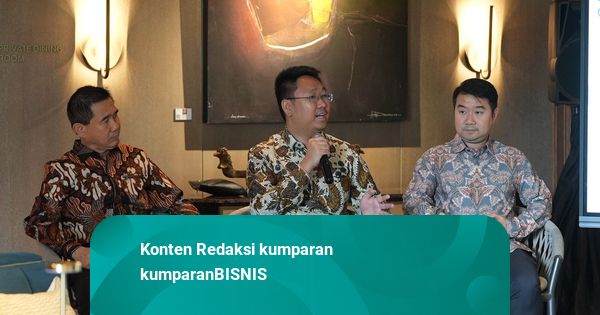
PT Dian Swastatika Sentosa Tbk (DSSA) plans to allocate an investment of Rp 30-Rp 35 trillion to develop seven geothermal locations over the next five years. This step is part of the company’s ambition to become a world-class geothermal player. “We have seven geothermal locations with a total installed capacity of 780 megawatts,” said DSSA’s Vice President Director, Lokita Prasetya, during a Media Gathering in Jakarta on Thursday (2/4). In detail, she explained that the seven locations are spread across three sites in West Java, one in Jambi, one in West Sumatra, one in Central Sulawesi, and one in East Nusa Tenggara (NTT). Meanwhile, DSSA Director Daniel Cahya emphasised that investments in this sector have a measured risk profile. The capital return schemes for DSSA’s geothermal projects have been protected using US dollar denominations, thus shielding the company from rupiah exchange rate fluctuations. On the market potential side, Daniel stated that Indonesia has opportunities on par with, or even surpassing, the Philippines, which is currently home to Energy Development Corporation (EDC), the world’s second-largest geothermal company. “We hope to develop these locations and collaborate on a much larger scale in the future,” he said. DSSA targets a position comparable to EDC on a global level. This ambition aligns with the government’s energy transition agenda, which is pushing for the phase-down of coal-fired steam power plants (PLTUs) and increasing the share of renewable energy in the national electricity mix. Geothermal is a strategic choice given Indonesia’s position in the Pacific Ring of Fire, rich in volcanic activity. Indonesia is estimated to hold around 40 percent of the world’s geothermal reserves, but only a small portion has been utilised so far. Focus on Long-Term Renewable Energy Development Management at DSSA emphasised that the energy sector remains the foundation of the company’s business, with a focus on efficient and sustainable operations. This strategy is realised through strengthening sustainable mining practices, from increasing energy efficiency to integrated environmental management. This step has been implemented through the acceleration of operational fleet electrification (EV fleets) at PT Borneo Indobara (BIB). This initiative not only cuts operational costs but also pioneers the transition to green mining in the mining sector. With the adoption of this technology, the company ensures operations remain relevant to future energy needs while actively reducing carbon emissions. DSSA is gradually strengthening its New Renewable Energy (EBT) portfolio, particularly in the geothermal and solar power sectors, to create a more balanced energy mix. This step is strategic given that Indonesia possesses around 40 percent of the global geothermal potential, which is the most reliable green baseload energy source in the long term. This commitment is realised through the operation of a 1 GW integrated solar panel factory in the Kendal Industrial Estate (KEK) and the development of geothermal projects through PT DSSR Daya Mas Sakti. With a total potential of 440 MW, the company is now accelerating exploration in several strategic areas—from Cisolok and Cipanas in West Java, to Sumatra, Flores, and Central Sulawesi. To strengthen technical and operational capabilities, DSSA has also forged strategic partnerships with PT FirstGen Geothermal Indonesia, a subsidiary of Energy Development Corporation (EDC). “Our approach is to maintain the reliability of current energy supply while gradually developing lower-emission energy sources as part of the company’s long-term strategy. In line with that, we are also continuously strengthening operational excellence through the implementation of greener, more efficient, and sustainable practices—from efficiency improvements, optimisation of energy and resource use, operational digitalisation, to measurable reductions in emissions and waste,” said Lokita Prasetya.