
Dry Season Predicted to Be Longer, These Things Need Attention
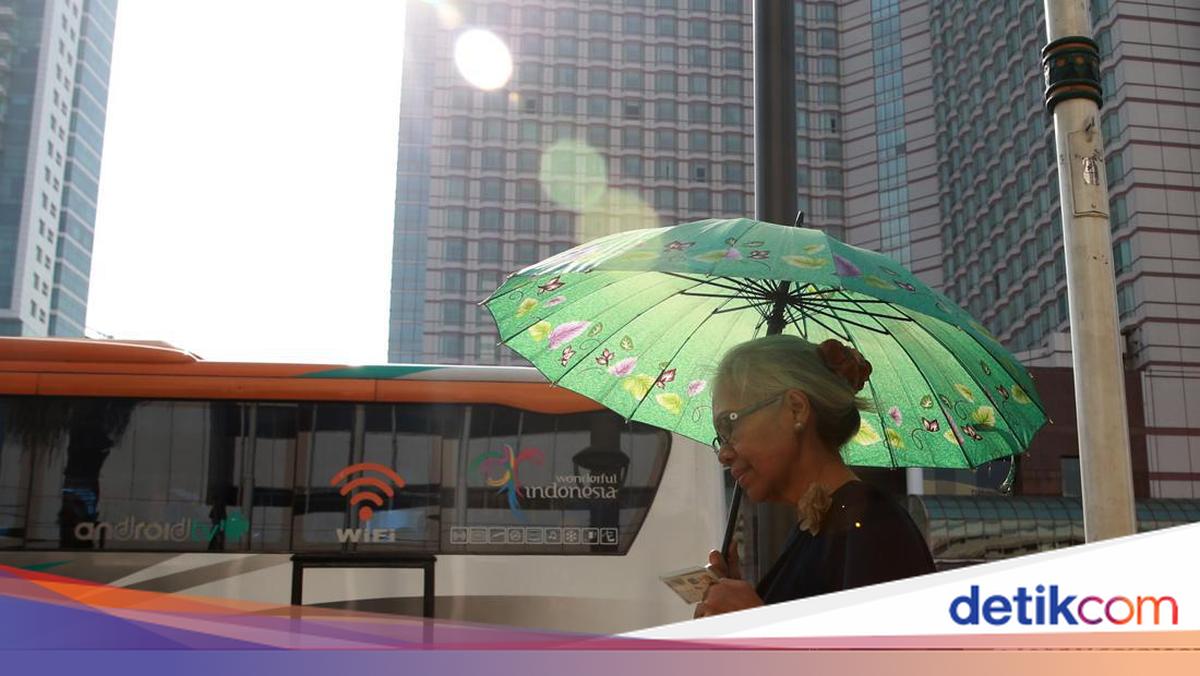
The Indonesian Meteorological, Climatological, and Geophysical Agency (BMKG) predicts that most regions will experience a drier and longer dry season than usual this year. The peak is estimated to occur in August 2026.
Quoting from the Instagram post of @infobmkg, the El Niño phenomenon is also predicted to affect Indonesia in the second half of this year. What is El Niño?
El Niño is a phenomenon involving the warming of sea surface temperatures in the central and eastern Pacific Ocean, which impacts global climate changes. In Indonesia, El Niño generally leads to reduced rainfall, making the dry season longer and drier.
As of the early April update, the El Niño predicted for the second half of 2026 is likely to occur with weak to moderate intensity. There is a small chance (<20%) that El Niño could reach strong intensity levels.
Here are things that can be done to face the dry season expected to be longer.
- Conserve Water Usage
Use water wisely and efficiently for daily needs.
- Harvest Rainwater
While rain is still falling, collect water in tanks or reservoirs for reserves during the peak dry season.
- Stop Land Burning
Do not clear land by burning. No matter how small the fire, it can become a major disaster in the dry season.
- Maintain Health
Use masks if dust pollution increases and ensure sufficient intake of plain water in extreme hot weather.
The government, through the Ministry of Forestry, is working with BMKG on various preventive measures. One of them is rewetting peatlands using Weather Modification Operations (OMC) technology.
This effort involves seeding clouds with certain materials to produce rain. The OMC aims to maintain peatland moisture, thereby reducing the potential for fires.
BMKG predicts that the dry season this year will arrive earlier in most parts of Indonesia. The dry peak is estimated to occur in August.
With a longer duration and less rainfall than normal, the public is urged to start anticipatory measures early, especially in drought-prone areas.