
Driving Home for Eid: Be Aware of Microsleep Dangers While Driving
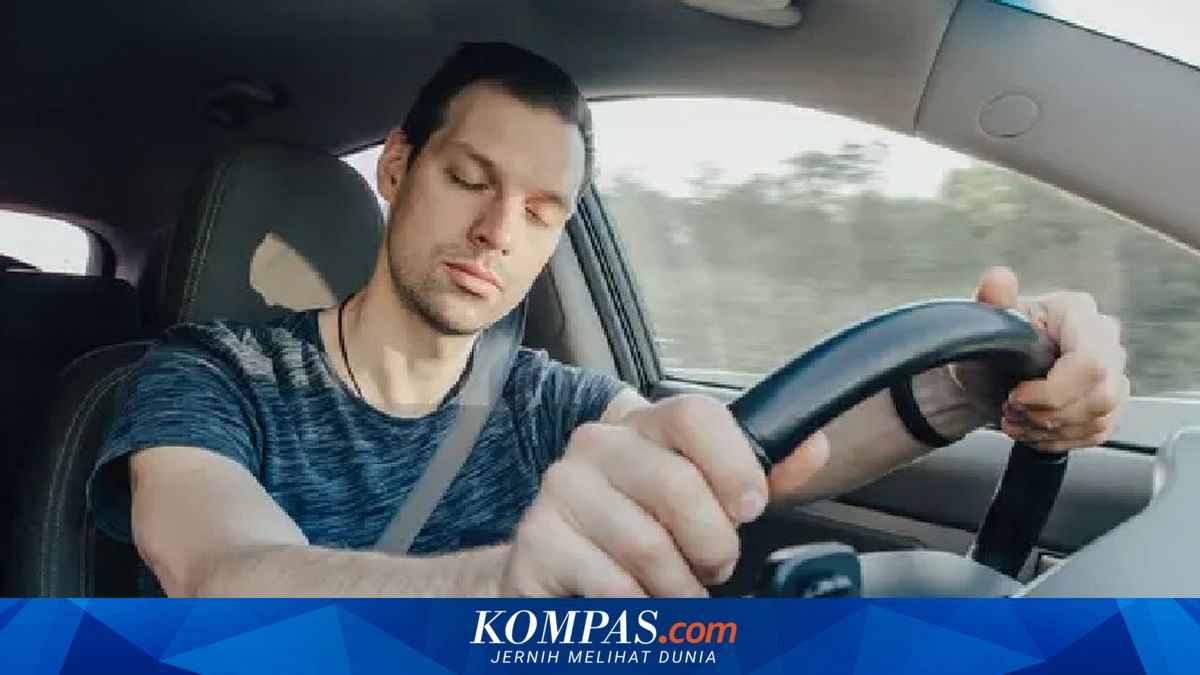
JAKARTA – Using a private car for long-distance travel, including during the Eid holiday exodus (mudik), offers several advantages. Travellers have more flexibility, can carry more belongings, and can stop whenever they wish during the journey.
However, long-distance driving requires thorough preparation, not only of the vehicle’s condition but also of the driver’s physical state.
Jakarta Defensive Driving Consulting’s Training Director, Jusri Pulubuhu, stated that microsleep can occur when a driver is engaged in monotonous or stagnant driving conditions.
“It can happen because of straight road stretches going on endlessly, moments of traffic congestion causing stop-and-go driving. All sorts of situations can trigger it. The solution is to keep the brain working continuously,” said Jusri to Kompas.com recently.
Bored drivers
According to Jusri, monotonous road conditions cause drivers to feel bored easily. In such situations, drivers typically only observe road conditions without truly reading the situation around them.
For example, when a driver sees pedestrians at the roadside. If the brain is working actively, the driver does not merely see them but immediately considers potential scenarios that could occur.
“For instance, when a driver sees a pedestrian. If the brain is stimulated to work actively, the driver does not just see the pedestrian but takes anticipatory measures in case they suddenly cross the road. That’s why, from the outset, the driver will slow down or sound the horn,” he said.
Therefore, drivers are advised not only to passively observe road conditions but also to read the situation around their vehicle.
If drivers merely observe without taking anticipatory action, then their brain is not stimulated to remain actively working.
Check mirrors regularly