
Driving Decarbonisation through Regional Fiscal Instruments
Achieving the target of reducing greenhouse gas (GHG) emissions towards Net Zero Emission (NZE) 2060 in Indonesia requires active contributions from regional governments. In the National Long-Term Development Plan (RPJMN) 2025–2029, Low Carbon Development (LCD) is positioned as one of the main pillars of national development. Approximately 90% of emission sources are under the authority of regional governments.
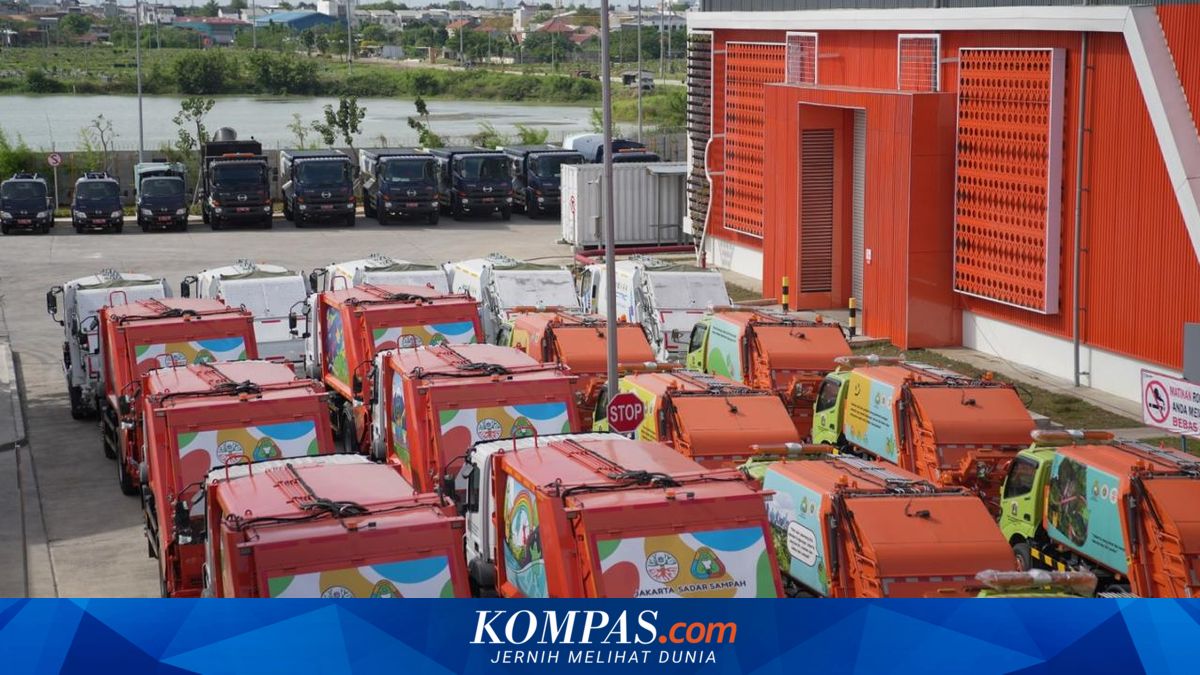
In the waste sector, the management of liquid and solid waste is largely the responsibility of regional governments at the district/city level. Similarly, in the energy sector, regional governments play a role in organising public transportation, both within and across districts/cities.
Thus, regional contributions are not merely complementary but a determining factor in the success of achieving national targets.
However, there are two real challenges that make the LCD agenda not yet optimally implemented through regular mechanisms.
First, LCD sectors are not included in the category of basic services that have Minimum Service Standards. As a result, LCD has not automatically become a priority in regional budgeting, unless designated as a priority programme by the regional head.
Second, regional fiscal space is increasingly limited. Transfers to Regions (TKD) in 2026 will experience a decline of Rp176.3 trillion or about 20.3% compared to the previous year.
Given that TKD is the main revenue source for most regional governments, this condition directly limits the ability of regions to fund LCD programmes.
To overcome these challenges, policy instruments are needed that not only channel funding but also direct regional development priorities.
Although experiencing a decline, TKD remains the main fiscal instrument that can be optimised.
For example, a number of policy alternatives developed within the framework of the Low Carbon Development Initiative (LCDI) and supported by the UK government as a development partner.
These policies demonstrate that appropriate fiscal transfer design can be an important instrument for encouraging behavioural changes in regional governments in planning and budgeting.
DAK, consisting of physical and non-physical DAK, is earmarked, allowing the central government to direct funding to priority sectors and activities, including LCD. Thus, regional governments have a specific funding source for LCD activities, in addition to other regular funding.
In the short term, LCD can be integrated into the six thematic DAKs in RPJMN 2025–2029 through a cross-cutting approach.
For example, waste management can be integrated into various development themes, such as integrated slum settlement handling, development of priority tourism destinations, or strengthening resilience to hydro-meteorological risks.
Through such integration, physical DAK for waste infrastructure and non-physical DAK for waste management can be expanded, both in coverage and location, while remaining within the established thematic corridors.
As a medium-term strategy, the government can place thematic LCD in RPJMN 2030-2034.
This strategy includes five stages: policy foundation and system design preparation (2025), planning and budgeting integration (2026), phased implementation and pilot regions (2027), incentive strengthening and national scaling (2028), and institutionalisation and evaluation (2029). By the end of 2029, LCD is expected to have become a permanent part of the DAK design in RPJMN 2030-2034.
Meanwhile, DIF functions as a performance-based incentive instrument that encourages regional governments to budget LCD activities by providing fiscal incentives to high-performing regions.
As an initial step, the DIF framework for thematic LCD on waste management can use three indicators: Waste Management Performance Index (IKPS), Land Quality Index (IKL), and greenhouse gas (GHG) emissions.
The waste management performance indicator is based on compliance and data completeness in the National Waste Management Information System (SIPSN), managed by the Ministry of Environment and Forestry/Environmental Control Agency at the district/city level.
To date, SIPSN is the most complete, up-to-date, and verified database, so it can be used by the Ministry of Environment and confirmed by Bappenas and the Ministry of Finance.
However, the effectiveness of this approach greatly depends on data quality and monitoring systems. Data limitations in regions, both in availability and accuracy, remain a major challenge. Without a strong emission inventory system, it is difficult to ensure that reported achievements truly reflect emission reductions.
Furthermore, IKL assessment is based on data managed by the Ministry of Environment through the Geospatial Information System (SIGAP) and National Forest Monitoring System (SIMONTANA). However, the available data is not yet fully complete and still requires clustering mechanisms based on regions and authorities.
The emission reduction indicator assessment is based on data in the National GHG Inventory System (SIGN-SMART), managed by the Ministry of Environment. Like IKL, data quality still needs improvement, especially regarding sufficiency and reliability of regional data.
Considering the readiness of these three indicators, the Ministry of Environment, Bappenas, and the Ministry of Finance can start with the waste management performance indicator while strengthening the others.
Ultimately, achieving LCD targets greatly depends on the active contribution of regional governments in consistent implementation. Strengthening fiscal instruments, particularly through DAK and DIF, is important to bridge implementation needs at the regional level with national policy directions.