
DRC Ebola Outbreak Claims 246 Lives as Crisis Deepens
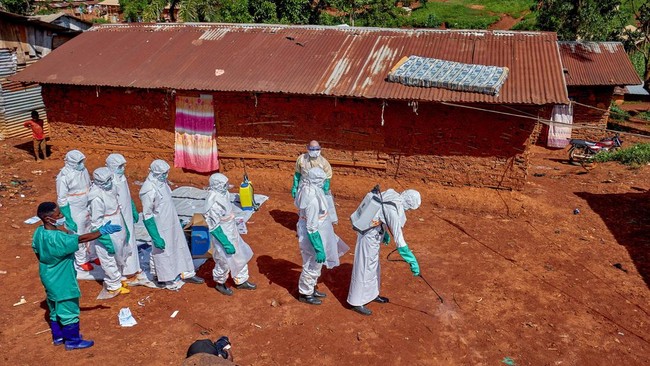
Ebola is spreading rapidly in the Democratic Republic of Congo, with Médecins Sans Frontières (MSF) warning the situation is now extremely worrying. MSF Deputy Director Dr Alan Gonzales stated the spread is worse than before, made two weeks after the outbreak was declared. The severity is reflected in the high number of cases recorded in a short time. “Two weeks after the Ebola outbreak was declared in Ituri province, the situation is extremely worrying,” Gonzalez said, quoting BBC International, reported on Sunday (31/5/2026). The statement was made as World Health Organization (WHO) Director-General Dr Tedros Adhanom Ghebreyesus visited Ituri province in eastern DRC, the worst-affected area. There are currently over 1,000 suspected Ebola cases, with at least 246 deaths. The outbreak has spread to neighbouring Uganda, which has reported nine confirmed cases and one death. “This is the first time an Ebola outbreak has recorded such a high number of cases so quickly after being declared,” he said. He stressed that his team on the ground is witnessing a response unable to keep pace with the rapid spread of the epidemic. “The reality is that no one knows the true scale and severity of the outbreak. New suspected cases are reported daily, but hundreds of samples remain untested,” he added. Gonzalez added that containment efforts and humanitarian aid delivery are delayed due to obstacles including border and airport closures. The WHO has repeatedly warned that ongoing conflicts in the DRC are severely hampering Ebola response efforts. Meanwhile, WHO Director-General Dr Tedros Adhanom Ghebreyesus said he and his team are there to assess response conditions and challenges. He urged communities at the outbreak’s epicentre to play a larger role in fighting the disease, as they better understand the issues and potential solutions. On the other hand, Tedros acknowledged the importance of respecting the deceased in funeral rites but warned that current practices are dangerous. “Certain practices, such as touching Ebola victims’ bodies, can spread the virus further. While we mourn those we have lost, we must do everything possible to prevent further deaths and avoid a cycle of grief,” he said. In Bunia, daily life appears largely unchanged. People continue their activities, trade, and normal routines. At the city’s airport, passengers are directed to handwashing stations where they must wash hands with soap and water. Public health notices are displayed around the airport, with information broadcast via radio and television in local languages and French, the DRC’s official language. One of the WHO chief’s first stops was the National Institute of Biomedical Research laboratory in Bunia, where suspected Ebola samples are tested. Local health officials said the facility can now provide results within 24 hours, helping doctors quickly identify infections and start treatment. Handling challenges are compounded by samples needing to be transported over 1,500km (932 miles) to the capital, Kinshasa, risking virus transmission to staff and further spread. In separate developments, Brazilian health officials are investigating a suspected Ebola case in the state of São Paulo. Brazilian media reported a 37-year-old man who recently returned from the DRC is in isolation at an infectious disease facility. The current outbreak, caused by the rare Bundibugyo strain of Ebola, has no proven effective vaccine and kills about a third of those infected. Ebola typically infects animals, particularly fruit bats, but human outbreaks often begin when people consume or handle infected animals. Ebola spreads through direct contact with infected bodily fluids, including blood, vomit, diarrhoea, saliva, urine, semen, and sweat. It can also be transmitted via contaminated objects such as syringes, bedding, or clothing.