
DPR Speaker reminds civil servants to maintain public service productivity during WFH
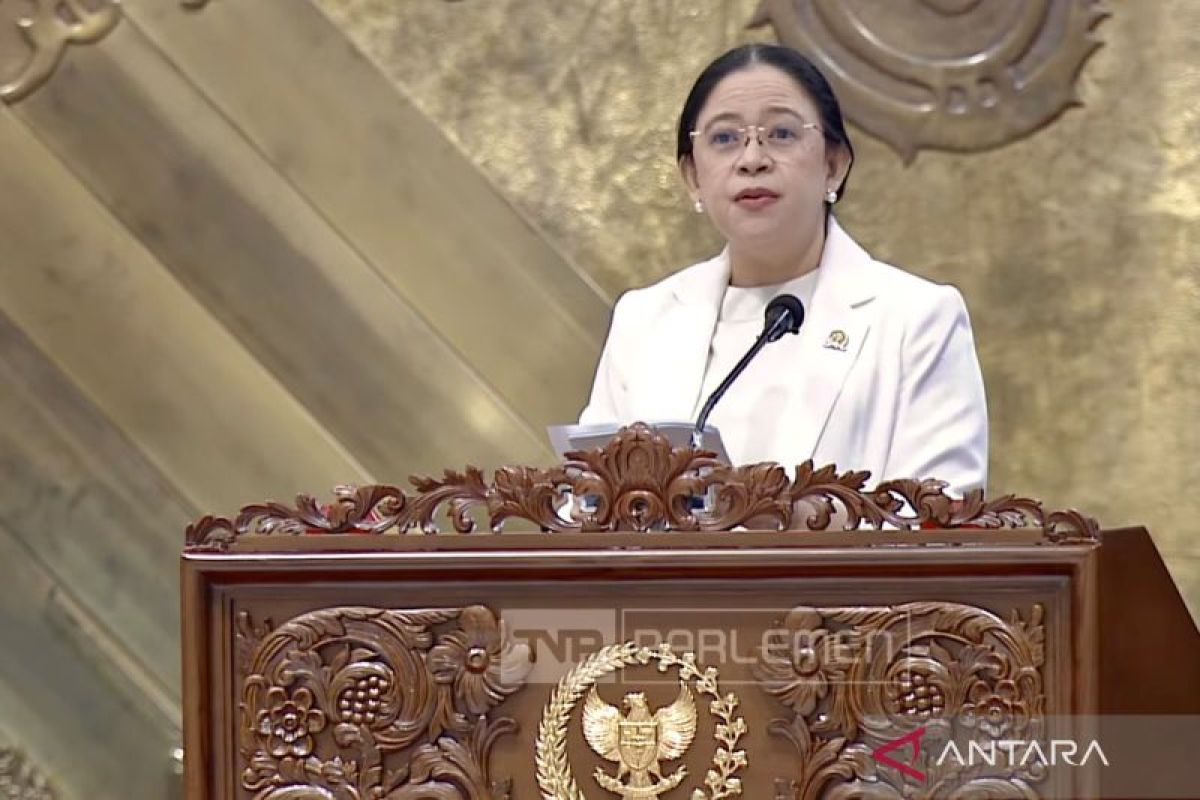
Jakarta (ANTARA) - DPR RI Speaker Puan Maharani has reminded that the policy of working from home (WFH) every Friday for civil servants, in response to the dynamics of global energy conditions, must be implemented while maintaining public service productivity.
“WFH for civil servants is not merely about flexibility, but about whether the state continues to function when offices are not fully staffed. The flexibility of civil servants’ work will be assessed by whether the state still serves the people promptly,” Puan said in a statement received in Jakarta on Thursday.
The DPR supports the government’s efforts towards effectiveness and adaptability. Nevertheless, Puan stated that it is a shared concern that public services must continue to run as they should.
According to her, the public does not care where civil servants work, but evaluates whether documents are still completed on time, administrative services remain responsive, and state decisions are still present without additional delays.
“Public trust is built not by changes in regulations, but by whether the public still feels the state is working at the same rhythm,” she said.
Puan stated that the WFH policy for civil servants can be part of bureaucratic modernisation if it truly drives a shift in orientation from physical presence to measurable performance.
“In that context, the success of this policy depends on each agency’s ability to ensure that services directly touching the people do not experience slowdowns, especially in units that deal with public administration daily,” she said.
This policy is said to convey the message that modern bureaucracy is not determined by the number of employees in the office, but by the system’s ability to maintain consistent work results in all forms of work systems.
“Bureaucratic flexibility will gain public legitimacy when changes in work patterns make the state appear more adaptive without losing accuracy in serving the community,” she said.
In addition, she highlighted the importance of implementation standards in the WFH policy for civil servants. In this regard, effective supervision is considered necessary to ensure that civil servants remain productive in carrying out their duties even when not working from the office.
“This policy also cannot be allowed to run merely as an administrative policy without clear evaluation indicators. There must be periodic evaluations to ensure whether the WFH model one day a week for civil servants is running effectively,” Puan said.
Previously, the government officially implemented the work-from-home or WFH policy for civil servants every Friday. The government also issued recommendations for WFH in the private sector.
Coordinating Minister for the Economy Airlangga Hartarto, in a press conference in Jakarta on Tuesday (31/3), said the policy would apply starting from 1 April 2026 and would be evaluated after two months of implementation.