
DPR promotes "dupe culture" as an opportunity to strengthen local brands
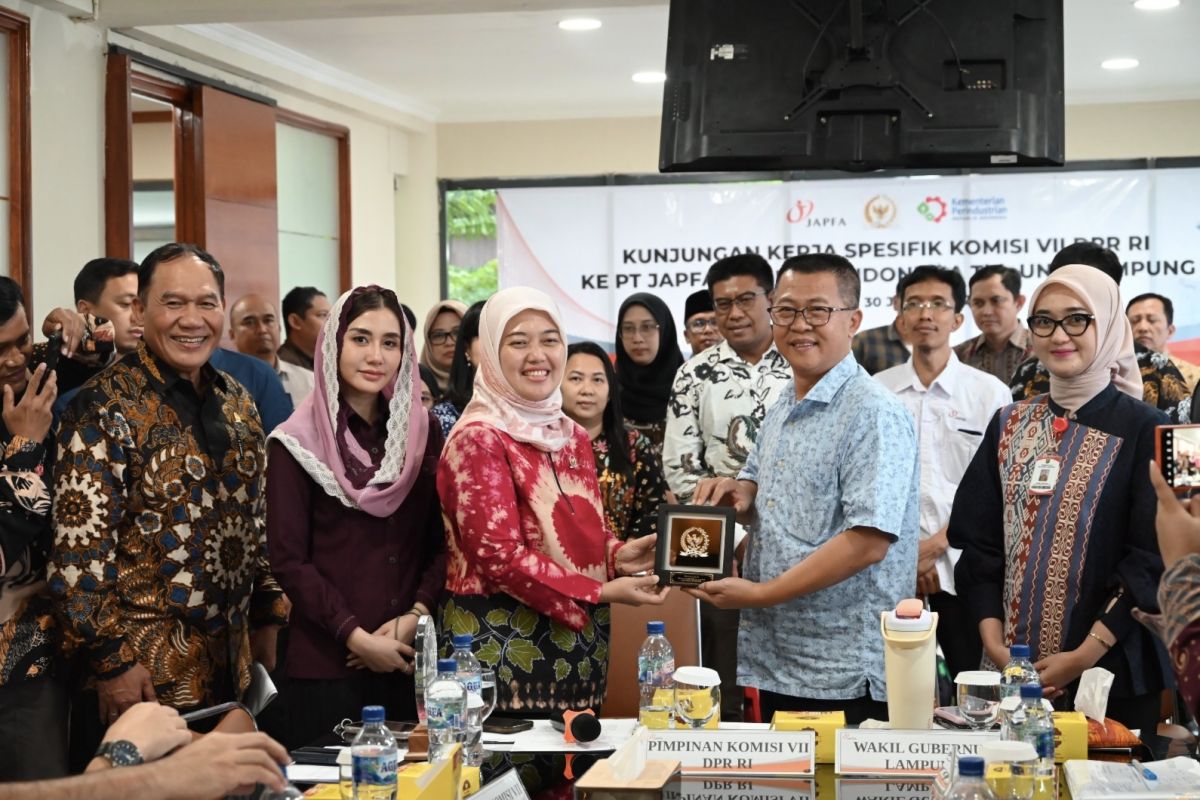
Jakarta (ANTARA) - Deputy Chair of Commission VII of the Indonesian House of Representatives, Chusnunia Chalim, believes that the dupe culture trend among the younger generation can be leveraged as an opportunity to promote the growth of local brands and the national industry. She stated that the phenomenon of dupe products—items with similar functions to premium products but at more affordable prices—is increasingly popular among Gen Z and millennials, influenced by social media and changing consumption patterns. “The phenomenon of buying dupe items is now seen as smart rather than forcing oneself to buy branded goods, reflecting a more selective consumer mindset focused on functional value,” she said in her statement in Jakarta on Monday. According to her, this tendency can serve as an entry point for local businesses to offer competitive creative products without illegally copying other brands’ identities. “It is important to differentiate between counterfeit goods and KW items; dupe products essentially do not use the original brand’s logo or branding, though we encourage a paradigm of designer-inspired (inspired by designers’ works),” she explained. Chusnunia emphasised that the observe, imitate, modify approach is a common practice in industrial learning processes, as long as it results in new innovations rather than mere plagiarism. “In the business world, the observe, imitate, modify practice is commonly done as a form of industrial learning. As long as the process produces new innovations, not just plagiarism,” she said. She cited countries like China and South Korea, which in their early industrialisation stages adapted foreign products before developing their own global innovations and brands. Furthermore, she urged that this phenomenon be directed towards strengthening the domestic creative industry ecosystem, including the fashion and beauty sectors, through improved product quality and competitiveness. “The imitation culture among our Gen Z can encourage local brands’ creativity to innovate and propel local brands to grow into global brands today,” she added. In addition, the growth of local brands is seen as having a multiplier effect on the national industry, including the provision of raw materials and more efficient production chains. “If this dupe culture stimulates the growth of our local brands, we are confident it will also impact the national industry’s growth in producing affordable raw materials,” she concluded.