
DPR Members Push for Strengthened Digital Literacy Following Social Media Restrictions
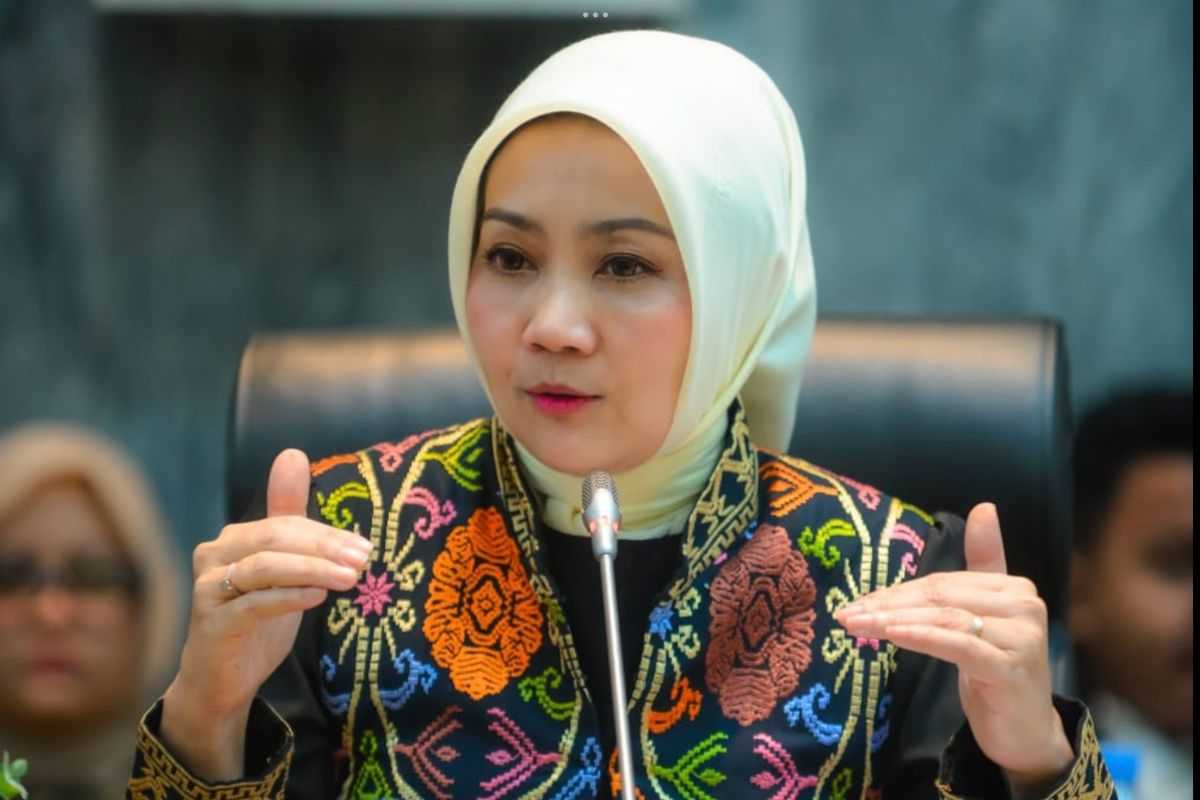
Jakarta — A member of Commission VIII of the Indonesian House of Representatives, Atalia Praratya, has called on the government to strengthen national digital literacy following the implementation of social media access restrictions for children under 16 years of age.
“Excessive digital exposure at too young an age can impact children’s mental health, sleep patterns, concentration ability, and even their social relationships. For this reason, the state must ensure that the digital space remains safe for them,” Atalia said in Jakarta on Monday.
The government has announced plans to progressively enforce the removal of child accounts across various social media platforms, including YouTube, TikTok, Facebook, Instagram, Threads, X (Twitter), Bigo Live, and Roblox, beginning on 28 March 2026. This initiative is regulated under the Ministry of Communication and Digital Affairs Regulation Number 9 of 2026, which implements the Electronic System Administration Governance in Child Protection (PP TUNAS).
Atalia noted that the restriction policy aligns with a global trend, with several countries, including France, Australia, and the United States, beginning to tighten social media access for children to protect their mental health and digital security.
She cited UNICEF data indicating that more than 70 per cent of school-age children are now exposed to the internet from an early age. Meanwhile, research by Common Sense Media shows that children aged 8–12 years spend an average of approximately five hours per day in front of digital screens.
However, Atalia stressed that regulation alone is insufficient without support from families and educational institutions. She emphasised that parents and teachers remain crucial in guiding children through the digital world. Therefore, digital literacy education must be strengthened from an early age so that children can use technology responsibly once they reach an appropriate age.
“The purpose of this policy is not to ban technology, but to ensure our children are mentally, intellectually, and socially prepared before fully entering the complex digital world,” she stated.
She advocated for several strategies to ensure the policy’s effective implementation, including strengthening digital literacy among parents, teachers, and students to enable them to understand the risks and benefits of technology.
Atalia proposed the gradual development of artificial intelligence curriculum so that learners can familiarise themselves with the technology in an educational and responsible manner at the appropriate age.