
DPR Members' Pension Funds Conditionally Unconstitutional, According to Constitutional Court
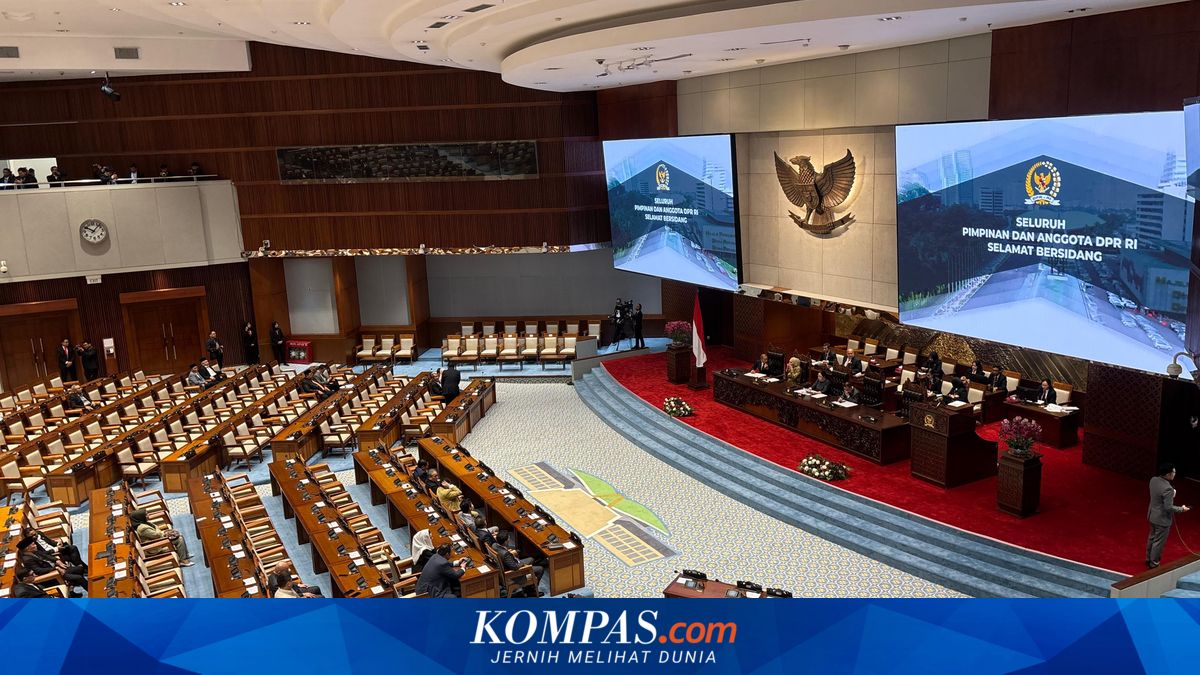
Jakarta — Indonesia’s Constitutional Court (MK) has declared Law No. 12 of 1980, which regulates pension and financial benefits for DPR leadership and members, conditionally unconstitutional with respect to the 1945 Constitution.
The ruling was delivered by Constitutional Court Chief Justice Suhartoyo during the reading of petition No. 191/PUU-XXIII/2025 on Monday, 16 March 2026. The court has ordered the legislature, specifically the government and DPR, to enact new legislation concerning the financial rights of senior state officials and former heads of high state institutions within a two-year timeframe.
“We declare Law No. 12 of 1980 on Financial and Administrative Rights of Leaders and Members of State Institutions and Former Leaders and Members of High State Institutions to be in conflict with the 1945 Constitution and to lack binding legal force conditionally, provided that it is not replaced with new legislation within a maximum of two years from the date this ruling is issued,” stated Chief Justice Suhartoyo during the plenary session held at the Constitutional Court’s Assembly Hall.
The court has made a firm demand that the DPR and government enact new legislation. Should they fail to do so, the consequence will be that DPR pension rights will no longer have legal force.
“We order the legislature to make the replacement within a maximum of two years from the date this ruling is issued,” Suhartoyo added.
This ruling responds to public pressure for the elimination of various lucrative allowances for DPR members. According to the financial rights provisions distributed to journalists, pension payments for DPR members are regulated under Articles 12(1) and 13(3) of Law No. 12 of 1980.
Under the current law, pension amounts range from a minimum of 6 per cent to a maximum of 75 per cent of the pension base. According to Government Regulation No. 75 of 2000, DPR member pensions are distributed based on their tenure as legislators.