
DPR Member Welcomes Domestic Workers Protection Bill Officially Becoming Law, Highlights Key Points
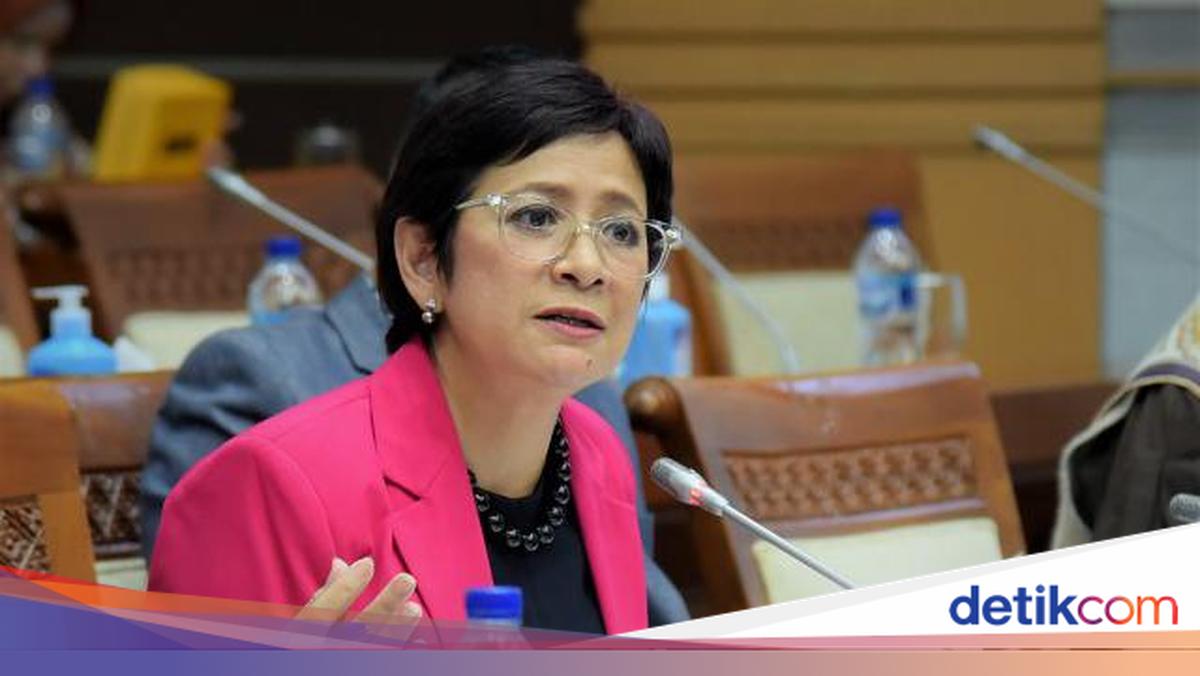
Golkar faction member of the DPR, Nurul Arifin, views the Domestic Workers Protection Bill (RUU PPRT) as a concrete step by the state to protect women. Nurul stated that the RUU PPRT is an effort to support women as a vulnerable group. “I view the presence of the RUU PPRT as a concrete step by the state in translating the spirit of Raden Ajeng Kartini into policies that favour vulnerable women’s groups, especially domestic workers,” said Nurul Arifin in his statement on Tuesday (21/4/2026). The Golkar Party politician highlighted the long process before the RUU PPRT was passed. According to him, the approval demonstrates the DPR’s commitment to delivering justice for domestic workers (PRT). “I welcome the struggle that has been ongoing since four periods ago. This shows the collective commitment of the DPR and all stakeholders to deliver justice for domestic workers,” he said. The RUU PPRT, which was approved and became law today, contains several crucial points, one of which is the prohibition on Domestic Worker Placement Companies (P3RT) from deducting workers’ wages. In addition, placement companies are required to have legal entity status and official permits from the central government. This regulation also guarantees domestic workers’ rights to health and employment social security. Nurul described this substance as an important milestone in eradicating exploitative practices that have long plagued domestic workers, the majority of whom are women. “If we talk about empowered women, they must have certainty of rights, including intact wages and social protection. There should no longer be practices of wage deductions or placements that harm them,” he emphasised. He stated that the approval of the RUU PPRT also strengthens the main message of Kartini Day 2026 with the theme ‘Empowered Women, Protected Children, towards Golden Indonesia 2045’. According to him, protection for domestic workers directly impacts family welfare. “Many domestic workers are mothers. When they are protected economically and legally, their children are also protected. This is a very important chain effect,” he said.