
DPR member urges state schools to release withheld diplomas
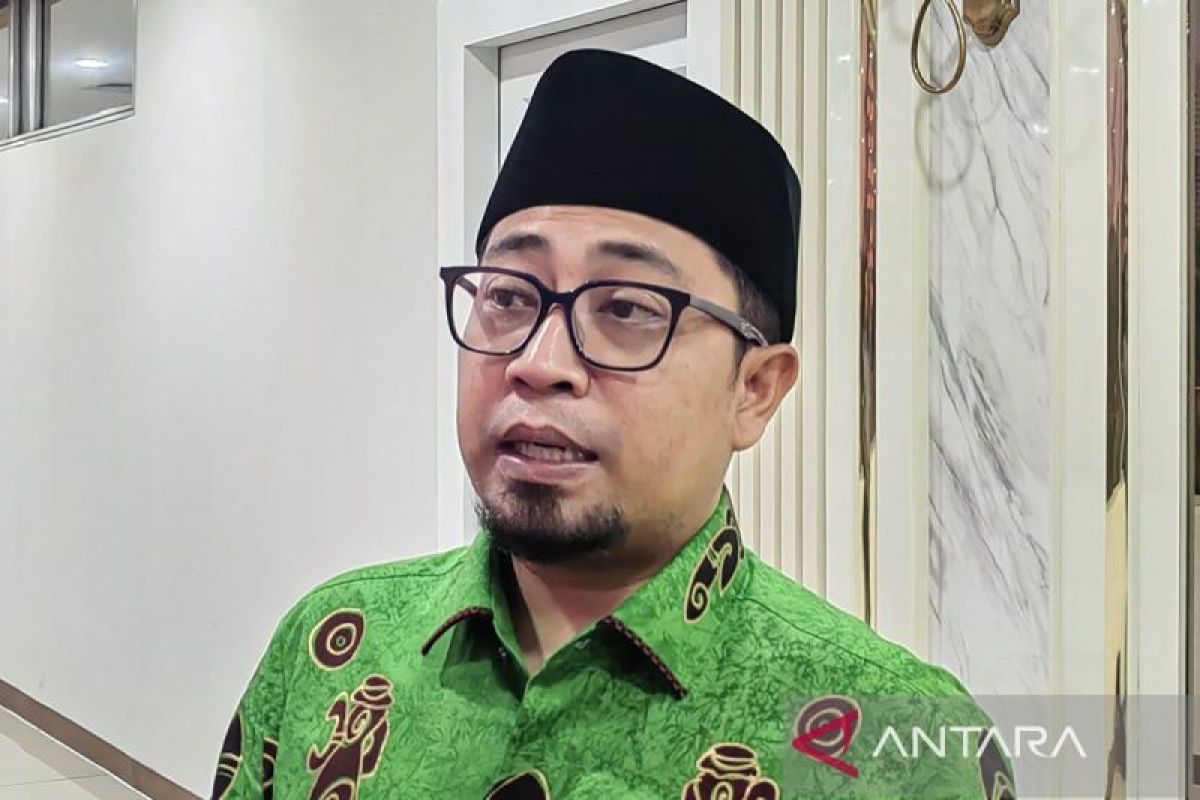
Jakarta (ANTARA) - A member of the Indonesian House of Representatives Commission II, Muhammad Khozin, has urged regional administrations to take action by data-collecting and verifying Ombudsman Republic of Indonesia (ORI) findings regarding thousands of diplomas still held in state schools. ‘Every regional government needs to collect data and verify about the diplomas stored in schools. Also take a proactive approach by reaching out to alumni so that diplomas still held by schools can be issued promptly,’ Khozin said in a statement in Jakarta on Friday.
Khozin stressed that public service in the region should guarantee the public’s needs, particularly with regard to the fulfilment of administrative rights such as diplomas that are commonly used as a job prerequisite. He noted that the Ombudsman findings of numerous diplomas being withheld at schools indicate weak public service standards in the regional education sector. ‘Especially in ensuring the administrative rights of citizens quickly, transparently, and accountably. Withholding diplomas is, in effect, delaying the future of our young generation,’ he said.
As information, the Ombudsman RI Representative for Riau Province found 11,856 diplomas not yet collected by alumni, comprising 5,635 SMA Negeri diplomas and 6,221 SMK Negeri diplomas. The finding results from a supervisory study into the administration of public services related to the governance of issuing diplomas in state schools. The study was conducted as part of efforts to prevent mala-administration in the public education service sector. The figure is based on data collected from April to October 2025, with the study focusing on diplomas issued before the 2024/2025 academic year.
Although there are some technical reasons why alumni have not collected their diplomas, the Ombudsman also noted a perception among the public that schools withhold diplomas due to outstanding historical fees. Khozin reminded that state schools should not withhold a student’s diploma under existing regulations. ‘This issue cannot be confined only to the schools’ internal policy, because schools are part of the public service system that must adhere to principles of service to the public.’
Beyond Riau, the phenomenon of withheld SMA/SMK diplomas has also been found in Bangka Belitung in recent times. The phenomenon also occurs frequently in private schools due to demands for settlement of overdue fees. ‘I believe such problems also occur in various regions, not only in Riau or Bangka Belitung. Graduates urgently need their diplomas to work or continue their studies,’ Khozin said.
Khozin views the large-scale withholding of diplomas as indicating problems with administrative governance that have not been tackled systematically by regional governments. ‘When fundamental educational documents for citizens can be delayed for years, it shows that the public service oversight mechanism is not effectively detecting and resolving issues early,’ he said.
Khozin also emphasised the importance of clear standard operating procedures for regional educational administrative services. There has long been variation in practices between schools and regional governments regarding handling students’ academic documents, which ultimately creates uncertainty in public service. ‘This condition shows that educational decentralisation has not yet been fully accompanied by strengthened uniform and measurable public service standards,’ he stated.
Therefore, the Commission member responsible for governance urged the Ministry of Home Affairs together with regional governments to conduct an evaluation. ‘There are several aspects that require reform,’ Khozin said. ‘A comprehensive evaluation of governance of administrative education services must be carried out, including strengthening supervisory systems and more responsive public complaint mechanisms.’
Further, Khozin urged regional governments to promptly take steps to resolve the diplomas still held in schools as recommended by the Ombudsman, noting that this concerns public service relating to fundamental citizen rights. He also argued that public service quality should be measured not only by the success of large-scale regional programmes, but also by the state’s ability in the regions to ensure citizens’ administrative rights can be accessed without protracted bureaucracy. ‘Resolving the issue of diplomas withheld in state schools should become a momentum for wider reform of the governance of public education services, orientated towards citizens’ rights,’ he concluded.