
DPR Member Highlights Potential Dangers of Photocopying e-KTP: Risk of Misuse
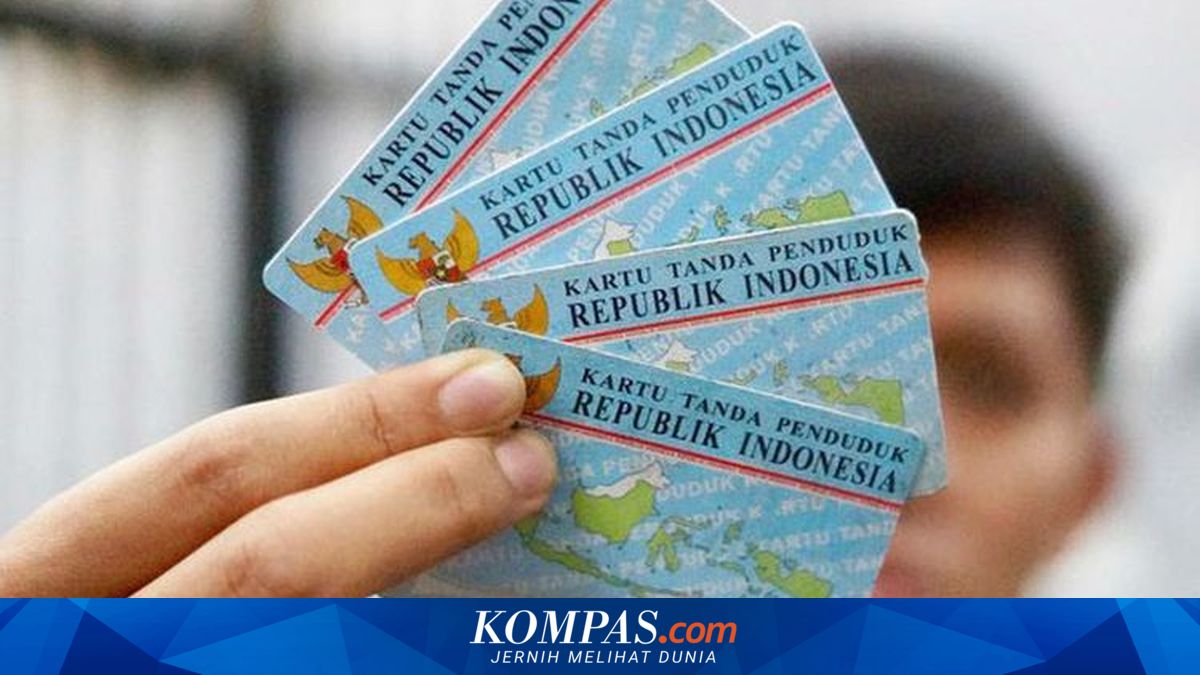
JAKARTA, KOMPAS.com - Member of Commission II of the House of Representatives, Ali Ahmad, has highlighted the potential for data misuse through the ongoing practice of photocopying electronic resident identity cards or e-KTP.
According to him, photocopies of e-KTP are vulnerable to exploitation by irresponsible parties for digital crimes.
“Photocopies of ID cards that are distributed pose a significant risk; they can be misused for registering illegal online loans (pinjol), online gambling, and even opening fictitious bank accounts. Digitalisation is the key to closing these loopholes for crime,” said Ali in his statement on Tuesday (12/5/2026).
Ali emphasised that the habit of photocopying e-KTP is no longer relevant and instead increases the risk of personal data leaks for the public.
“If e-KTP already has a chip, there should be no more drama with repeated photocopying. When the public is still burdened with physical requirements, it means our digital verification system is not yet integrated. This must be accelerated for the convenience of citizens as well as data protection,” said Ali.
Therefore, he urged the government to accelerate the digitalisation of population services to reduce requirements for using e-KTP photocopies.
“Digitalisation should not just be a slogan on paper. It must be truly implemented in services that are safe, practical, and do not burden the people. We must move towards a single valid and protected data system,” said Ali.
“The e-KTP is already equipped with advanced technology, a chip. That chip contains the data. In reality, the e-KTP no longer needs to be photocopied,” said Teguh in Depok, West Java, on Wednesday (6/5/2026).
The act of photocopying e-KTP constitutes a violation of personal data protection (PDP). He revealed that e-KTP can be read using a special device in the form of a card reader.
“I urge institutions that use it, whether hotels—for example, when checking into a hotel, you’re still asked for a photocopy, right? Why don’t hotels use card readers, for instance? Why hospitals? Why various offices also don’t (use them)? Use card readers, use reading devices,” emphasised Teguh.
Personal data, according to Article 1 paragraph (1) of Law Number 27 of 2022 on Personal Data Protection (PDP), is data about an individual that is identified or can be identified individually or in combination with other information, either directly or indirectly, through electronic or non-electronic systems.
Furthermore, Articles 65 paragraphs (1), (2), and (3) of the PDP Law regulate prohibitions on the use of personal data that is not one’s own. The wording of these three articles is as follows: