
DPR Member: Global Conflict Impacts Drive Anticipatory Measures for National Industry
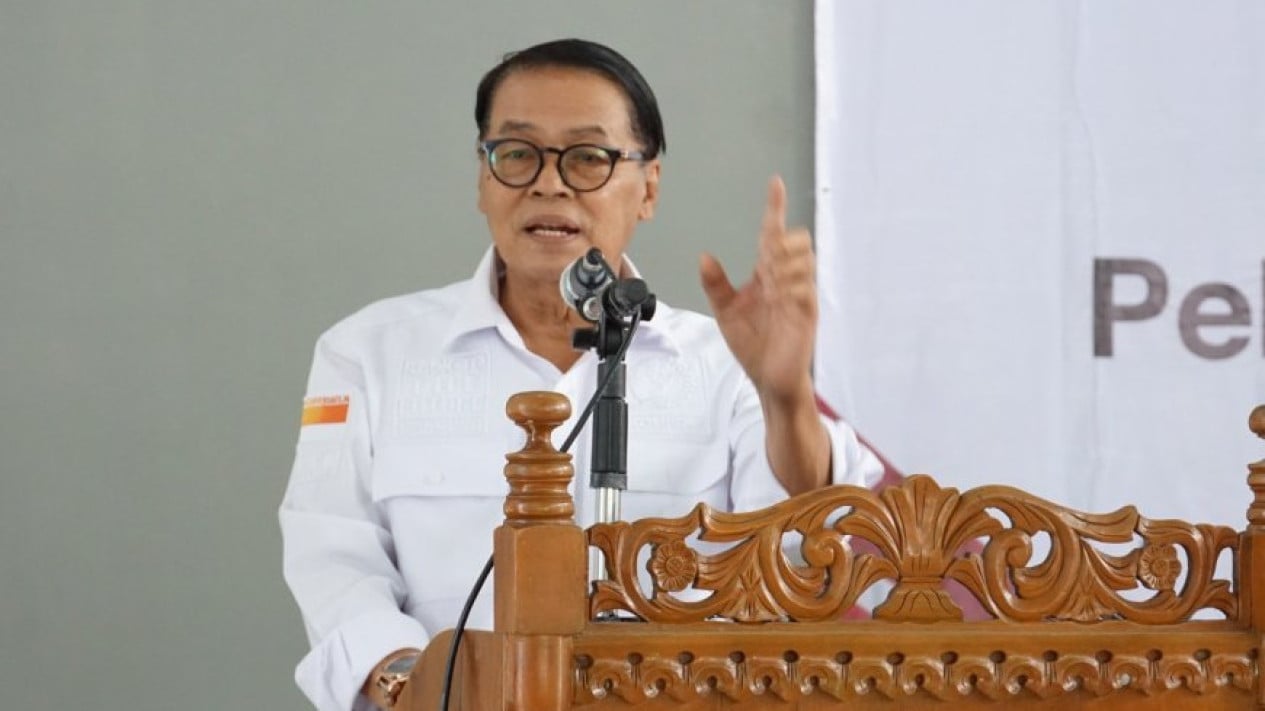
Jakarta – Gandung Pardiman, a member of Commission VII of the Indonesian House of Representatives, has urged the government to take anticipatory steps in response to the escalating geopolitical conflict between Iran, Israel, and the United States. According to him, this conflict raises significant concerns regarding global economic stability, particularly in the energy sector, international logistics, and the raw material supply chains vital to Indonesia’s domestic industries.
Pardiman believes that the conflict in the Middle East could trigger increases in global energy prices, disrupt international trading routes, and raise logistics costs for raw materials.
“The conflict in the Middle East region can trigger volatility in global energy prices, disruptions to international trading routes, and increases in logistics costs and industrial raw materials. Ultimately, this condition can affect the competitiveness of the manufacturing industry across various countries, including Indonesia. This is not something to take lightly if escalation continues to increase,” he stated in written remarks on Thursday, 12 March 2026.
Furthermore, he assessed that the Strait of Hormuz represents a vital pathway for global oil trade. He continued that closure of the Strait of Hormuz could result in increases to international energy prices.
“The Strait of Hormuz is a vital route for global oil trade. Approximately one-fifth of global oil supplies pass through this route, so any disruption in that region can trigger spikes in international energy prices,” he concluded.
If global energy prices rise, Pardiman believes Indonesia’s manufacturing industry will be severely affected. This is because most industrial sectors rely on energy as a major component of production costs.
“Industries such as petrochemicals, base metals, cement, fertiliser, and various other processing industry subsectors are highly sensitive to fluctuations in energy prices,” he said.
The politician from Golkar Party believes the government must treat this matter with seriousness. Given, he continued, the uncertain development of the geopolitical situation could cause Indonesia’s manufacturing industry exports to become unstable.
“We must consider strategic steps together with the Government in addressing this matter. Given the development of the global geopolitical situation, the export performance of Indonesia’s manufacturing industry is certainly heavily influenced by global economic stability and international market demand,” said Gandung Pardiman.