
DPR Member: Andrie Yunus Case Represents Attack on Human Rights Struggle
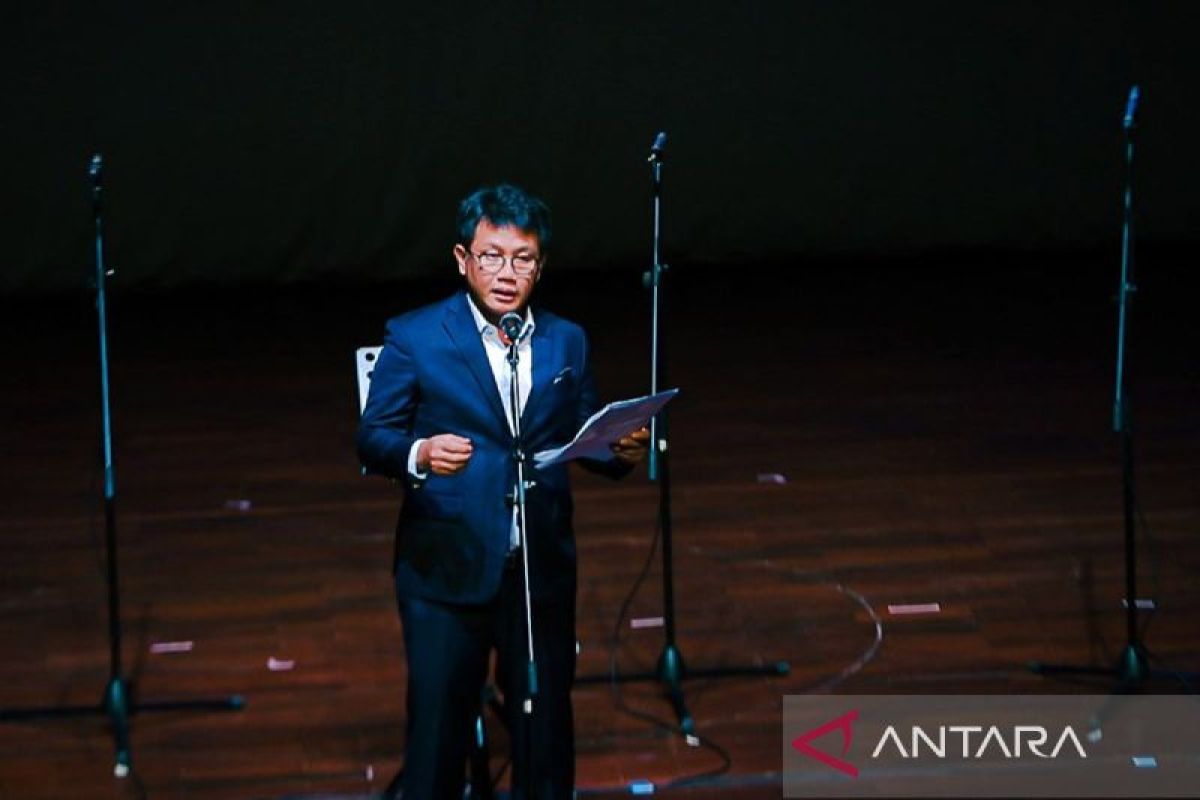
Jakarta — A member of the Indonesian House of Representatives, Bonnie Triyana, has stated that the acid attack against KontraS activist Andrie Yunus represents an attack on the long history of the struggle for human rights in Indonesia.
As a child of the nation who was born and grew up during the authoritarian regime, she expressed her unwillingness to see the nation regress to a dark period when activists were abducted, tortured, and forcibly disappeared simply for daring to speak out.
“The acid attack against KontraS activist Andrie Yunus is not merely an ordinary criminal act,” Bonnie stated in a statement in Jakarta on Friday.
She strongly condemned the barbaric act of violence that violated humanitarian principles. She cautioned that acts of terror intended to silence critical voices would only provoke stronger waves of criticism.
“History demonstrates that violence against activists has never succeeded in suppressing freedom of expression; rather, civil society movements have always risen stronger each time they face terror,” she said.
The attack, she noted, recalled a dark chapter in Indonesian history of violence against activists, ranging from the abductions of 1997-1998, the murder of Marsinah (1993), Munir (2004), and acid attacks against labour activists in the 1990s, many of which remain unresolved.
“These dirty practices of the past must not be repeated in the reform era,” she said.
To this end, she urged police to promptly apprehend the perpetrators and uncover the intellectual architects behind the attack down to their roots. The perpetrators of terror must be brought to justice fairly and cannot be allowed to live freely.
If apprehended, she maintained that the perpetrators should be charged with multiple charges, including attempted premeditated murder with a maximum prison sentence. The violent act nearly cost the victim’s life and caused burns covering 24 per cent of the body.
The state, through law enforcement, she said, has a moral and constitutional responsibility to ensure that cases of violence against activists do not end in impunity, as has frequently occurred in the past.
“The victim deserves maximum protection, particularly given their work in human rights advocacy and freedom of expression,” she said.
She also encouraged civil society, activists, academics, media practitioners, and all elements of democracy to work together to ensure the case reaches completion. The National Human Rights Commission must intervene to conduct an independent investigation to provide external oversight of the legal process.