
DPR Gives Go-Ahead for Purbaya to Implement New Tobacco Excise Layer; Could Illegal Cigarettes Be Wiped Out?
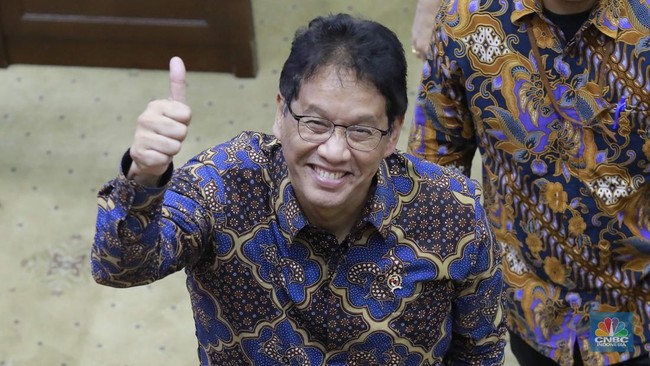
Jakarta, CNBC Indonesia — Indonesian Finance Minister Purbaya Yudhi Sadewa says he has obtained the go-ahead from the DPR to implement a new layer of tobacco excise (CHT), aimed at coaxing illegal cigarette manufacturers to enter the legal market.
He said he had held a meeting with the DPR to discuss the introduction of the new CHT layer. However, he did not specify when or where the meeting took place.
‘It’s with the DPR now; they’ve agreed,’ Purbaya said in his Jakarta office, quoted on Wednesday (20 May 2026).
According to Purbaya, the implementation now only requires finalising the draft of a ministerial regulation (PMK). In addition, he still needs to report to President Prabowo Subianto for details of the policy, including the tariff rates.
‘The PMK will come first, then I will have to report to the president as well,’ Purbaya insisted.
Separately contacted, Harris Turino, a member of Commission XI of the DPR, said he has not yet received detailed explanations regarding the design of the new layer that the government is proposing.
‘We don’t even know what the new layer will look like to accommodate illegal cigarettes,’ Harris said.
Apart from that, he believes the government’s plan to implement a new CHT layer with a lower tariff to push illegal cigarette makers to become legal has good intentions for boosting government revenue. Provided the government can close the moral hazard loophole.
He says the moral hazard would lie in the practice of buying and selling the latest tobacco excise stamps among small cigarette producers, not with the large-scale producers that have operated for years with their respective tariff layers.
‘That idea might raise revenue from CHT, but we must recognise the moral hazard. There are many illegal cigarettes, with small capacities. For example, if their capacity is 100, they buy excise stamps for 600, and 500 are sold again. To whom? To the small producers above. It would actually reduce tax revenue,’ he said.
The potential practice of selling cheap excise stamps among small producers would, according to Harris, pose a challenge for the government in future. Therefore, he argues that such moral hazard must be thoroughly considered before the government sets an additional tariff layer.
If the government cannot prevent this moral hazard, it risks undermining the effectiveness of the tariff layer, especially if it fails to curb illegal cigarette circulation and instead complicates field monitoring.
‘So it will not reduce the illegal side. In my view, don’t add a layer if the moral hazard is like that,’ he said.
Harris argued that the government’s main focus should remain on eradicating illegal cigarettes; if it cannot foster compliance among illegal producers, ‘it’s not about opening a new scheme that could be exploited by certain parties. Our idea is that illegal cigarettes must be eradicated,’ he emphasised.