
DPR Commission III Chairman: Police Bill Complements Criminal Code and Criminal Procedure Code, No Deviation
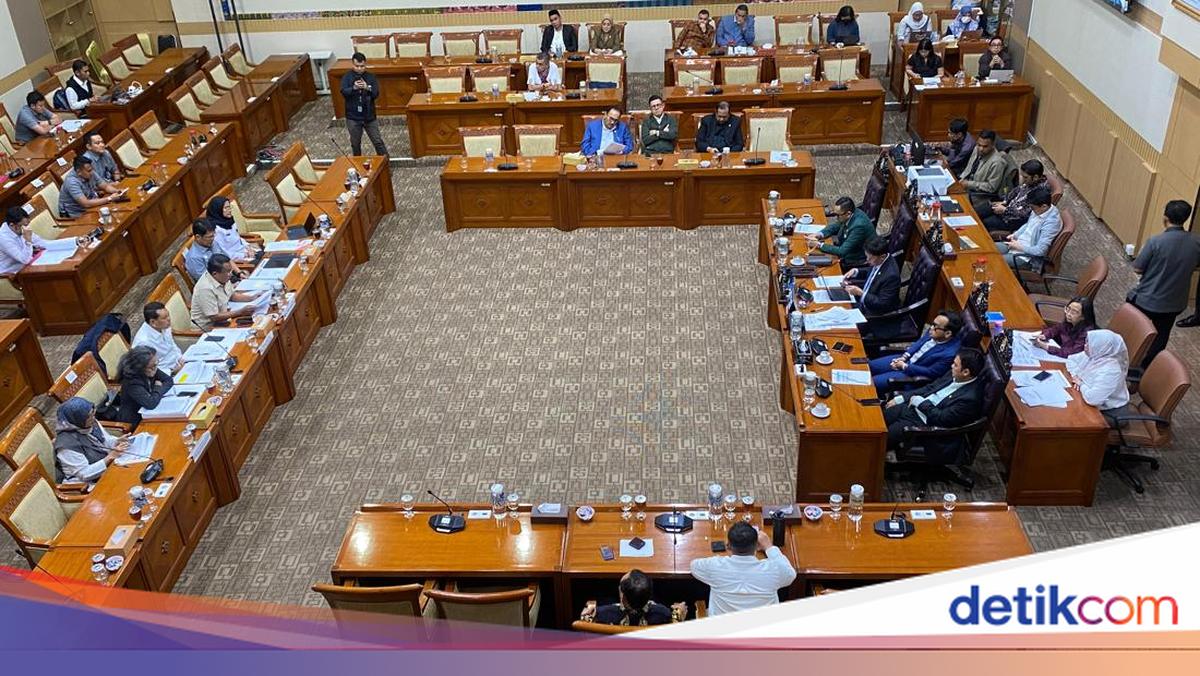
DPR Commission III held a working meeting with the government to discuss the revision of the Police Act (RUU Polri). Commission III Chairman Habiburokhman stated that the Police Bill aims to complement the Criminal Code (KUHP) and Criminal Procedure Code (KUHAP). Habiburokhman made these remarks during a working session with Law Minister Supratman Andi Agtas, representatives from the Ministry of Finance and the State Secretariat at the parliamentary complex in Senayan, Jakarta, on Monday (25 May 2026). He also addressed eight recommendations from the Special Committee on Police, Prosecutor’s Office, and Court Reforms. ‘The Police Bill is intended to complement the revised Criminal Code and Criminal Procedure Code. We also emphasise that the provisions in the Police Bill will not deviate from the 1945 Constitution and MPR Decrees VI and VII of 2000,’ Habiburokhman said. Habiburokhman stated that the selection of the Police Chief is the President’s prerogative. He explained that Commission III has held several consultations with academics regarding the bill. ‘This includes the provision on the Police Chief’s selection, which is the President’s prerogative,’ said the Gerindra Party’s Deputy Chairman. ‘The draft law for the second amendment to the 2002 National Police Act, and has requested the DPR Secretary-General’s Expert Agency to prepare the draft legislation and academic document,’ he added. Habiburokhman outlined several proposed changes in the Police Bill to be discussed with the government. He noted 11 articles are of particular concern. ‘First, a clarification of the Police Force’s transformation goals towards openness, transparency, professionalism, integrity, and quality public service,’ Habiburokhman said. ‘Second, strengthening oversight functions and implementing transparency principles through modern technology and information tools,’ he added. Habiburokhman stressed regulations on police neutrality and professionalism within human resource management and career development systems, including strict and clear rules for officers serving outside the police institution. ‘Clearer and measurable retirement age regulations aligned with organisational needs. The implementation of an education curriculum encompassing humanitarian, democratic principles, and human rights protection, reflecting Indonesia as a modern democracy,’ he said. Habiburokhman said the Police Bill also addresses the duties and position of the National Police Commission (Kompolnas). ‘Strengthening its duties and functions, alongside redefining the National Police Commission’s position,’ he added.