
DPR backs expansion of free education to 13 years
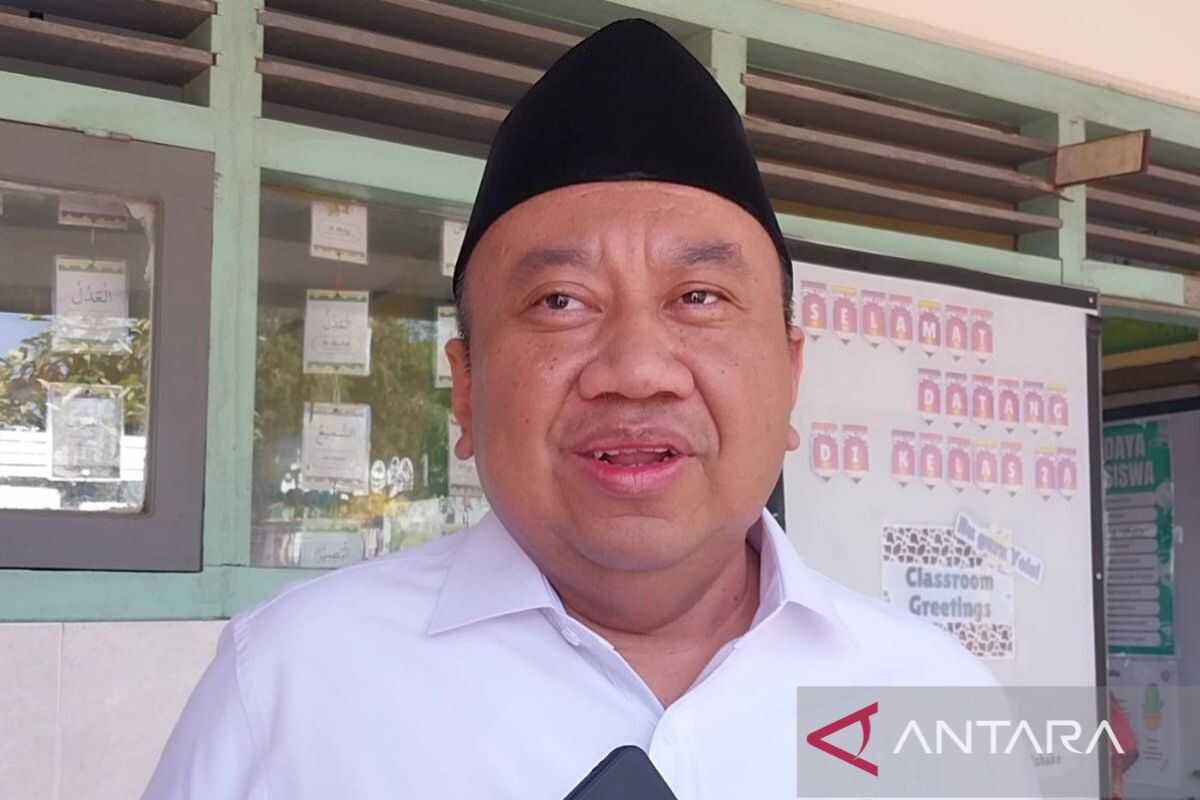
The government, together with the legislature, is also encouraging high school (SMA) and vocational school (SMK) graduates to pursue higher education. In Lombok Tengah, West Nusa Tenggara (ANTARA) – Deputy Chair of Commission X of the DPR RI, Lalu Hadrian Irfani, supported the government’s commitment to widen access to free education from nine years to 13 years. ‘Until 2025, the free education policy will cover primary (SD) and junior high (SMP) levels. Preschool education (PK) will still be charged,’ Irfani said during a reses in Kabul Village, Praya Barat Daya District, Central Lombok Regency, on Wednesday. Representing NTB II electoral district (Lombok Island), he said that from 2026, the government would implement a new policy providing 13 years of free education comprising one year of preschool, six years of SD, three years of SMP, and three years of SMA or SMK. ‘From the previous nine years to 13 years free. This is the state’s commitment to the education of our children,’ he added. In addition to state schools, the government is preparing regulations so that private schools, which have been charging tuition fees, can be made free through a subsidy scheme. The government will continue and strengthen the Indonesia Pintar (PIP) programme to help students from low-income families meet their school requirements. Annual PIP assistance amounts are: Rp450 thousand for PK, Rp450 thousand for SD, Rp700 thousand for SMP, and Rp1.8 million for SMA. The SMA assistance is larger because that level had previously required SPP payments. From 2026, SMP and SMA students will no longer be charged SPP, including at private schools. However, Lalu Hadrian reminded that PIP funds must be used for their designated purposes. Furthermore, the government and legislature are encouraging high school and vocational graduates to pursue higher education. President Prabowo Subianto is said to be paying serious attention to ensuring that the younger generation does not drop out or marry early due to various social effects, including risks of stunting and mental unpreparedness. The government is also preparing a university scholarship programme covering funding from the first semester through to graduation, so there is no excuse for Indonesian children not to continue their education due to cost. ‘We want our children to be greater than their parents. If parents have completed high school, their children should at least have S1. If parents hold a bachelor’s degree (S1), their children should at least have a master’s degree (S2),’ Hadrian said. He added that advanced countries such as China and South Korea have risen rapidly because they prioritise the quality of human resources through education. ‘As a partner of the government, Commission X of the DPR RI commits to ensuring that all of these education programmes run on target, transparently, and truly felt by the people,’ he said.