
DPD Urges Ministry to Re-verify Data on School Dropouts in Papua
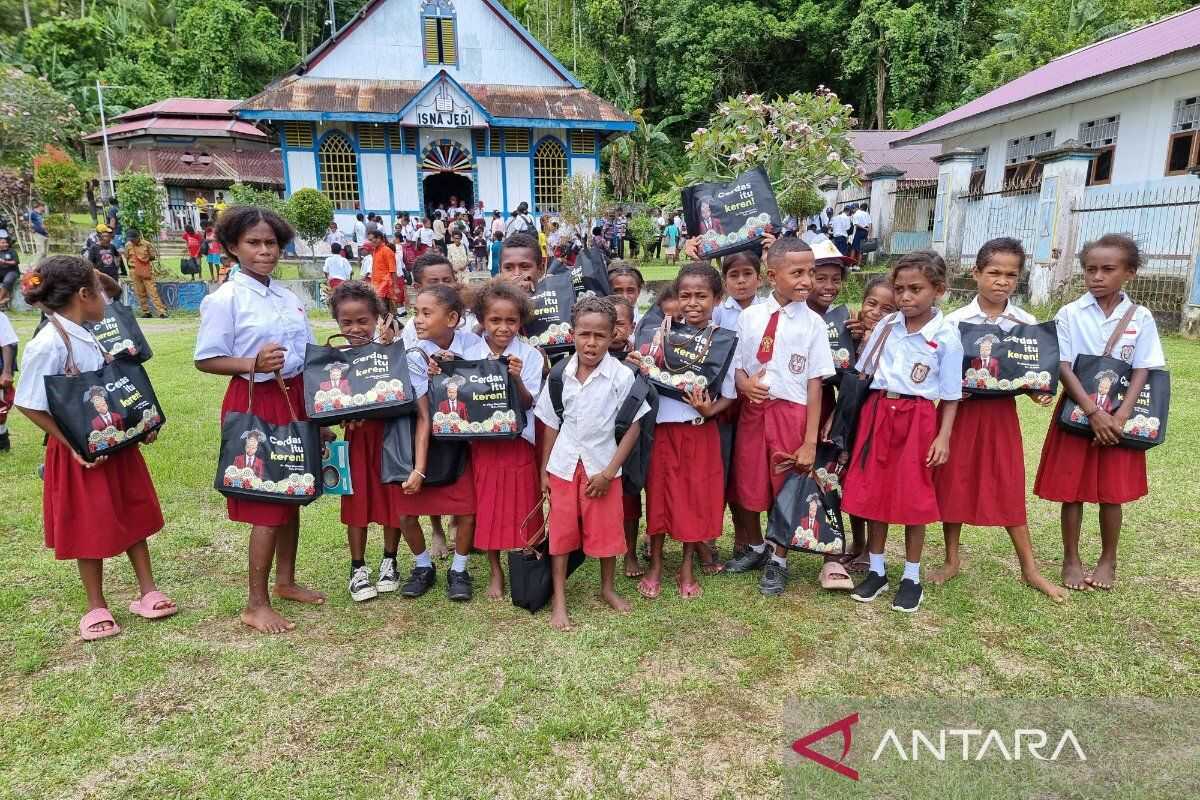
Chairman of Committee III, Filep Wamafma, said in Manokwari, West Papua, on Monday that updating and verifying the data is crucial to ensure accurate policymaking.
“The accuracy and validity of education data are vital to ensure it truly reflects actual conditions on the ground,” he said.
He noted that figures presented by the Chairman of the Executive Committee for the Acceleration of Papua Special Autonomy in January 2026 estimated the number of dropouts at 700,000, a significant increase compared with the ministry’s 2024 data.
He stressed that the government must reconcile these differing figures to ensure that education development planning in Papua is aligned with real conditions and effectively addresses underlying issues.
“In 2024, the ministry recorded just over 30,000 students, from elementary to senior high school levels, dropping out in the same region,” he added.
Wamafma said the lack of data synchronisation and updates could lead to inaccurate policies that fail to address core problems such as high education costs, limited infrastructure, and teacher shortages.
He noted that scholarship distribution relies on Basic Education Data (Dapodik), and the National Socio-Economic Single Data (DTSEN), which integrates the Social Welfare Integrated Data, the Socio-Economic Registry, and the Family Development Potential Mapping (P3KE) database.
“Discrepancies among these systems could potentially result in misdirected educational assistance,” he said.
He added that local governments must conduct periodic data collection to ensure that every school dropout in Papua receives proper attention and direct intervention.
“No more Papuan children should lose their right to education,” he emphasised.
In addition to education data, Wamafma highlighted the teacher-to-student ratio as an indicator of the uneven distribution of educators across Papua, which directly affects the quality of learning.
He also suggested that local governments involve customary and church leaders in the data verification process to ensure independence and strengthen public trust in the results.