
Downstreaming: The Answer to Ending Modern Colonisation
Indonesia suspends discussions on the Peace Council. Downstreaming is viewed not merely as an industrial strategy but as part of the nation’s effort to deliver added value and broader benefits. By managing natural resources from upstream to downstream domestically, the benefits extend beyond economic figures, strengthening national self-sufficiency.
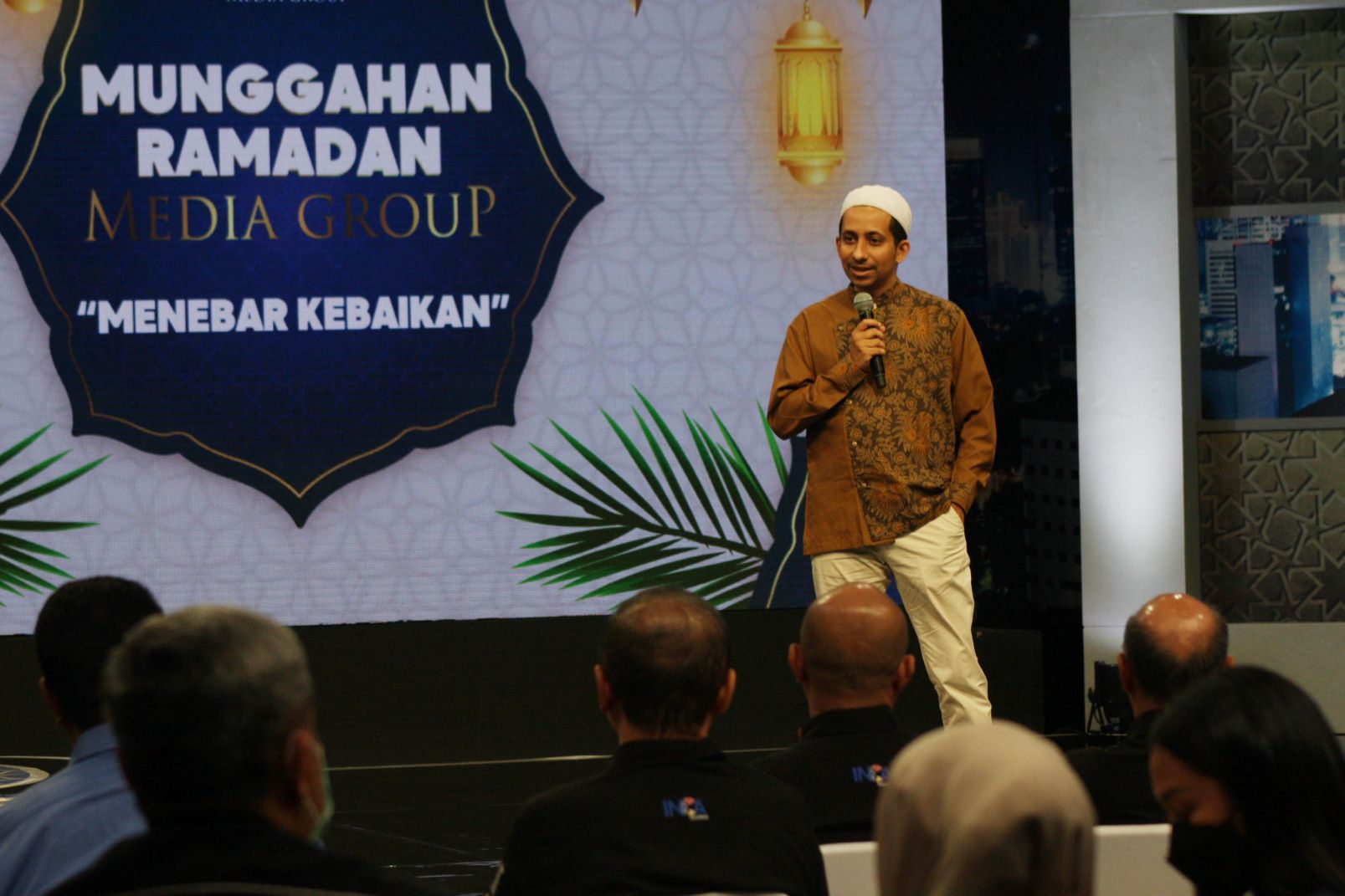
Religious figure Husein Ja’far Al Hadar said modern colonisation can occur when a country only sells raw materials without processing them further:
‘If we only sell it raw, we are not the masters of our own land. When we start thinking downstream, that is a step toward self-sufficiency,’ he said.
In his view, self-reliance does not mean closing off from the world. A nation continues to interact and cooperate, but has control over its wealth’s management.
‘Being self-sufficient does not mean being alone. We cannot live by ourselves, but we must become masters of our own land. Managing from upstream to downstream for the good of the nation,’ he added.
He emphasised that the primary measure of policy and economic activity is the benefits produced. In Islam, Prophet Muhammad is reported to have said, ‘Khairunnas anfa’uhum linnas’ — the best of people are those who are most beneficial to others.
‘The measure of goodness is benefits. Not only for a group, not only for their religion, but for all humanity, even all of creation,’ he said.
Therefore, he continued, resource management must be undertaken as an act of gratitude to God, carried out rightly, and aimed at shared maslahat.
‘Proper downstreaming is the kind that brings additional benefits. It adds value for the nation, strengthens sovereignty, and remains sustainable,’ he said.
With this approach, downstreaming as practised by the MIND ID Group is hoped to be more than an economic agenda; it represents a nation’s moral responsibility to manage natural wealth for shared wellbeing.
Energy transition is often understood as a technocratic agenda: reducing emissions, building solar plants, speeding up electric vehicles.
The National Strategic Project (PSN) Wiraraja Green Renewable Energy signed cooperation agreements with several American companies.
Energy and Mineral Resources Minister Bahlil Lahadalia said his ministry will study halting tin exports. He stressed that raw-material exports must be replaced with commodities resulting from downstream industries.
The Southeast Sulawesi Province’s Chamber of Commerce and Industry (Kadin) held Provincial Congress (Muprov) VIII.
Downstream policy in the mining and minerals sector still faces several obstacles.