
Downstream Processing Phase II: Not Just Industry, but People's Welfare
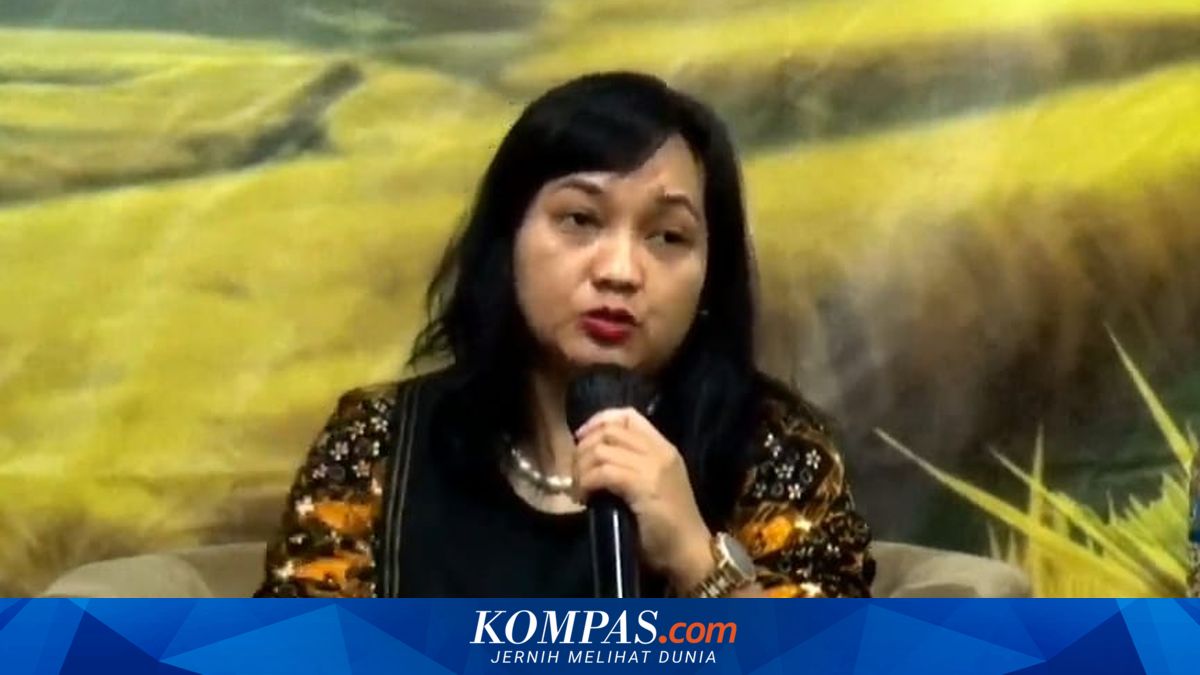
JAKARTA - The continuation of the national downstream processing project Phase II carries a major mission to enhance economic value and state revenues.
The Institute for Development of Economics and Finance (INDEF) explains that an equally crucial aspect is the extent to which this programme can deliver tangible social impacts for communities around the operational areas.
INDEF Programme Director Esther Sri Astuti conveyed this following President Prabowo Subianto and Danantara Indonesia CEO Rosan Roeslani officiating the groundbreaking of 13 national downstream processing Phase II projects worth Rp 116 trillion at the Cilacap Refinery Unit IV on Wednesday (29/4/2026).
These projects are being built as part of accelerating the transformation of value-added natural resource-based industries.
“This can be a good opportunity if there is an increase in productivity in the sector that serves as the important foundation for the success of downstream processing,” Esther said in a written statement on Thursday (30/4/2026).
Furthermore, national downstream processing Phase II can significantly increase export value and add to state revenues. Esther cited examples such as the processing of nickel, palm oil, and copper.
Esther also highlighted the need for innovation and technology. The application of modern technology in processing, including the construction of facilities like smelters, can drive operational efficiency while improving production quality.
“Thus, downstream processing is not only a process of industrialisation but also a journey towards a more advanced, adaptive, and sustainable economy,” she added.
“The creation of industrial zones in regions will certainly impact by opening new job opportunities, increasing the income of farmers/miners, and enhancing the welfare of local communities,” she said.
In response to the importance of innovation, during the groundbreaking ceremony, President Prabowo Subianto explained that downstream processing must be adaptive to technological developments and continuously reviewed, with the courage to adjust plans if better, more efficient, and more beneficial technologies for the people become available.
Thus, every decision is truly based on objective calculations and provides optimal impact.
Piter views the acceleration of the downstream processing programme implementation from the initial phase to subsequent phases as a positive signal.
“This is quite aggressive, because once again, downstream processing is a long process, not instant,” he said.
Piter also assessed the government’s consistency in executing these stages as demonstrating seriousness so that the programme delivers significant impacts, from increasing state revenues to creating jobs.