
Downstream Palm Oil Industry Invites Society to Recognise Benefits of Palm
Palm products are used throughout the day in our lives, from soap and cooking oil to chocolate, ice cream and biodiesel fuel.
Jakarta — Three downstream palm oil industry associations comprising the Indonesian Biofuel Producers Association (Aprobi), the Indonesian Oleochemical Producers Association (Apolin) and the Federation of Indonesian Vegetable Oil Industry (GIMNI) have invited the public to recognise the positive benefits of palm in daily life.
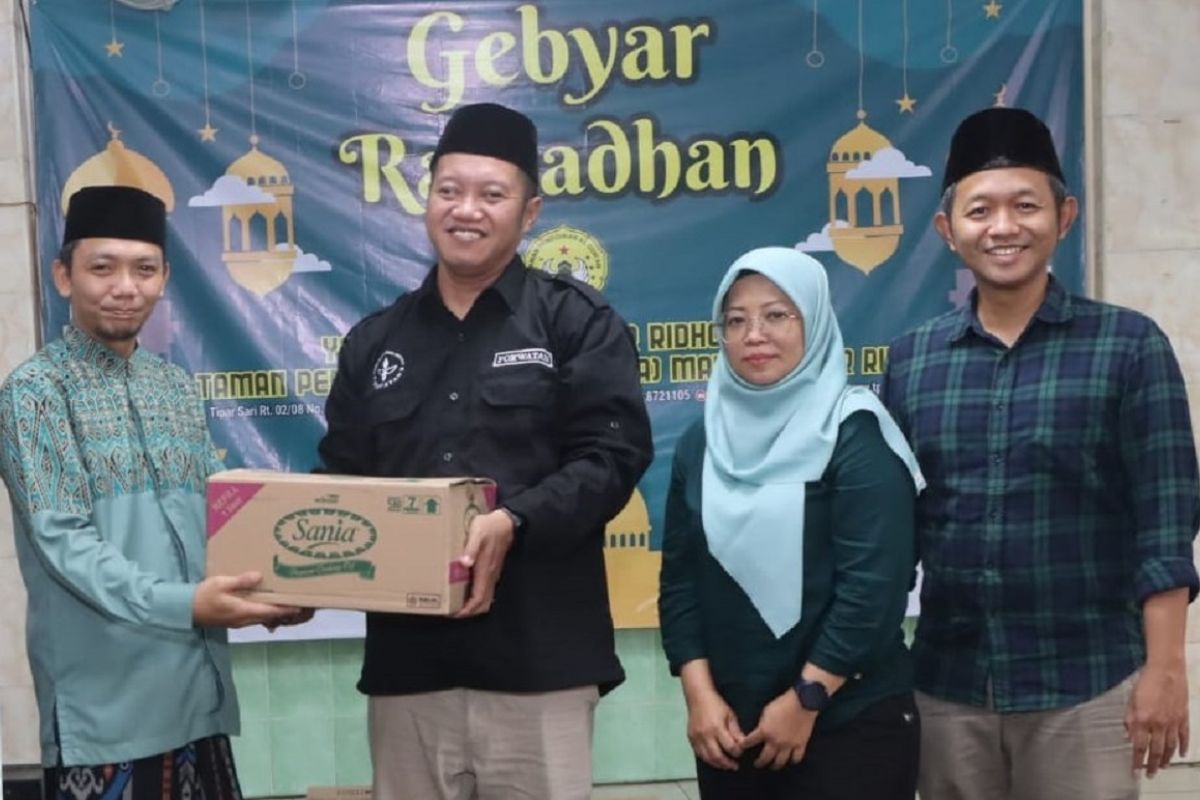
One initiative undertaken by these three associations is their collaboration with the Agricultural Journalists Forum (Forwatan) to distribute aid in the form of cooking oil, food products made from palm derivatives, and rice to three orphanages in Depok, West Java.
Rahayu Dwi Mumpuni, a representative of Aprobi in Jakarta on Monday, said that the palm oil industry plays a role not only in the national economy, but also produces various products used by the public every day.
“From cooking oil and food to biodiesel, everything comes from palm. That is why we hope this industry can also provide direct benefits to the public,” she said.
Palm, she continued, is a strategic Indonesian commodity that is highly beneficial for daily life, from cooking oil and soap to chocolate, ice cream and biodiesel fuel.
“Palm products are used almost throughout the day in our lives. From soap, cooking oil, chocolate, to ice cream, everything is made from processed palm oil,” she said.
According to Rahayu, palm also makes a significant contribution to the national economy.
Palm is a strategic national commodity with plantation areas of approximately 16.8 million hectares spread from Aceh to Papua.
The palm oil industry, she added, also plays a major role in the national economy as it absorbs approximately 17 million workers, both in the plantation and processing industry sectors.
Indonesia itself is one of the world’s largest palm oil exporters with main markets in India, Europe, China, the Middle East and Africa.
According to data from the Ministry of Industry, the economic value of the downstream palm oil sector is estimated to reach approximately 750 trillion rupiah, equivalent to approximately 3.5 per cent of Indonesia’s Gross Domestic Product, including export value and derivative products.
Rahayu mentioned that the social assistance distribution activities have been ongoing for seven years as a form of the palm oil industry’s concern for the public.
Meanwhile, General Chairman of Forwatan Beledug Bantolo mentioned the provision of assistance to three foundations: the Marhamatur Ridho Orphan & Poor Foundation, the Darussalam Islamic Orphanage Foundation in East Sukmajaya Depok, and the INTIFA Love Orphan and Poor Foundation Al Ikhwaniyah in Depok City.
“This activity is also part of an effort to introduce the benefits of the palm oil industry to the public,” he said.
Palm derivative products, he added, are utilised across various sectors, from cooking oil for food needs to biodiesel as a fuel mixture additive to support energy self-sufficiency.