
Downstream Mining Investment Reaches Rp431 Trillion, MIND ID Pushes for Synergy
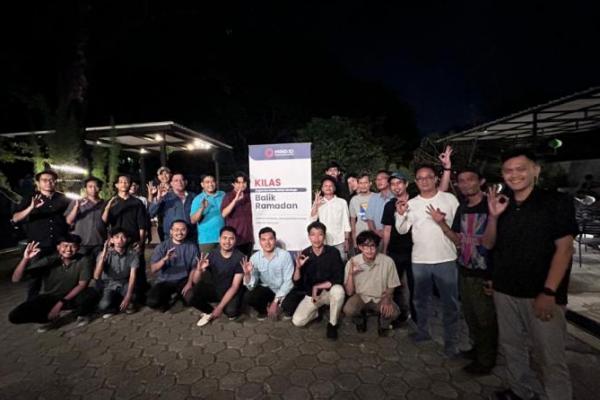
Jakarta - MIND ID’s Division Head of Institutional Relations, Selly Adriatika, emphasised the importance of synergy across stakeholders to strengthen investment and downstream processing in the domestic minerals and coal (minerba) sector. This effort is deemed crucial for creating added value and bolstering the national industrial structure.
In the last two years, the realisation of downstream investment has shown a significant trend. The government recorded downstream investment from January to September 2025 reaching Rp431.4 trillion, an increase of 58.1 per cent compared to the same period the previous year.
This achievement, Selly continued, demonstrates that downstream processing is no longer mere rhetoric but has become the driving force behind resource-based industrial transformation.
“Hilirisasi is a long-term process that demands consistency and collaboration from various parties,” Selly stated during the KILAS Balik Ramadan event. She emphasised that synergy is the key to enabling the mining sector to deliver broader and more inclusive economic benefits for Indonesia.
According to Selly, accelerating downstream processing must be supported by policy alignment and active involvement from all stakeholders, from the government and industry players to investors. Without solid collaboration, Indonesia’s vast mineral resource potential will not be optimally converted into high-value-added products.
Selly noted that the MIND ID Group continues to push this agenda through several strategic projects. The initiatives developed include bauxite processing facilities to aluminium, copper smelters and Precious Metal Refinery in Gresik, nickel downstream projects in Sulawesi, and strengthening coal logistics infrastructure.
Nevertheless, Selly acknowledged that the downstream journey still faces various challenges. These range from global commodity price volatility, supply chain changes, to geopolitical dynamics and international trade policies that can affect production costs and mining industry business strategies.
On the domestic front, she assessed that policies restricting raw mineral exports have opened up significant opportunities for developing domestic processing and refining industries. This policy is aimed at building a more complete supply chain while propelling Indonesia to advance as a producer of high-tech finished products.
Indonesia possesses a very strong resource base to support downstream processing. Reserves of nickel reaching around 55 million tonnes, bauxite 2.865 billion tonnes, and coal 31.96 billion tonnes serve as the main capital in strengthening long-term minerba sector investment.
“KILAS serves as a strategic space for all stakeholders to evaluate strategic programme achievements and ensure that every challenge faced can be resolved through agreed-upon steps,” Selly said.
She added that the success of downstream processing is not only measured by the amount of investment entering but also by how strong the industrial foundation built is and its impact on the national economy. With maintained synergy, downstream processing is expected to become the main driver of sustainable economic growth.