
Don't Underestimate It: These Factors Make Electric Vehicles Power-Hungry
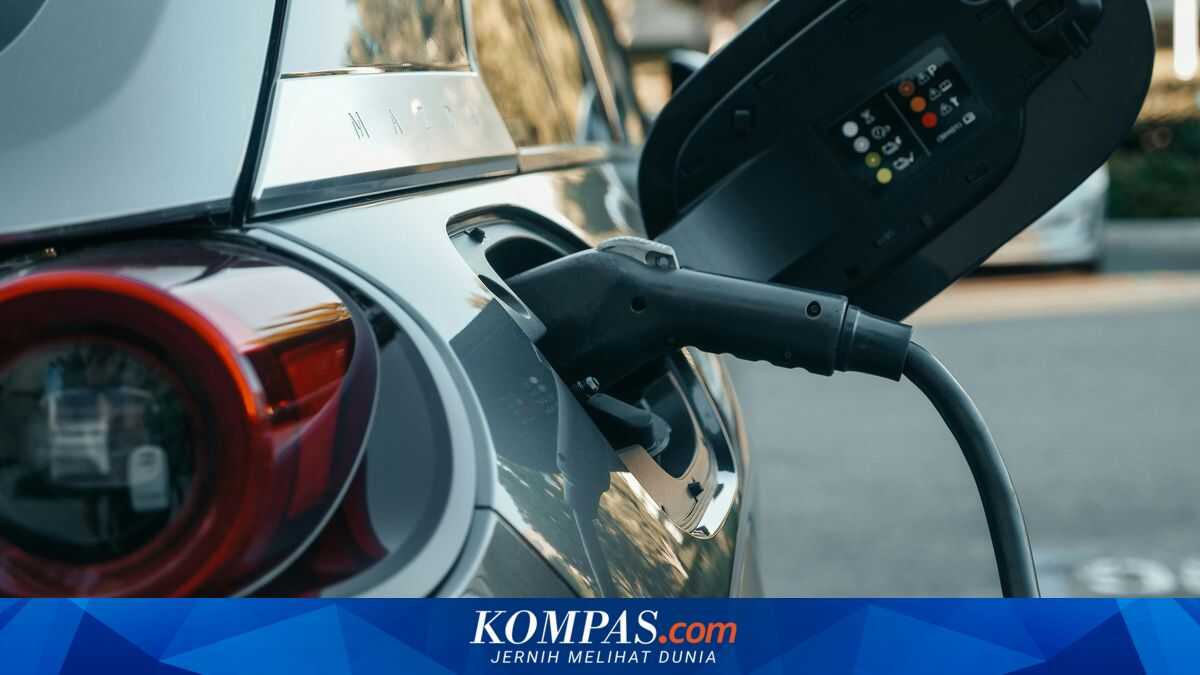
Electric vehicles (BEVs) no longer require petrol or diesel fuel as an energy source. However, they still require electrical power as their energy supply.
Electrical power is stored within a battery with a specific capacity. This results in limited driving range. Therefore, power-hungry electric vehicles can inconvenience users who need to charge frequently.
Jayan Sentanuhady, a lecturer in mechanical engineering at Gadjah Mada University (UGM), stated that like conventional vehicles, BEVs can also experience high power consumption relative to distance travelled. This excessive consumption is not necessarily due to manufacturing defects or technical faults, but is closely related to how the vehicle is used. Moreover, not all manufacturers measure electrical power consumption under real-world conditions.
Jayan explained that factory testing methods, such as WLTP, EPA, NEDC, and similar standards, use their own criteria that differ from actual driving conditions.
In real-world conditions, vehicles may carry full passenger loads, encounter traffic congestion, and be driven by users with aggressive driving habits who favour rapid acceleration. Electric vehicles possess instant torque, which often encourages drivers to accelerate aggressively from a standstill to high speeds.
“However, the greatest electrical power consumption occurs at the start of motion. Besides the load of moving the heavy vehicle requiring more power, aggressive acceleration also drains substantially more energy,” said Jayan.
As is well known, electric vehicles do not require petrol, but still require electrical power. This power is stored in a battery, each model having its own limited capacity.
“Electric vehicles frequently driven at high speeds will also consume more power, as electrical energy is depleted more rapidly. Whilst travel time may be shorter, the actual range is reduced,” said Jayan.
“The air-conditioning system in an electric vehicle places a burden on the battery, so electrical power continues to be consumed whilst the air-conditioning is operating. The lower the target temperature, the heavier the workload,” explained Jayan.
Therefore, consumers should not be surprised if their electric vehicle consumes more power than manufacturers claim. Beyond the need to adjust driving habits, actual daily driving conditions simply do not match the controlled conditions manufacturers use for power consumption testing.