
Don't Prioritise Beauty Over Halal Compliance
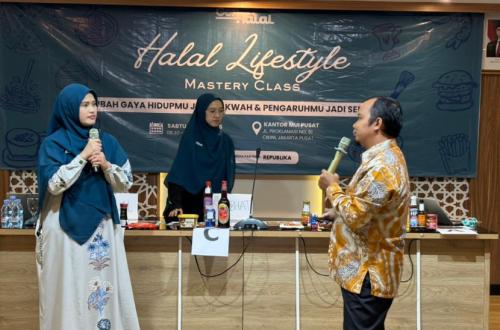
Indonesian halal influencer Dian Widiyanti has urged the public, particularly Muslim women, to not only consider beauty and trends when choosing cosmetics but also ensure their halal status. She noted that many beauty, skincare, and aesthetic procedures may contain elements inconsistent with Islamic law. Her awareness arose after researching cosmetic production processes and raw materials used in the global beauty industry. ‘Ensure the makeup in our pouch is genuinely halal,’ Dian said during a Halal Lifestyles Mastery Class training in Jakarta on Saturday (30 May 2026). She admitted to being a devoted fan of imported cosmetics. Prior to campaigning for a halal lifestyle, she collected popular international beauty brands. However, her perspective changed after investigating the raw materials used by foreign cosmetic brands. When inquiring about potential pork derivatives or non-halal slaughtered animal ingredients, the responses she received highlighted the difficulty in tracing their origins. Dian explained that halal concerns in cosmetics are far more complex than in food. Glycerine, a common cosmetic ingredient, is one example. ‘Glycerine can come from plants or animals. If animal-derived, it could be from pigs, cows, or other animals. If from cows, whether they were slaughtered according to Sharia is hard to verify,’ she said. Visiting cosmetic production facilities made her realise how complex raw material supply chain tracing is. Therefore, she believes consumers cannot rely solely on simple questions to producers about a product’s halal status. This awareness led her to switch to locally produced cosmetics with halal certification. She noted that domestic products now match imported brands in quality and are often more affordable. Beyond animal derivatives, Dian highlighted alcohol-based ingredients like wine and sake extracts found in some cosmetics. These ingredients are often overlooked by consumers due to technical terms in ingredient lists. ‘Haram elements can be hidden in everyday products, including makeup,’ she said. Not only cosmetics, Dian also warned about makeup brushes made from pig hair. She noted pig hair is widely used across industries due to its low cost and availability. ‘When discussing halal, we must consider supporting materials like makeup brushes,’ she said. Dian also addressed the rising trend of cosmetic procedures such as plastic surgery, fillers, thread lifts, and Botox. She explained that Islamic law differentiates between medical procedures to correct accident-related conditions or congenital defects and those solely aimed at altering appearance. ‘She explained that surgeries to correct cleft lips or accident damage are permissible as medical necessities. Conversely, procedures done purely for beautification without health reasons require scrutiny under Sharia guidelines.’ ‘Islam prohibits altering Allah’s creation without valid justification,’ Dian said. She cited several fatwas stating that cosmetic practices like fillers and thread lifts are impermissible when solely for appearance enhancement.