
Don't Make a Mistake! 5 Types of Surgery Not Covered by BPJS Health
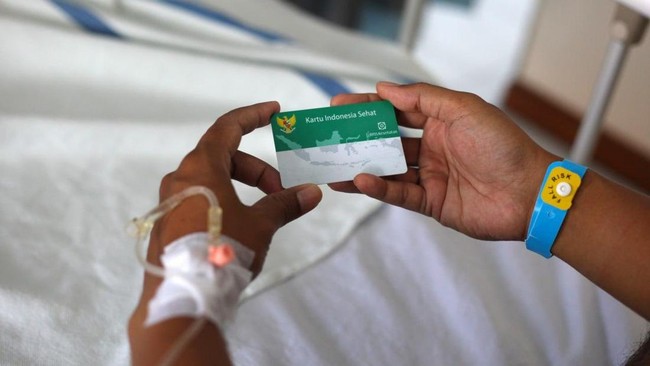
BPJS Kesehatan is part of the national social security system aimed at providing health service protection to all Indonesian citizens. Like insurance, BPJS Kesehatan requires monthly contributions that must be paid by participants. As long as membership is active, the public is entitled to healthcare services without additional costs at cooperating facilities, such as clinics, community health centres, and hospitals. One of the benefits covered is surgical procedures. However, not all types of surgery are included in BPJS Kesehatan services. So, which surgeries are not covered? List of surgeries not covered by BPJS Kesehatan: 1. Surgery due to accident impacts 2. Cosmetic or aesthetic surgery (procedures that do not endanger health) 3. Surgery due to self-inflicted injury (surgery resulting from careless or negligent actions causing wounds) 4. Surgery at foreign hospitals (procedures performed outside the scope of BPJS Kesehatan) 5. Surgery not in accordance with BPJS Kesehatan procedures (procedures that do not complete the appropriate application process). Types of surgery covered by BPJS Kesehatan Meanwhile, based on the guidelines for implementing the National Health Insurance (JKN), namely Ministry of Health Regulation Number 28 of 2014, there are 19 types of surgery covered by BPJS Kesehatan, namely: 1. Heart surgery 2. Caesarean section 3. Cyst surgery 4. Myomectomy 5. Tumour surgery 6. Odontotomy 7. Oral surgery 8. Appendectomy 9. Gallbladder stone surgery 10. Eye surgery 11. Vascular surgery 12. Tonsillectomy 13. Cataract surgery 14. Hernia surgery 15. Cancer surgery 16. Lymph node surgery 17. Pin removal surgery 18. Knee joint replacement surgery 19. Tympanectomy. To obtain BPJS coverage for surgical procedures, patients must seek treatment at first-level health facilities (faskes), such as community health centres or clinics approved by BPJS Kesehatan. If surgery is required, the patient will receive a referral letter to the hospital and an operation schedule from the relevant doctor at the hospital. In addition, there are three requirements that must be met and obtained by the patient to receive surgery coverage from BPJS Kesehatan, namely the BPJS Kesehatan card or Indonesia Sehat Card (KIS), a referral letter from the community health centre/first-level faskes, and the hospital patient card.