
Don't Let Jakarta's Problems Follow: Expert Warns of Suburbanisation Risks
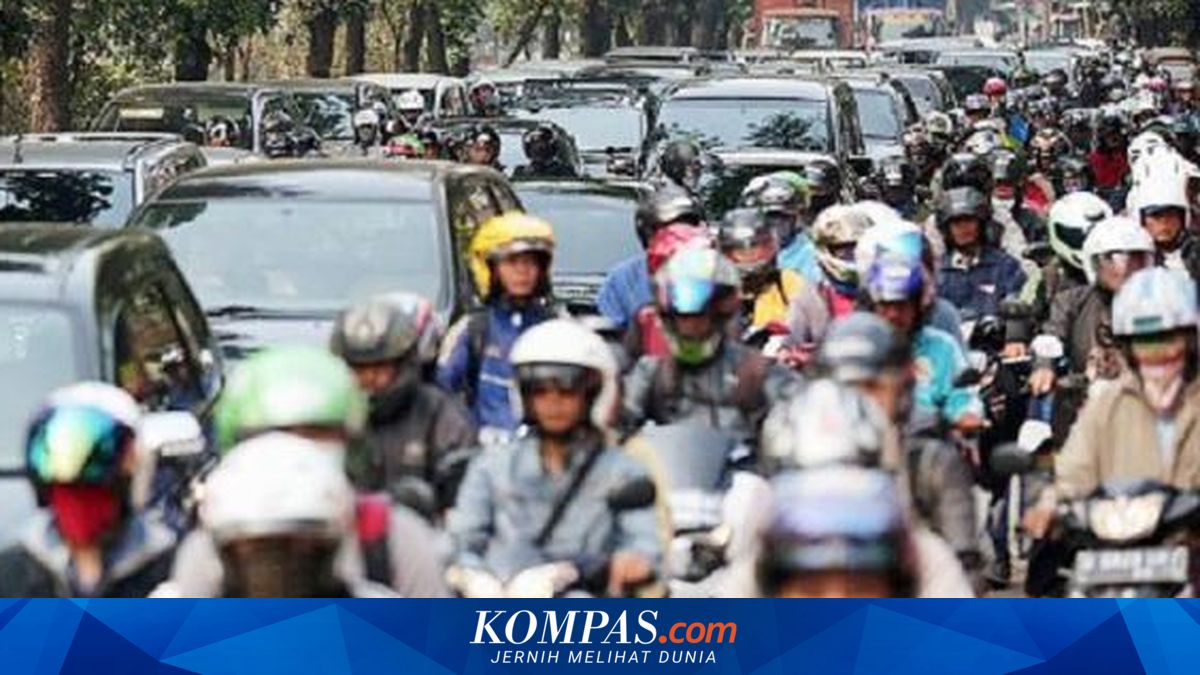
The relocation of residents from Jakarta to buffer regions is deemed necessary to be accompanied by integrated planning so that regional growth does not trigger the emergence of new urban problems. Urban planning expert M. Azis Muslim warns that peripheral areas should not experience conditions similar to those in Jakarta today, such as traffic jams, pollution, expensive housing prices, and other urban issues. “Don’t transfer Jakarta’s problems to the city’s outskirts. Don’t let peripheral areas become uncomfortable, relatively more expensive, and filled with various urban problems,” Azis told Kompas.com on Thursday (30/4/2026). This warning arises amid the increasing relocation of Jakarta residents to buffer areas such as Bogor, Depok, Bekasi, and Tangerang in recent years. “The number of residents leaving the capital is increasing and is almost double that of those entering,” said Denny. In the period from 25 March to 30 April 2026, 22,617 residents left Jakarta, while 12,766 newcomers entered. In 2024, there were 321,782 residents moving out of Jakarta. Jakarta residents moving to Bogor Regency numbered 49,473, followed by Bekasi Regency (40,440), Depok City (40,320), Bekasi City (33,868), South Tangerang City (26,508), Tangerang City (23,452), Tangerang Regency (19,929), Karawang (3,782), and Bogor City (2,864). Meanwhile, in 2023, the number of residents leaving reached 243,160, higher than the 136,200 new arrivals. On one hand, peripheral areas receive an economic boost. Business activities increase, SMEs grow, and the development of middle-class properties serves as an indicator of regional development. However, on the other hand, pressure is also beginning to be felt, such as rising land prices in several buffer areas that are starting to trigger the displacement of local residents to further areas. In addition, congestion that was previously concentrated in Jakarta is now beginning to spread to surrounding cities, especially on weekends. The impact of suburbanisation also affects environmental aspects. According to Azis, the increasing need for housing and infrastructure has the potential to reduce green open spaces and water catchment areas.