
Don't Leave Chargers Plugged In: Here Are the Risks
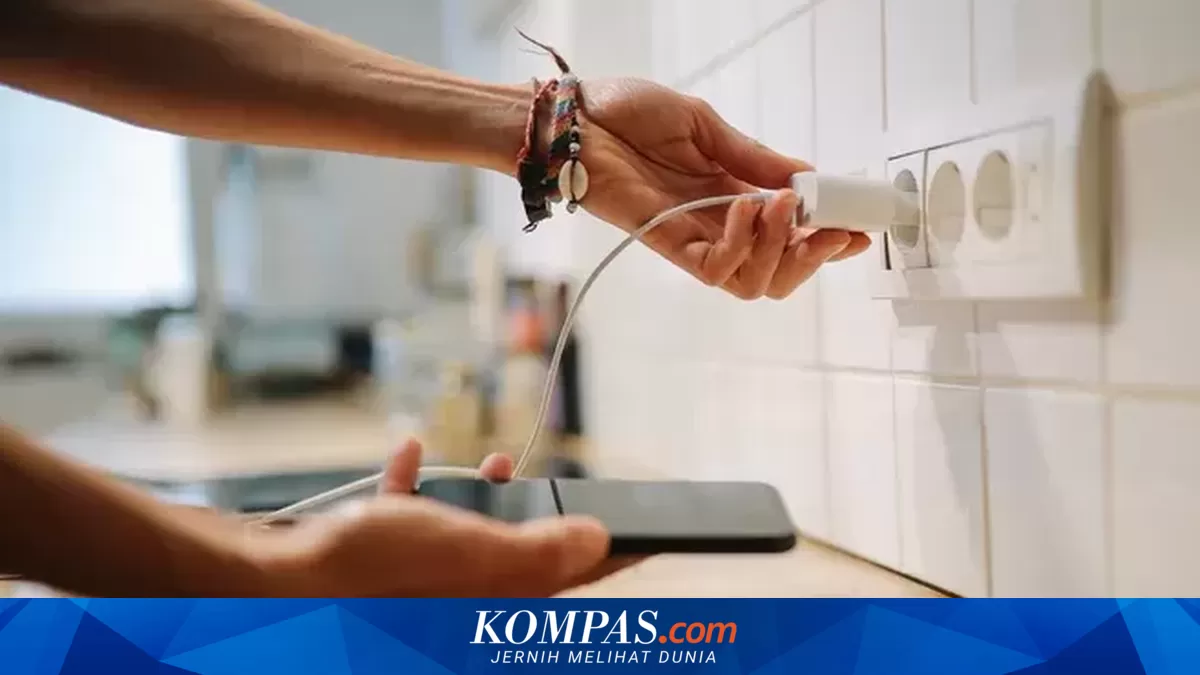
Many people are accustomed to leaving the charger adapter plugged into the outlet, even though the smartphone or gadget has finished charging. The reason is simple: they are too lazy to unplug, and it will be used again later. This habit may seem trivial and common, but electrical experts advise reducing it because there are several risks that are often not realised.
One main reason is hidden electricity consumption. Chargers left plugged in still draw power even when not in use. This phenomenon is known as phantom load or vampire power.
‘Indeed, it isn’t a large amount of electricity, but if left on continuously, over time it can be reflected in the electricity bill,’ said Josh Leclair, a Master Electrician and owner of Village Home Services.
‘Charger that remains plugged in will stay warm and its internal components will wear out more quickly,’ added McCarthy.
In certain conditions, especially if the charger is old, damaged, or of poor quality, excessive heat can trigger a short circuit and a risk of fire.
Another risk also arises in homes with young children or pets. The dangling charger cable can be pulled, bitten, stepped on, or played with inadvertently.
‘A bite or accidental tug can damage the cable and leave live conductors exposed,’ Leclair said.
Even when not charging, the end of the charger remains live. If the cable is damaged to the point that its inner components are exposed, this could trigger an electric shock or a short circuit.
Moreover, using chargers and cables that do not meet specifications can worsen the habit of leaving chargers plugged in. If the user has a high-powered charger head but pairs it with a low-quality or incompatible cable and keeps it plugged in, this can prevent heat from dissipating effectively.
Electricians say unplugging a charger from a power outlet isn’t about panic but a small habit with long-term benefits. For instance, chargers last longer, electricity consumption can be reduced, and home safety is improved.
For a more practical solution, users can use outlets with switches. After finishing charging, simply switch off the outlet. That way, the power can be cut off without needing to unplug the adaptor one by one.
This simple step could be a solution for those who often forget or are lazy to unplug chargers from the socket, according to KompasTekno, drawing on Southern Living.