
Don't Get It Wrong: An Expert Explains Gasoline's RON
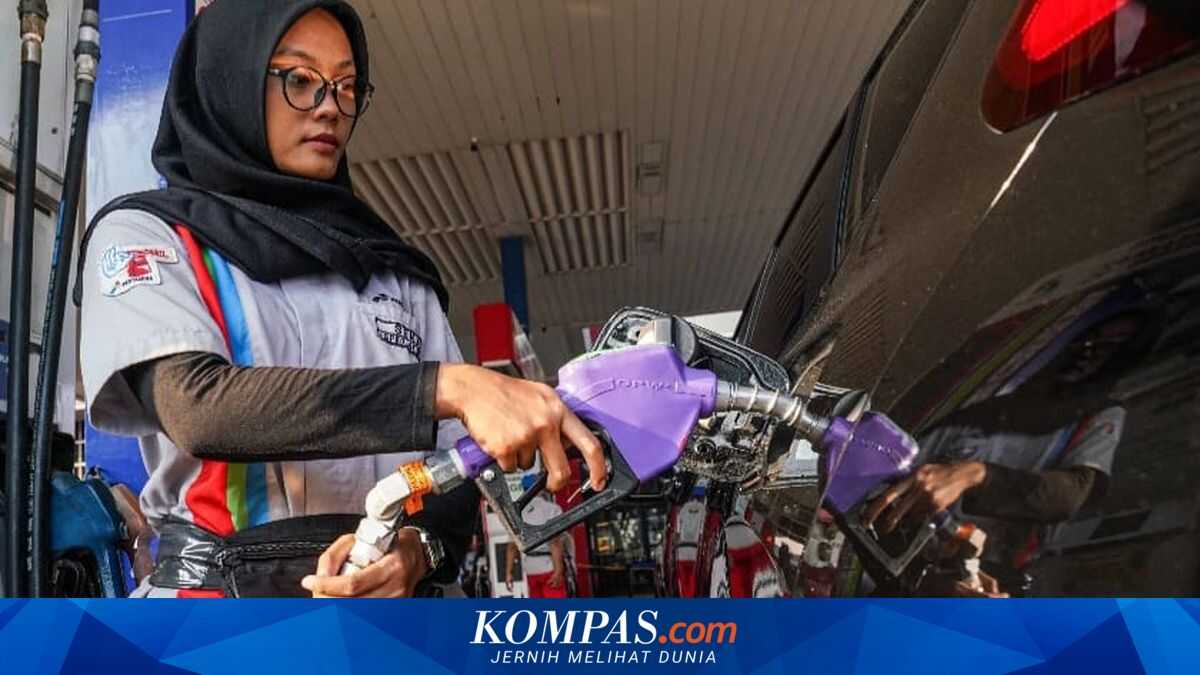
JAKARTA, KOMPAS.com - The Research Octane Number (RON) of petrol often attracts the attention of vehicle owners. In Indonesia, fuel options with different RON levels—such as 90, 92, 95, and up to 98—are available on the market. However, not a few people still believe that the RON figure is formed by adding certain substances to petrol. According to him, the RON figure is a measure of the fuel’s ability to withstand detonation or pre-ignition that occurs before the spark plug fires in the engine’s combustion chamber. In measurement, RON is compared with a reference fuel that has a mixture of two compounds, namely isooctane and normal heptane. The composition of these two compounds serves as a reference to determine the RON value. For example, a fuel with a RON of 90 means its characteristics are equivalent to a mixture of 90 percent isooctane and 10 percent normal heptane in the reference fuel. ‘If the isooctane content is higher, for instance 98 percent, then that fuel is more resistant to detonation or self-ignition before the spark plug is fired,’ Tri said. Tri added that, in practice, petrol does not actually contain a mixture of those two compounds. The RON value is more influenced by the composition of hydrocarbon groups within the fuel, such as paraffin, isoparaffin, olefin, naphthenic, and aromatic. The composition of these various compounds then determines the burning characteristics of the fuel as well as its resistance to detonation inside the engine.