
Don't Get Exhausted Before Departure: Call to Limit Walimatus Safar for Hajj 2026
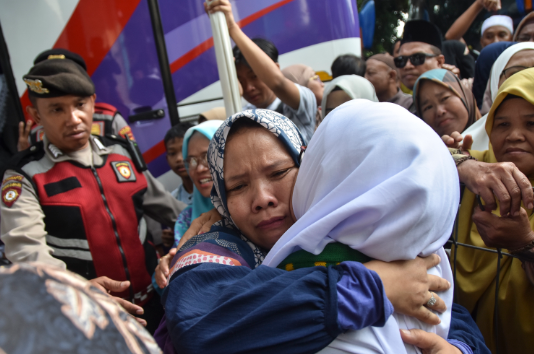
In Indonesia, the departure for Hajj pilgrimage is often accompanied by the tradition of walimatus safar, a celebratory gathering for giving thanks, fostering kinship, seeking prayers of blessing, and mutual forgiveness before the pilgrims head to the Holy Land. However, ahead of the 2026 Hajj season, pilgrims are urged to begin limiting the frequency and scale of such events. This exhortation is not without reason, but rather for the welfare and smooth conduct of the pilgrims’ worship itself.
Head of the Hajj Health Centre at the Ministry of Religious Affairs, Liliek Marhaendro Susilo, reminds that excessive walimatus safar traditions can trigger fatal fatigue among pilgrims, even before they arrive in the Holy Land.
He cites a tragic incident from the previous Hajj season that should serve as a collective lesson. A Hajj pilgrim was reported to have passed away on the plane during the journey to Saudi Arabia, before even setting foot in Madinah to worship.
Based on the health team’s investigation, the main cause of death was extreme fatigue resulting from excessive activities leading up to departure.
The pilgrim in question had held an open house event for seven consecutive days and nights as part of the walimatus safar.
“The pilgrim was exhausted from seven days and seven nights of open house receiving guests for walimatus safar. On the plane, he was so fatigued that he couldn’t wait to go to the toilet, fainted, and could not be saved. That’s an example we hope does not repeat,” said Liliek to the media after delivering a presentation at the Training for Hajj Organising Officials (PPIH) at the Pondok Gede Hajj Hostel in January.
Literally, walimatus safar means a farewell feast. By tradition, it is a moment to settle human affairs (hablum minannas) before focusing on divine matters (hablum minallah). However, in recent years, the scale of these events has often become very large and exhausting, which risks disrupting the pilgrims’ primary readiness.
Hajj is a physically demanding pilgrimage. Pilgrims need prime stamina from the first day of departure. Consecutive walimatus safar events, often running late into the night, can lower the body’s immunity due to lack of rest. Considering the extreme weather challenges, pilgrims are strongly advised to conserve their energy.
Crowds at thanksgiving gatherings increase the risk of pilgrims being exposed to viruses or bacteria (such as flu or ARI) right before departure. If a pilgrim falls ill during the health check at the embarkation point, it could delay or even cancel a departure awaited for years.
Time spent managing food and invited guests often takes away from what should be used to solidify prayer recitations, understand the pillars of Hajj, and attend the final manasik guidance. Spiritual and knowledge preparation is far more crucial than social ceremonies.
Limiting walimatus safar does not mean severing kinship ties. Here are some wise approaches that pilgrims can take: