
Don't Get Confused: The Difference Between Type Testing and KIR for Vehicles
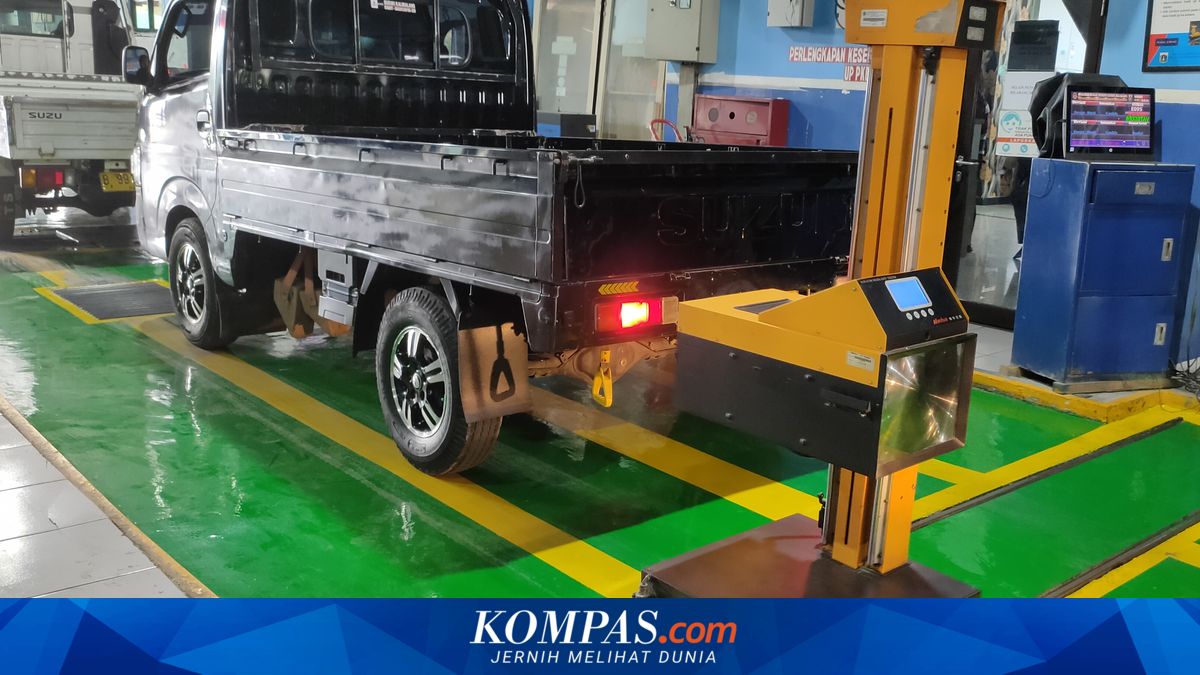
JAKARTA – Not a few members of the public do not yet understand the difference between type testing and periodic testing (KIR) for motor vehicles. In fact, both have different functions and complement each other in ensuring that vehicles are roadworthy. The Head of the Roadworthiness Testing and Motor Vehicle Certification Centre (BPLJSKB), Iman Sukandar, stated that there is a fundamental difference between type testing and periodic testing. Iman explained that type testing is the initial stage of testing that vehicles must undergo before being marketed or used on public roads. This testing covers various technical aspects, such as safety, emissions, and vehicle specification compliance. “Well, here, with us, it’s type testing,” said Iman. “This type testing is for vehicles that are newly entering Indonesia, whether imported, assembled, or produced domestically. Before operating on the roads, vehicles must obtain an SUT, which is the Type Test Certificate,” he said. “So, one SUT for one type. However, derivatives from that, each vehicle must still have an SRUT. This will later serve as the basis for issuing STNK and BPKB,” he added. Meanwhile, periodic testing or KIR is carried out after the vehicle is in operation, specifically for public and goods transport vehicles. “For example, at Pulo Gebang or Jalan Raya Cakung. Well, that’s what is called periodic testing. This testing is done every six months and is the authority of the local government. The common term is KIR,” he said. The BPLJSKB is a technical implementing unit under the Ministry of Transportation, located in Bekasi, West Java, which conducts type testing. The BPLJSKB was established in 1988 and serves as the centre for motor vehicle type testing in Indonesia. In August 2025, its facilities will be expanded with the operation of a proving ground to support international safety standards.