
Don't Choose Haphazardly: Expert Tips for Healthy Sacrificial Animals for Eid al-Adha
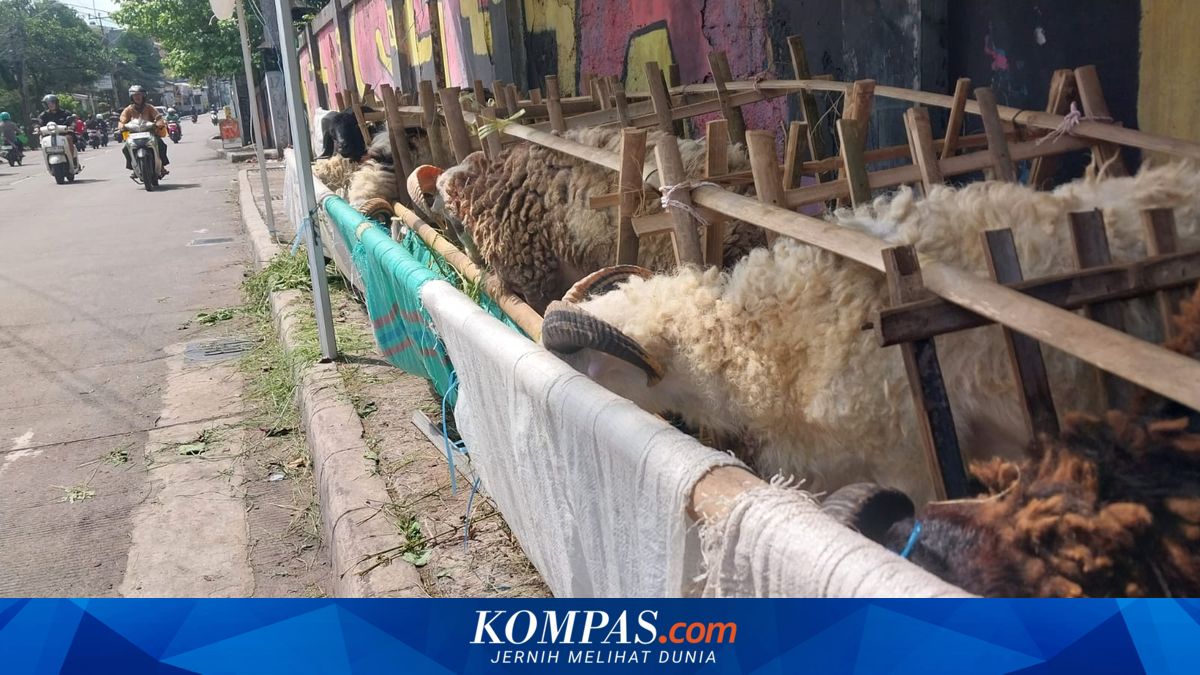
The slaughter of sacrificial animals is a highly anticipated event for Muslims during Eid al-Adha celebrations. However, despite the enthusiasm, the handling and slaughtering of these animals in the field still require greater attention to align with animal welfare standards. Addressing this, Dr. Nusdianto Triakoso, M.P., an expert from Universitas Airlangga (UNAIR), emphasised the importance of maintaining the health of sacrificial animals and preventing stress before slaughter. The timing before and during slaughter plays a critical role in determining the quality of the meat consumed later. ‘It is better to transport the sacrificial animals a day before slaughter and ensure the temporary holding area is well-managed. There are also standards and techniques to prevent stress during the slaughtering process,’ Dr. Nus said, citing UNAIR’s website. The first step to obtaining high-quality meat begins with accurately selecting the animal. Dr. Nus shared common indicators that the public can easily recognise to ensure the animal is healthy. To prevent stress from long journeys, slaughter committees are advised to transport animals to the temporary holding site 24 hours before slaughter. This period serves as adequate rest for the animals. Additionally, the temporary pen should be located far from the slaughter area so that waiting animals do not hear or see other animals being slaughtered. ‘Ensure the animals are transported to the slaughter site at least 24 hours in advance. Also, avoid sharpening knives in front of the sacrificial animals as it can induce fear and stress,’ Dr. Nus advised. During the execution process, the technique for lowering the animal must be gentle to avoid pain and excessive stress. Common mistakes in the community include forcefully pulling a cow’s legs, causing it to fall hard to the ground. As a solution, Dr. Nus introduced scientific methods such as the Burley and Rope Squeeze techniques. These rope-based methods allow cattle to lie down gently on the ground, as if resting peacefully. Equally important, the slaughtering tool must be a very sharp knife.