
Don't Be Surprised! Packaged Drink Prices Have Quietly Risen Due to Plastic Effects
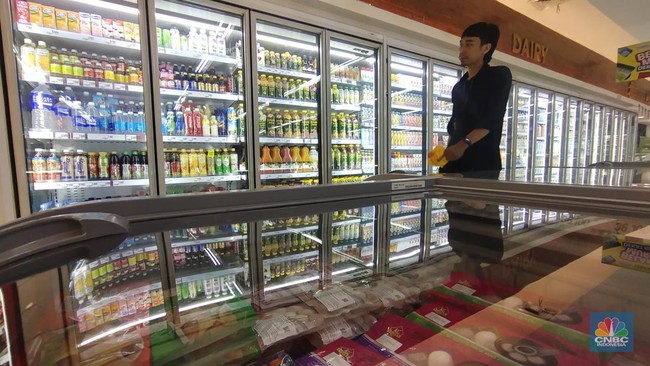
Jakarta, CNBC Indonesia - The General Chairman of the Indonesian Bottled Drinking Water Companies Association (ASPADIN), Firman Sukirman, revealed that prices of packaged drinks have started to increase in the market. This rise is triggered by the surge in prices and scarcity of plastic raw materials.
He stated that price adjustments cannot be avoided because the cost pressures can no longer be covered solely through internal company efficiencies.
“Yes, like it or not, with these unreasonable prices, we have to make price adjustments,” said Firman when met at the Parliamentary Complex, Jakarta, on Tuesday (7/4/2026).
According to him, the price increases have even started occurring since last week and are now beginning to be felt at the retail level.
“It’s not this week (the rise), but from last week as well, some have already increased,” he said.
The price increase for AMDK products, said Firman, averages Rp2,000 to Rp3,000 per carton for plastic packaging containing 24 or 48 glasses.
He emphasised that the current surge in plastic raw material prices is at an unreasonable level and far above normal increases.
“It’s very noticeable, extremely noticeable, because there are no more increases below 10%, the prices are really high,” he stated.
He continued that, under certain conditions, the raw material price increases can even exceed 30% up to over 70%.
“And that can rise above 36%, even above 70% for now,” he added.
Firman revealed that, besides being expensive, plastic raw materials are also experiencing scarcity, which is starting to disrupt the continuity of industrial production.
He warned that if this situation persists, micro, small, and medium enterprises (UMKM) could potentially cease production in the coming months due to raw material limitations.
According to him, the industry has so far taken various mitigation steps, such as stockpiling temporarily, energy efficiency, and negotiating long-term contracts to maintain supply.
However, he assessed that these steps are not sufficient to withstand the continuously rising cost pressures. In the current situation, he continued, companies have two options: raise prices or reduce production volume due to raw material shortages.
“All products involving plastic, whether AMDK or non-AMDK, are definitely experiencing contraction,” said Firman.
He also hopes that the government can provide support in the form of incentives, especially for UMKM, as well as relief on import costs for raw materials so that price pressures do not escalate further.