
Don't Be Fooled: The Difference Between Legal and Illegal Queue-Free Hajj
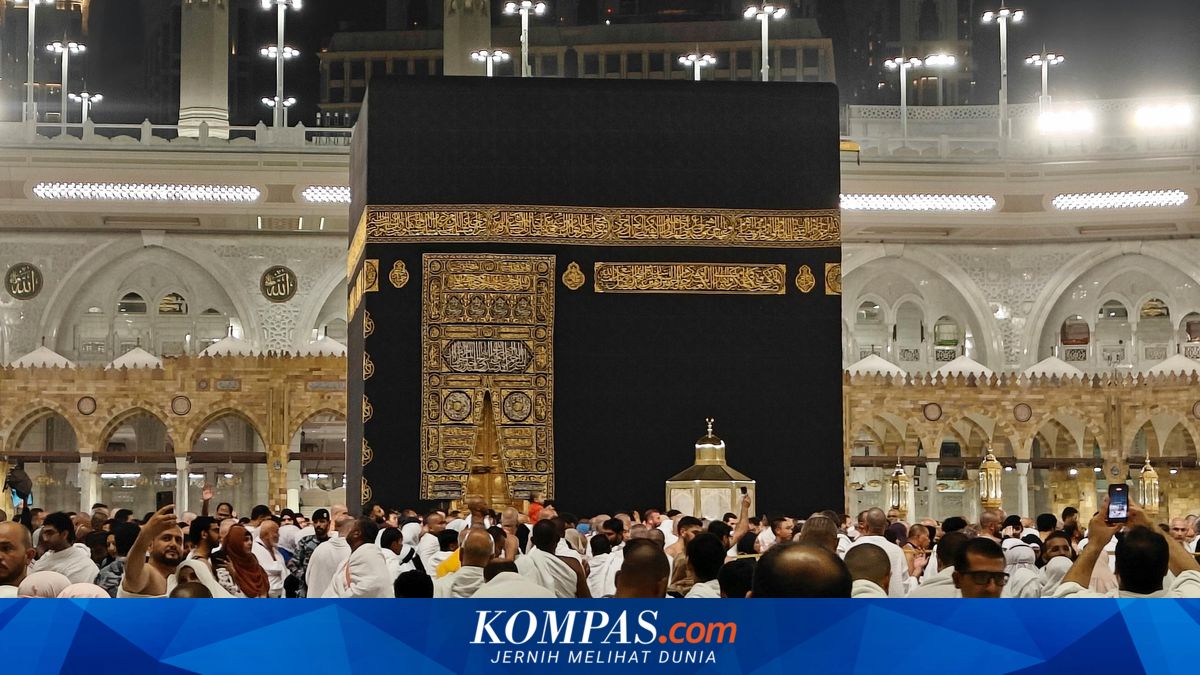
The case of illegal Hajj has resurfaced after several Indonesian citizens (WNI) were arrested in Saudi Arabia for allegedly being involved in such practices. This situation serves as a reminder for the public to better understand the difference between legal and illegal Hajj, especially when receiving offers for queue-free Hajj. General Secretary of the DPP Amphuri (Indonesian Muslim Hajj and Umrah Organisers Association), Zaky Zakariya Anshary, emphasised that the legality of Hajj is not determined by the presence or absence of queues, but by the type of visa used. “Not all queue-free Hajj is non-procedural (illegal). There are also procedural ones,” said Zaky in an interview on Kompas.com’s Newsroom Chat, Tuesday (5/5/2026). Non-quota Hajj can fall into the legal category as long as it uses official Hajj visas, such as: Although known as queue-free Hajj, the programme remains lawful if it uses official Hajj visas. “What distinguishes it is not the queue or lack thereof, but the visa. As long as it uses a Hajj visa, it is procedural,” he stated. He added that queue-free Hajj practices also occur in several countries with Muslim minority populations, where Hajj quotas are not always fully absorbed. Zaky mentioned that several visas are often misused, including: In addition, there is a practice known as “domestic Hajj” in Saudi Arabia, where workers already there participate in the Hajj pilgrimage without official procedures. “As long as it does not use a Hajj visa, it falls into the non-procedural or illegal category,” Zaky stressed. Illegal Hajj practices risk legal sanctions in Saudi Arabia, including arrests and deportation. Therefore, the public needs to be more cautious, as offers of queue-free Hajj can still lead to illegality if official Hajj visas are not used.