
Donald Trump Boasts 'Venezuelan Oil Will Be Pumped to the US' — What Does It Mean?
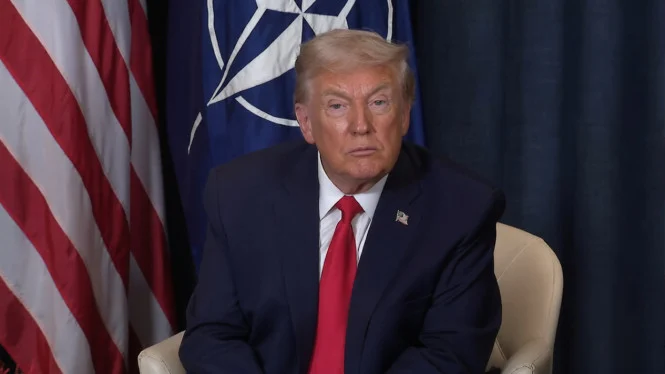
US President Donald Trump has expressed his interest in exploiting Venezuela’s oil reserves — said to be the largest in the world — after previously overseeing the arrest of President Nicolás Maduro. Trump even revealed plans to visit the country, though no official schedule has been set.
The statement came after US Energy Secretary Chris Wright completed a two-day visit to Venezuela, inspecting the reopening of the oil sector to foreign investors.
The move follows the passage of legislation by Venezuela’s National Assembly enabling private and foreign investment in the oil industry, ending two decades of strict state control.
At a press conference in January, Trump said: “We are going to extract oil in quantities nobody has ever seen.” He urged US oil companies to pour up to US$100 billion in investment to restore Venezuela’s severely damaged energy infrastructure.
However, analysts have cast doubt on the feasibility of the plan. William Jackson, chief emerging markets economist at Capital Economics, told the BBC that Trump’s goal is “to revive Venezuela’s oil sector and use that energy to boost supply and reduce costs for consumers.”
Nevertheless, the condition of state oil company PDVSA is considered dire. “In Venezuela, you are dealing with equipment that has been damaged by years of neglect,” Jackson said. He added that 10 to 15 years ago, Venezuela was producing 1.5 million barrels per day more than it does currently.
Monica de Bolle, a senior fellow at the Peterson Institute for International Economics, also told the BBC that much of the infrastructure would need to be “completely overhauled and rebuilt from scratch.”
She argued that, technically, the best option would be to dissolve PDVSA — though that would be nearly impossible politically. “It is a major nationalist symbol, tied to sovereignty,” she said.
Officially, Venezuela holds reserves of 300 billion barrels of oil. Yet in 2023, its exports reached only 211.6 million barrels worth approximately US$4 billion — far below Saudi Arabia, which earned US$181 billion in the same period. Moreover, the heavy, high-sulphur quality of Venezuelan crude makes production costs considerably higher.