
Domino Effect of the Strait of Hormuz Blockade: List of Countries Beginning to Experience Fuel Crisis
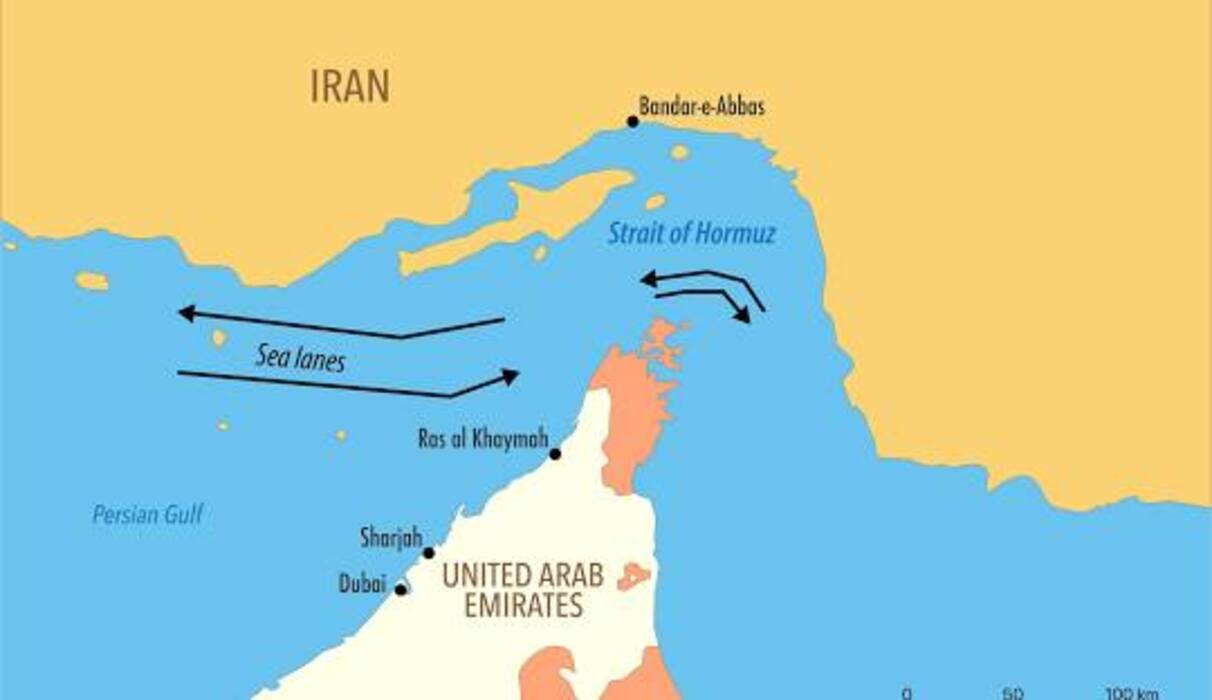
The blockade of the Strait of Hormuz, which has been in place since early March 2026, has triggered severe shocks to the global energy supply chain. As a transit route for nearly 30% of the world’s crude oil supply, the closure of this route has forced several countries into an energy emergency phase or fuel crisis due to depleting national fuel stocks.
Countries in the Asia-Pacific region have been the most affected due to their high dependence on oil imports from the Middle East. In addition to Australia, which is facing panic buying actions, several other major countries have begun implementing energy consumption restriction policies.
Japan and South Korea, two East Asian economic giants, have reported that they have started releasing their strategic petroleum reserves (Strategic Petroleum Reserves/SPR). Japan, which imports more than 90% of its oil needs through the Strait of Hormuz, is now limiting public transportation operations and urging the manufacturing industry to reduce the use of fossil fuels.
A similar situation is occurring in Seoul. The South Korean government has raised the energy alert level to the highest. Petrol prices in both countries have reportedly surged by up to 40% in less than three weeks.
The Strait of Hormuz is the lifeline of the world’s energy. Its closure for even one day can cause delays in the distribution of up to 20 million barrels of crude oil to global markets.
India, as the world’s third-largest crude oil importer, is beginning to feel the extraordinary impact of inflation. The Indian government has reported that domestic logistics costs have doubled, triggering a national rise in food prices.
In Southeast Asia, countries such as the Philippines and Thailand have begun implementing quota systems at petrol stations to prevent total shortages. Meanwhile, in Indonesia, the government continues to monitor global crude oil price movements to maintain fuel price stability in Rupiah terms and prevent economic turbulence at the grassroots level.
International energy analysts predict that if the Strait of Hormuz blockade continues until next month, Brent crude oil prices could breach a new psychological level above US$150 per barrel. This would force importing countries to seek alternative supplies from other regions, albeit with much higher logistics costs.