
Domino Effect of the Middle East War: Thailand Faces Shortages and Fuel Panic Buying
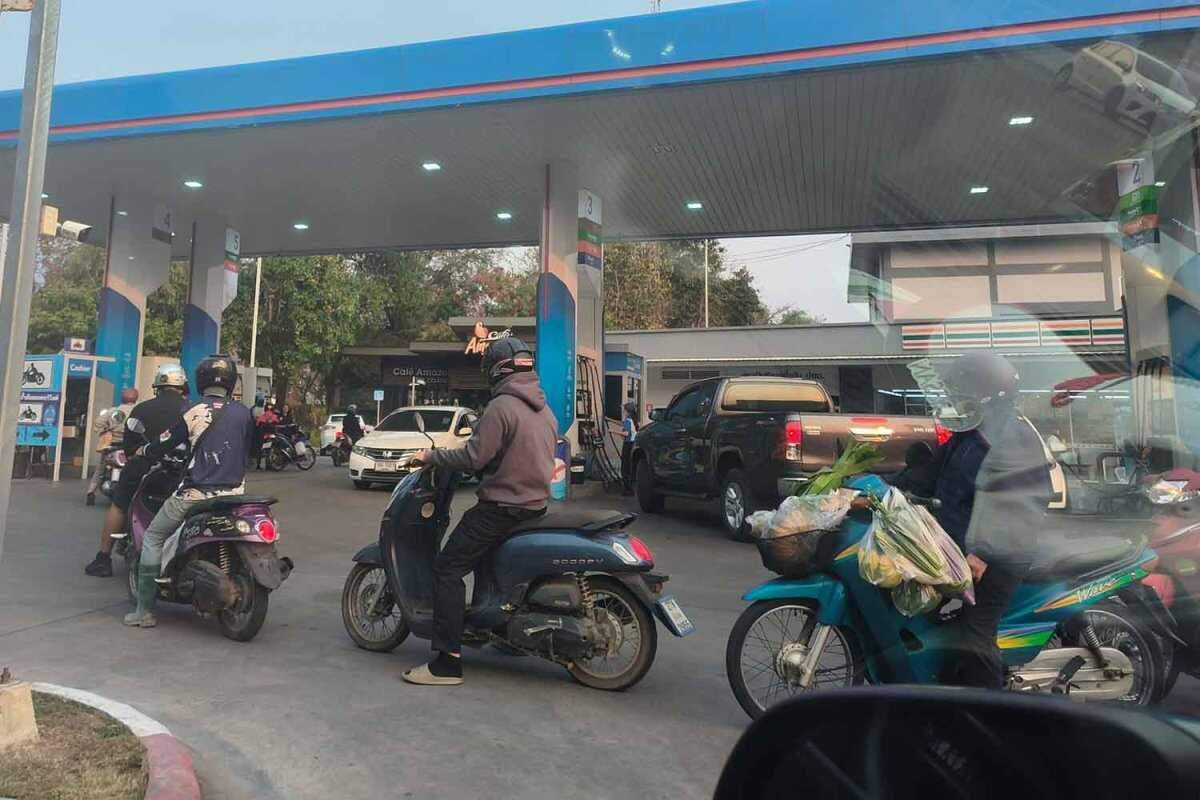
Escalation of the conflict involving the United States, Israel, and Iran in the Middle East is triggering a wave of anxiety in Thailand. Fears of disruptions to global energy supplies, especially through the Strait of Hormuz, have sparked panic buying, price surges, and concerns about a logistics crisis in the ‘Land of the White Elephants’. Although the Thai government says national energy reserves remain adequate, grassroots pressure is rising. In Chiang Mai, long queues at petrol stations have been observed since Wednesday morning (4 March) as residents rush to fill up their tanks amid fears of imminent shortages.
Senator Chaiyong Maneerungsakul, who is also the spokesperson for the Senate’s Military and Security Committee, warned of vulnerabilities in energy supply in the southern region. Nationally Thailand has oil reserves sufficient for about 60 days, but distribution in the south—particularly in Surat Thani and Songkhla—may only withstand 15 days if global supply chains are disrupted.
As a former wholesale oil trader, Chaiyong understands the energy logistics in those areas well. He emphasised that prolonged Middle East escalation could force the government to implement rationing to safeguard local stocks.
“This situation demands high preparedness. If distribution is curtailed, depots in the south will face heavy pressure within two weeks,” he said. “People may not be completely short of oil, but the impact will be felt in the price,” he added. He foresees possible restrictions on service-station operational hours and up to a 50% cut in fuel deliveries should the situation deteriorate.
The small-scale industrial sector is already feeling the impact. Oranuch Deeduaychat, a livestock feed entrepreneur in Nakhon Ratchasima, said she has instructed staff to stockpile diesel to safeguard heavy equipment operations. If conditions do not improve, she warned, she may raise product prices to survive. Diesel prices at the local level have surged to 30.36 baht per litre, surpassing the government’s ceiling of 29.94 baht.
Prime Minister Anutin Charnvirakul said the Energy Ministry continues to monitor the situation closely. Yet business operators fear that ongoing disruption could drive up production costs and pass them on to consumers, fuelling national inflation. (Bangkok Post/B-3)