
Domestic Workers Protection Bill Set for Approval: Benefiting Employers or Domestic Workers?
JAKARTA, KOMPAS.com - The Domestic Workers Protection Bill (RUU PPRT) is set to be approved by the DPR. Does the bill benefit domestic workers (PRT) or also employers?
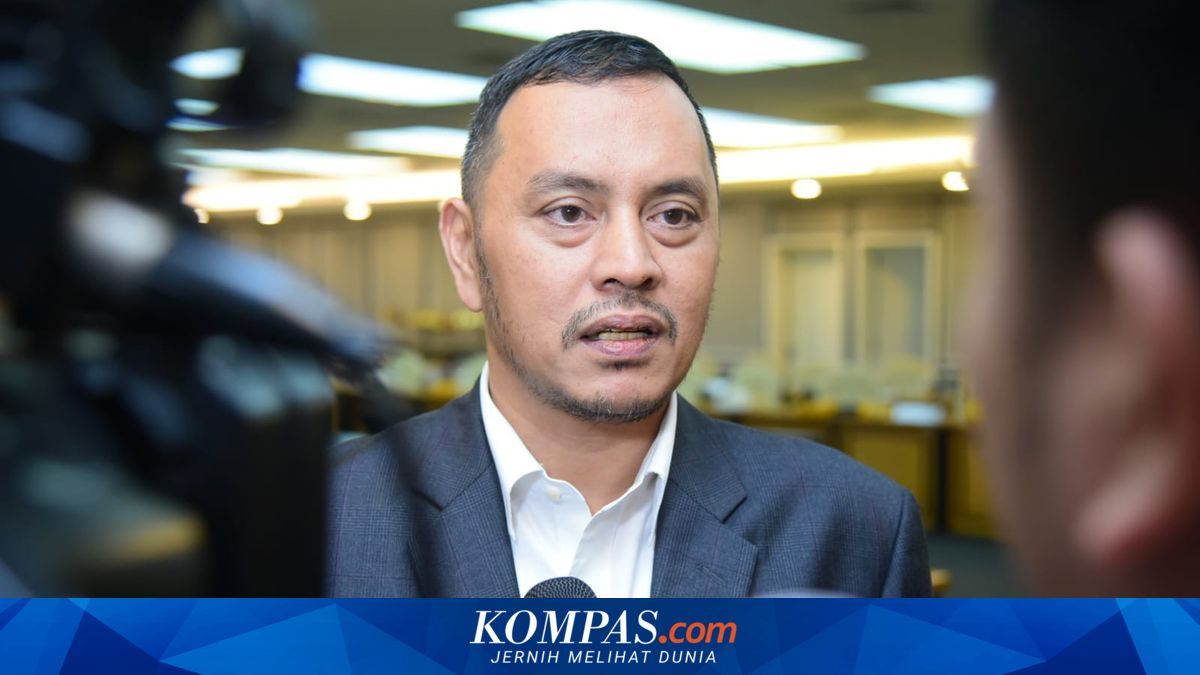
“Everyone benefits because it regulates PRT, employers, and the state,” said the Chairman of Commission XIII of the DPR, Willy Aditya, to Kompas.com on Tuesday (21/4/2026).
“Our hope is that this RUU PPRT can further humanise humanity, with no more modern slavery,” said this politician from the NasDem Party.
The commission on human rights has pushed for the completion of the RUU PPRT, which has finally been discussed in the DPR’s Legislation Body (Baleg) and is now set to be approved at the plenary level soon.
There are also regulations regarding wages. Placement companies for PRT must not deduct PRT wages. To prevent violence against PRT, the RUU PPRT stipulates that Neighbourhood Associations (RT) and Community Associations (RW) should also protect PRT in their areas.
Regarding age, PRT must be at least 18 years old unless they were already employed before this bill becomes law.
The following are the key points in the RUU PPRT as explained by the Chairman of the Baleg DPR, Bob Hasan, on Monday (20/4/2026) last night:
Regulations for the protection of domestic workers (PRT) are based on familial principles, respect for human rights, justice, welfare, and legal certainty.
Recruitment of PRT can be done directly or indirectly.
Every person who assists with work within the scope of household affairs based on customs, kinship, family, education, or religion is not considered as PRT as regulated in this law.
Indirect recruitment of PRT by PRT Placement Enterprises (P3RT) can be carried out through offline or online mechanisms.
PRT are entitled to health social security and employment social security.
Prospective PRT are entitled to receive education and vocational training from the central government, regional government, or PRT placement companies.