
Domestic Workers Protection Bill Regulates Social Security, Training, Wages, and Holiday Allowances for Domestic Workers
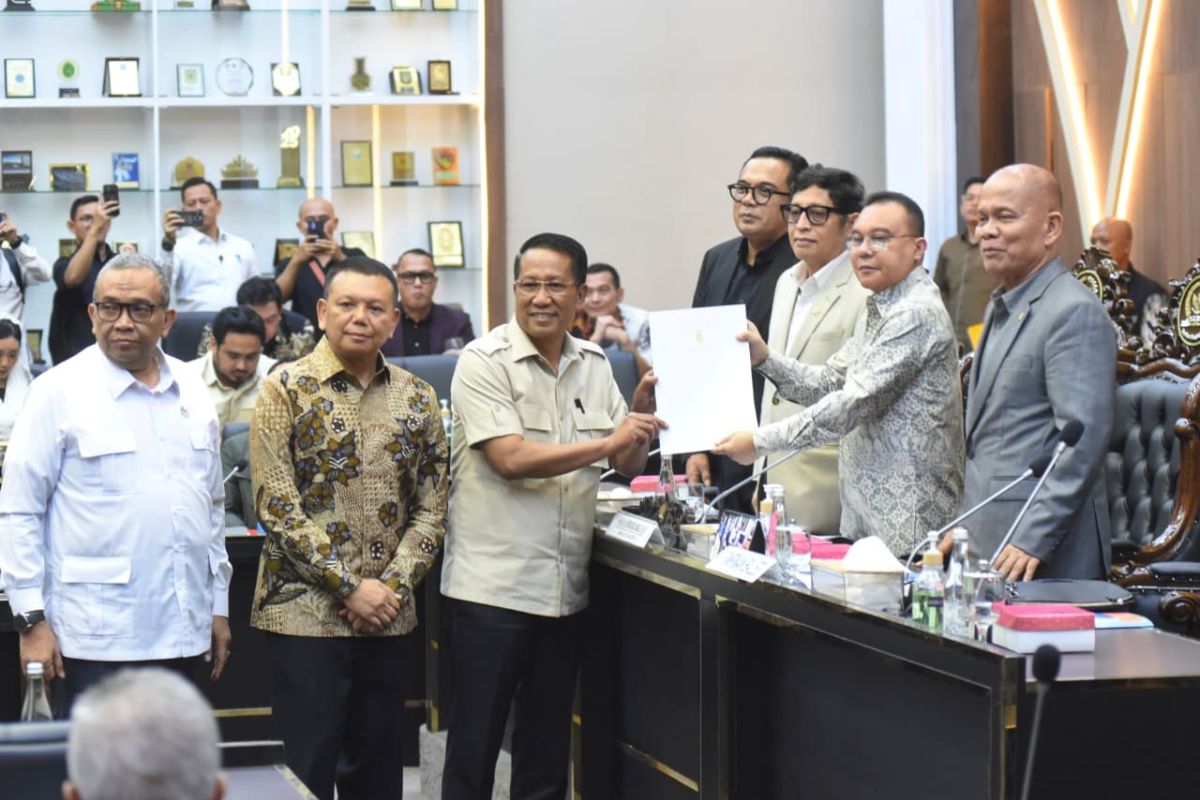
Jakarta (ANTARA) - The Bill on the Protection of Domestic Workers (RUU PPRT) has finally been officially approved by the Indonesian House of Representatives (DPR RI) to be enacted as a law after approximately 20 years of deliberation.
With the approval of this law, the state now officially recognises the existence of domestic workers (PRT) as workers who must be protected. As is well known, there have been numerous cases of domestic workers experiencing violence and uncertainties in wage payments.
The approved RUU PPRT consists of 37 articles divided into 12 chapters. Various regulations regarding domestic workers are comprehensively outlined in the bill, which also stem from aspirations of the public, DPR, as well as associations and organisations working in the field of domestic worker protection.
Article 2 emphasises that the protection of domestic workers must be based on human rights, encompassing justice, welfare, and legal certainty. Article 3 also stipulates that domestic workers must be free from threats of discrimination, exploitation, violence, and harassment.
The bill also regulates the recruitment requirements for domestic workers. Article 5 states that recruitable domestic workers must be at least 18 years old, and recruitment must be conducted through domestic worker placement companies (P3RT).
On the other hand, the bill includes several facilities that domestic workers can receive in their employment, including health social security and employment social security. This is regulated in Article 15 Paragraph 1 letters g and h as rights for domestic workers.
Article 16 further states that contributions for health social security are provided to domestic workers as recipients of premium assistance borne by the central government or regional government in accordance with applicable laws and regulations.
Meanwhile, contributions for employment social security, as mentioned, are borne by the employer in accordance with the agreement or work contract.
In addition, the bill regulates training and vocational development for domestic workers, which is covered in a dedicated chapter. Article 23 explains that vocational training for prospective domestic workers and domestic workers aims to provide work competencies (skilling), shift work competencies (reskilling), and/or enhance work competencies (upskilling) within the scope of domestic work.
This vocational training is provided by government training institutions under the central government, regional government, or private entities. It must also be incorporated into the policies and annual work programmes of the relevant ministries.
Another important aspect regulated is the amount and procedure for wage payments, in accordance with the agreement or work contract. Under Article 16, domestic workers are also entitled to religious holiday allowances (THR) in the form of money.
In its concluding section, the bill mandates that all implementing regulations of this law must be established no later than one year after the law comes into effect.
Previously, the 17th Plenary Session of DPR RI for the Fourth Session Period of 2025-2026 approved the enactment of the RUU PPRT into law on Tuesday (21/4).
The entire inventory of issues (DIM) for the RUU PPRT was finalised by the DPR RI Legislation Body (Baleg) on Monday (20/4) evening.