
Domestic Workers Protection Bill: Proposals Include Fair Wages, Social Security and Leave Entitlements
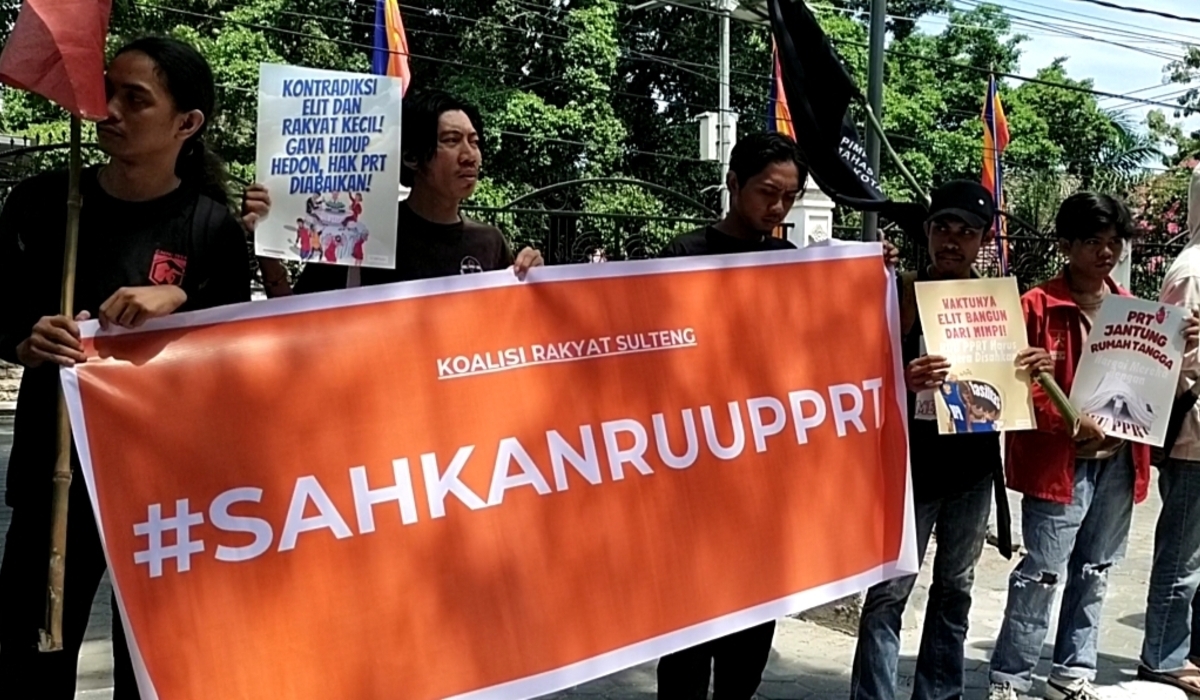
The Legislative Body (Baleg) of the House of Representatives continues to refine the drafting of the Domestic Workers Protection Bill (RUU PPRT). Based on public hearings, several critical proposals ranging from standardised fair wages to guaranteed social security have become key priorities championed by various stakeholders.
During the 2024-2029 parliamentary term, Baleg has held over 10 drafting sessions involving ministries, agencies, and activist organisations to implement the principle of meaningful participation.
The Ministry of Labour (Kemenaker) serves as a crucial pillar in drafting the legislation. The ministry has proposed that the RUU PPRT clearly regulate fair wage standards and specific work agreements that account for the diverse characteristics of domestic workers and their employers.
The Health and Employment Social Security agencies (BPJS) are pushing for mandatory obligations on domestic worker placement companies and employers to ensure domestic workers receive social protection coverage. Under Presidential Regulation No. 82 of 2018 on Health Insurance, workers are defined as wage earners regardless of formal or informal status. Consequently, BPJS contributions are proposed to be borne by employers to mitigate occupational risks faced by domestic workers.
The Indonesian Women Politicians Caucus (KPPI) is advocating for domestic worker protections to include safeguarding against physical, psychological, and sexual violence. KPPI also demands access to basic necessities such as drinking water, nutritious food, and adequate accommodation.
Additionally, domestic worker placement companies must be prohibited from exploitative practices such as human trafficking, forced labour, and fraud. Both administrative and criminal sanctions are proposed for violators.
From a social safety net perspective, the Ministry of Social Affairs (Kemensos) proposes that local government heads conduct real-time data collection of domestic workers. This measure aims to ensure government social assistance reaches domestic workers in need effectively.
Regarding dispute resolution, a written mediation mechanism with clear timeframes is proposed. If mediation fails, disputes will proceed to formal legal channels to create a fair and transparent system.
Previously, House Speaker Puan Maharani signed off on the RUU PPRT as a House initiative during the 16th Plenary Session of the Fourth Meeting Period of the 2025-2026 Parliamentary Term on 12 March 2026. This step signals positive momentum for strengthening domestic worker protections in Indonesia.
The Minister of Women Empowerment and Child Protection, Arifah Fauzi, stated that International Women’s Day should serve as a reminder of the struggle to pass the RUU PPRT. The House of Representatives has committed to completing the bill this year, according to Baleg Chair Bob Hasan. The legislation, pending for over two decades, addresses the need to recognise domestic workers as formal employees in accordance with International Labour Organization Convention 189.