
Domestic Workers Protection Bill becomes DPR initiative, reaffirms safeguards and guarantees for household assistants
Jakarta — The Draft Law on Protection of Domestic Workers (RUU PPRT) has been approved as an initiative of the Indonesian House of Representatives (DPR RI), which will subsequently reaffirm protections and guarantees for household assistants (ART).
The approval was adopted during the 16th Plenary Session of the DPR RI in the fourth session of the 2025–2026 parliamentary term at parliament complex in Senayan, Jakarta, on Thursday, after representatives from each political party faction presented their views.
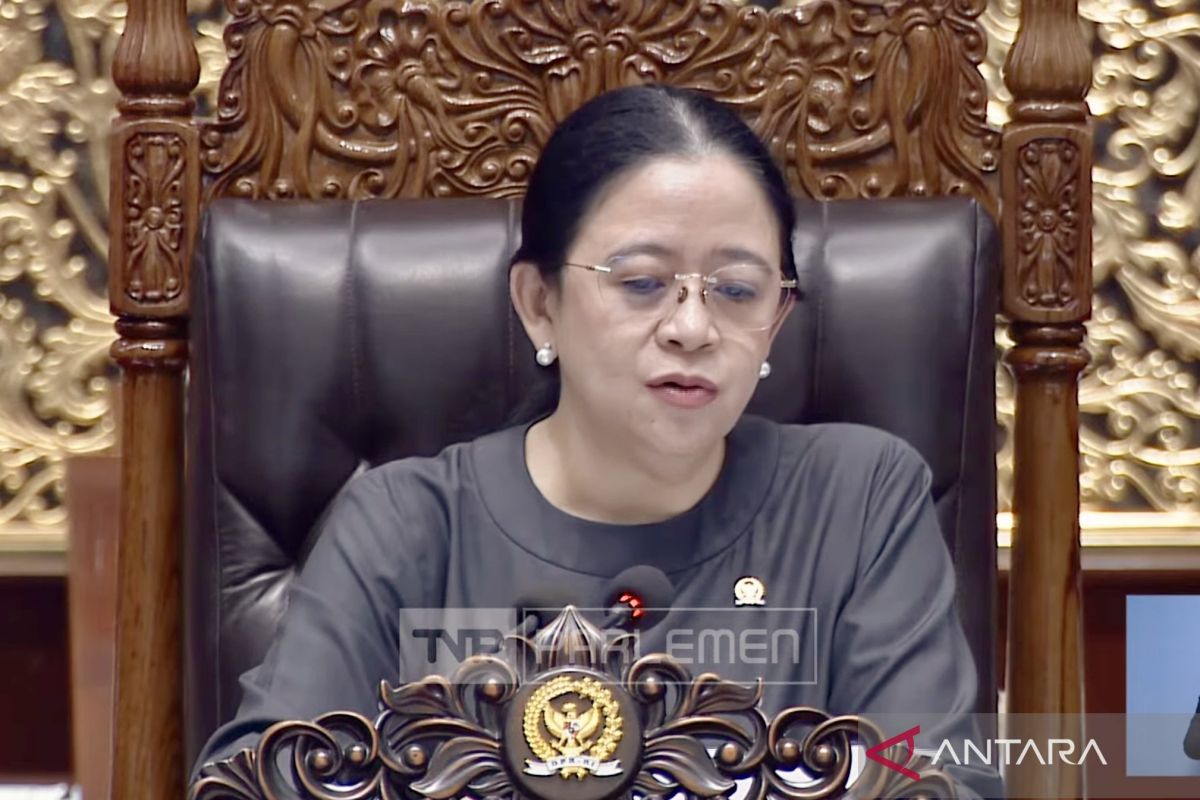
“Is the draft law proposed by the Legislative Body of the DPR concerning Protection of Domestic Workers able to be approved as a draft law initiative of the DPR RI?” asked DPR Speaker Puan Maharani as she struck the gavel to signal endorsement.
In a written statement, Puan explained that the endorsement of the RUU PPRT as a DPR legislative initiative is an important step in strengthening legal protections for millions of domestic workers in Indonesia who have so far lacked comprehensive regulation.
“With the approval of this bill as a DPR initiative, further discussion will be conducted jointly with the government to produce legislation that provides legal certainty, protection, and respect for the rights of domestic workers,” she said.
The RUU PPRT has been championed for 22 years. President Prabowo Subianto pledged on Labour Day, 1 May 2025, to promptly enact the bill into law.
On the other hand, the domestic worker issue in Indonesia continues to persist and has become increasingly complex. Therefore, the RUU PPRT is intended to provide recognition, elevate the dignity and status, and provide protection to the domestic worker profession.
“With the good faith of the DPR RI on the RUU PPRT, domestic workers will have equal standing with employers and be recognised as workers, and naturally receive rights, especially protections for themselves,” she said.
This equal standing is considered important given that, according to data from the National Network for Domestic Worker Advocacy (Jala PRT), the number of domestic workers in Indonesia reaches 4.2 million, whilst according to the Ministry of Labour this figure could be higher at around 8–10 million people, including those not yet recorded.
Puan assessed that such data is highly significant as it concerns the fate of domestic workers trapped in work that lacks clear guidelines and standards for labour practices.
Moreover, given that domestic workers have so far worked without legal protection, without oversight from authorities, without binding employment contracts, without job descriptions, with inhumane working hours and wages, and without days off.
“This places domestic workers in highly exploitative situations and conditions. Domestic workers are also a hidden problem, difficult to reach and neglected,” Puan said.