
Domestic Strategy Agency develops instruments to measure unemployment reduction performance
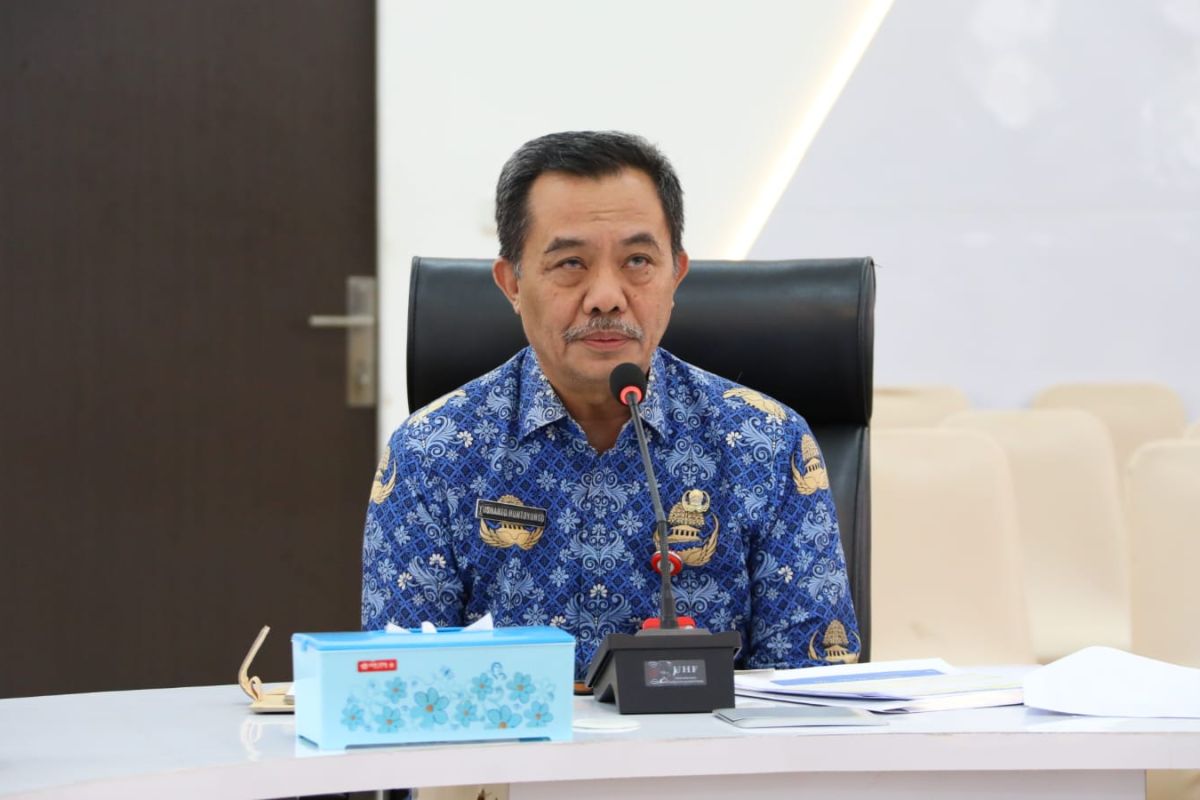
Jakarta - The Domestic Strategy Agency (BSKDN) within the Interior Ministry is currently developing instruments to measure the performance of local government authorities in efforts to reduce unemployment rates.
BSKDN Head Yusharto Huntoyungo emphasised that efforts to reduce unemployment in regions require an approach that not only examines final results but also the governance processes that support them.
“We greatly appreciate the efforts that regions have made in reducing unemployment rates. However, more comprehensive measurement instruments are needed so that these achievements can be assessed objectively and sustainably,” said Yusharto at the BSKDN Command Centre in Jakarta on Tuesday.
According to him, performance measurement must encompass various dimensions ranging from policy planning, programme implementation, budgeting support, to regional innovation in the employment sector.
This was conveyed during a Current Discussion Forum entitled “Measurement and Evaluation of Local Government Performance in Reducing Regional Unemployment Levels”, where BSKDN encouraged the development of comprehensive and data-driven instruments to measure the success of local government performance.
He also emphasised the importance of cross-sector collaboration in developing such measurement methodology, including with academic institutions and relevant ministries and agencies. Yusharto hopes that support from various parties in designing indicators and the availability of adequate data can support the field observation process.
“We are very open to improving existing indicators. Strong data support is key so that measurement results can be more comprehensive,” he said.
Furthermore, Yusharto explained that performance measurement should not only be viewed from the perspective of the open unemployment rate but also from the perspective of increased employment opportunities.
“We want to look at both aspects - both the open unemployment rate and the employment opportunities aspect - this is important so that resulting policies are more precisely targeted,” he explained.
Meanwhile, Senior Researcher at The SMERU Research Institute Asep Suryahadi emphasised the importance of indicators capable of addressing employment challenges in a more specific and contextual manner.
According to him, several important indicators require attention, including youth unemployment rates which are far higher than the national average, the low participation rate of female workers which tends to be stagnant, and the dominance of workers in the informal sector who lack job security and are vulnerable to market shocks.
He assessed that without appropriate indicators, efforts to measure regional performance risk failing to capture the root causes of actual employment problems.
“There are indicators that need attention so that employment challenges can be addressed appropriately,” he noted.
In line with this, a representative from the Ministry of Manpower, M. Mustafa Sarinanto, stated that the national unemployment trend shows improvement post-pandemic, although challenges remain regarding job quality.
“Unemployment did increase since the COVID-19 pandemic, but it is now beginning to level off. From 2021 to 2025, the unemployment figures show a downward trend. However, most labour absorption still occurs in the informal sector with relatively low wage levels,” explained Mustafa.
He also highlighted that the still-high dominance of the informal sector and its tendency to stagnate serves as an indicator that the labour market has not fully shifted towards greater productivity.
“This indicates that we are not only discussing reducing unemployment figures but also job quality. Therefore, measurement cannot rely solely on Sakernas (National Labour Force Survey) data but requires a broader and more integrated approach,” he concluded.