
Domestic Investment Drives Padang's Economic Growth in West Sumatra
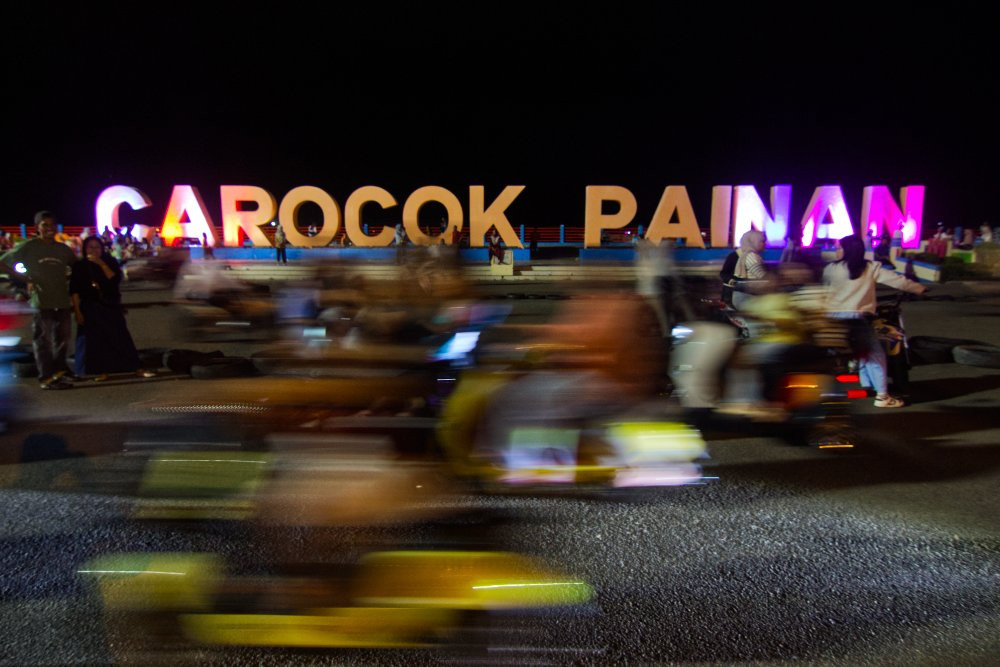
Bisnis.com, PADANG - Government of Padang City, West Sumatra, stated that the investment climate in the area has shown a positive trend since the start of 2026. Head of Padang City’s Investment and One-Stop Service Agency (DPMPTSP), Fauzan Ibnovi, noted that investments entering Padang during Q1 2026 exceeded Rp643 billion. ‘This investment performance sets a good path, with a positive trend at the start of the year. We hope this condition continues in the following quarters,’ he said on Friday (29 May 2026). He explained that the investment figures were dominated by Domestic Investment (PMDN) at Rp524 billion, with Foreign Investment (PMA) contributing approximately Rp119 billion. Fauzan noted that although Padang’s investments are dominated by domestic sources, the foreign contribution indicates the city is effective in attracting foreign investment. ‘When broken down by sector, Padang’s investments are dominated by the tertiary sector (services), accounting for 96.24% of total incoming capital,’ he explained. The secondary sector contributed 4.66%, followed by the primary sector at 0.11%. The role of these sectors has helped drive Padang’s economy. Regarding the positive investment climate, Bank Indonesia noted West Sumatra’s Q1 2026 economic growth of 5.02%, indicating the region’s economic machinery is functioning well in several sectors. BI West Sumatra Chief, M. Abdul Majid, said according to data released by Statistics Indonesia (BPS), West Sumatra’s economic growth was driven by significant growth in the accommodation and food service sector at 17.77%. ‘The double-digit growth in accommodation and food services must be taken note of by local government. If there are stimuli, incentives, or positive shocks, this sector can accelerate further,’ he said. Majid noted that the accommodation and food service sector can have ripple effects on the agricultural supply chain, and investments that improve infrastructure quality and production capacity. However, the challenge is maintaining the performance of the accommodation and food service sector throughout 2026. The agricultural sector must also be protected from El Niño effects while sustaining productivity through fertilizer application, superior seeds, technology adoption, and pest control. ‘Therefore, the accommodation and food service sector must be maintained by fostering a conducive tourism climate. Major events such as Tour de Singkarak and the 100th anniversary of Jam Gadang should be actively organised by local government,’ he said. Majid also stated that investment sectors must be expanded, such as optimising Teluk Bayur Port, maintaining the pace of Sintinjau Lauik development and other infrastructure, and harmonising policies between the West Sumatra provincial government and 19 regencies and cities to develop the investment and business climate. ‘The key is ensuring all these sectoral engines continue to run well,’ he stressed. BI noted that labour absorption in West Sumatra has improved, but challenges remain as formal employment remains below 40% of the total workforce, with over 60% still informal. Therefore, with the rise of food and beverage SMEs, it is crucial to maintain them through increased purchasing power, especially among millennials, consumption campaigns, and more events to attract tourists to Sumatra.