
Doha-Dubai Paralyzed by Missiles, Medicine Crisis Looms Over Middle East
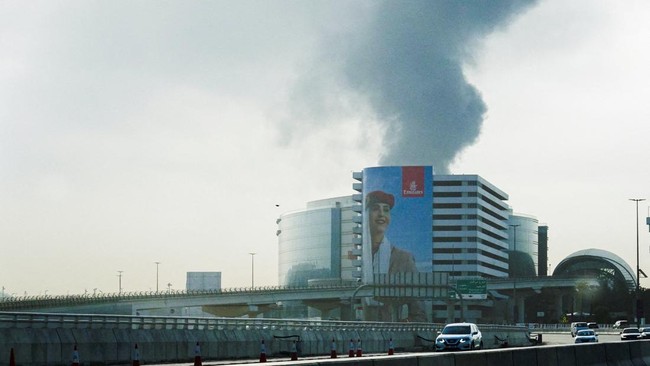
Saudi aviation authorities are taking on the role of the main alternative route for distributing medicines to countries in the Gulf region. This measure comes after major global logistics airports such as Dubai, Abu Dhabi, and Doha were completely paralysed due to drone and missile attacks from Iran.
Riyadh and Jeddah airports remain open to receive shipments from pharmaceutical companies. The medicines can then be transported by road to their destinations. Other options include Istanbul and Oman.
Citing Arab News, Prashant Yadav, Senior Fellow for Global Health at the Council on Foreign Relations, is directly monitoring the threat of a medical supply crisis in the Middle East region due to these flight disruptions. He noted that medicines for critical illnesses like cancer are at the highest risk of shortages if logistics routes are not quickly restored.
“Some medical facilities are warning that they could run out of supplies in four to six weeks,” said Yadav, as cited by Arab News on Saturday (21/3/2026).
Yadav stated that delays in delivering oncology drugs could have dire consequences for patients, who might be forced to restart therapy or see their cancer worsen.
He said the disruptions are already a problem for some companies, with several customers warning that they could deplete stocks in four to six weeks if conditions do not improve.
The Gulf region has long relied heavily on imports of medical supplies that require strict cold-chain storage with short shelf lives. With the main connecting airports in Dubai and Doha unable to operate, pharmaceutical cargo shipments are now being diverted to Riyadh and Jeddah airports, which remain open, for subsequent distribution to destination countries by land routes.
“Industry data shows that more than one-fifth of global air cargo, the main route for critical or life-saving drugs and vaccines, is exposed to disruptions in the Middle East,” explained Wouter Dewulf, Professor at Antwerp Management School.
The pharmaceutical industry is now working hard to prioritise shipments of vital medicines for patients by rerouting Europe-Asia logistics via China or Singapore. Using sea routes is deemed impractical due to excessively long travel times and Iran’s closure of strategic waterways in the Strait of Hormuz.
“If you have urgent operations with patients awaiting treatment, you must choose faster modes of transport,” stated an executive from a medical equipment company.
Currently, more than 100 participants from the pharmaceutical and logistics industries joined a webinar last week organised by Pharma.Aero, a life sciences logistics group, to discuss the Gulf crisis and its implications for supply chains and transportation.