
Dog Robots Begin Securing Data Centres, Capable of Detecting Damage and Threats
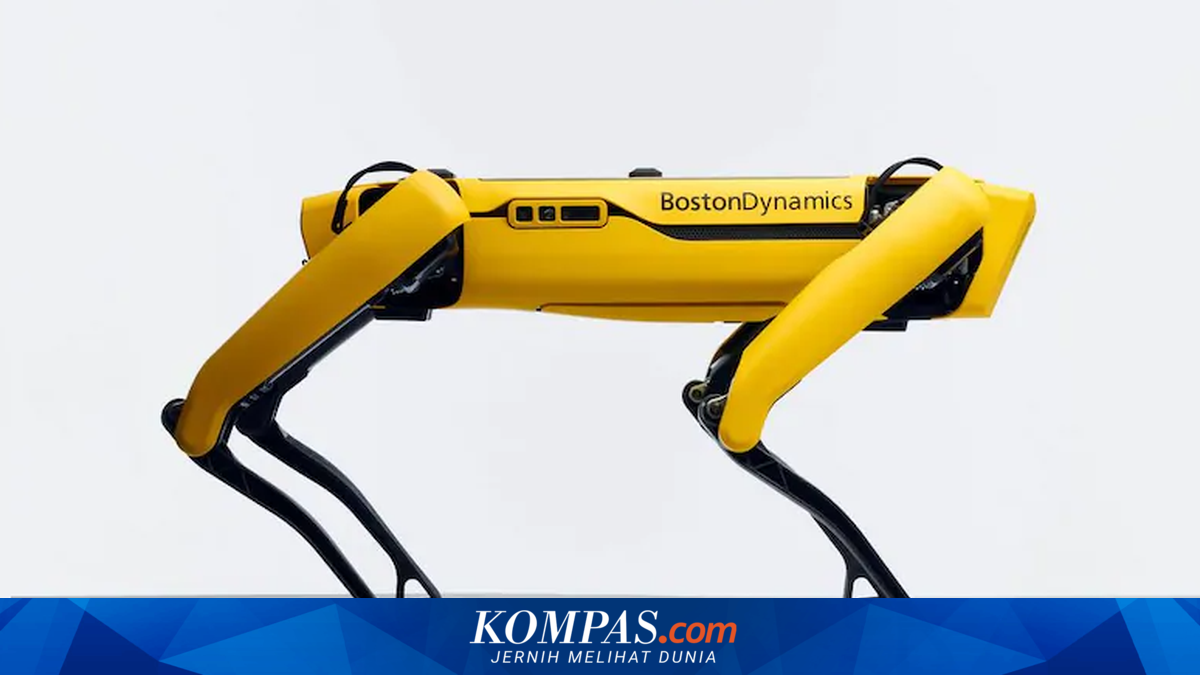
Robotics companies are reaping benefits amid the artificial intelligence (AI) technology trend. Robots are now used to monitor data centre infrastructure that supports AI technology.
One example is the “Spot” dog robot developed by Boston Dynamics.
Spot is deployed in data centre facilities for patrolling, inspecting equipment, and identifying issues before the data centre encounters serious problems.
At Novva Data Centers in Utah, United States, which spans an area of 139,354 square metres, Spot performs automated missions.
These missions involve collecting data, monitoring equipment, and reporting unusual activities, including detecting temperature anomalies using thermal sensors, and alerting human staff to anomalies.
According to Boston Dynamics, interest from the data centre industry in the Spot robot has increased over the past year.
In addition to patrolling, some data centres are seeking robots capable of other tasks, such as inspecting industrial equipment, mapping locations, monitoring construction, and identifying security issues.
The Spot robot is priced starting from $175,000 (approximately Rp 2.9 billion) to $300,000 (approximately Rp 5 billion), depending on the payload installed on the robot.
Not just Spot, the Vision 60, a robot resembling a dog from Ghost Robotics, has also been used in a small number of data centres, particularly for securing outdoor areas.
This robot patrols along data centre fences, detects fence damage, searches for suspicious packages, detects intruders, and sends video to the control room.
The Vision 60 is priced starting from $165,000 (approximately Rp 2.7 billion), depending on its configuration.
Michael Subhan, Chief Growth Officer of Ghost Robotics, emphasised that the Vision 60 is not intended to replace human security guards, but rather to complement mobile guards.
“We do not have a mission to replace human guards. We are more like a complement,” said Subhan.
A similar sentiment was expressed by Frayne from Boston Dynamics, adding that staff can view live video from Spot’s perspective in the control room.
The main advantage of these robots is their mobility. On a single charge, the robot can cover several kilometres and operate in various extreme weather conditions, both hot and cold.
In the US alone, there are around 5,000 data centres, with 800 to 1,000 new facilities under construction.
Nevertheless, widespread deployment of these robots is still far from reality. Clearly, both Boston Dynamics and Ghost Robotics have opportunities to tap into the potential market for four-legged robots in data centres.