
Does Measles Really Make Children Light Sensitive? Here's the Research
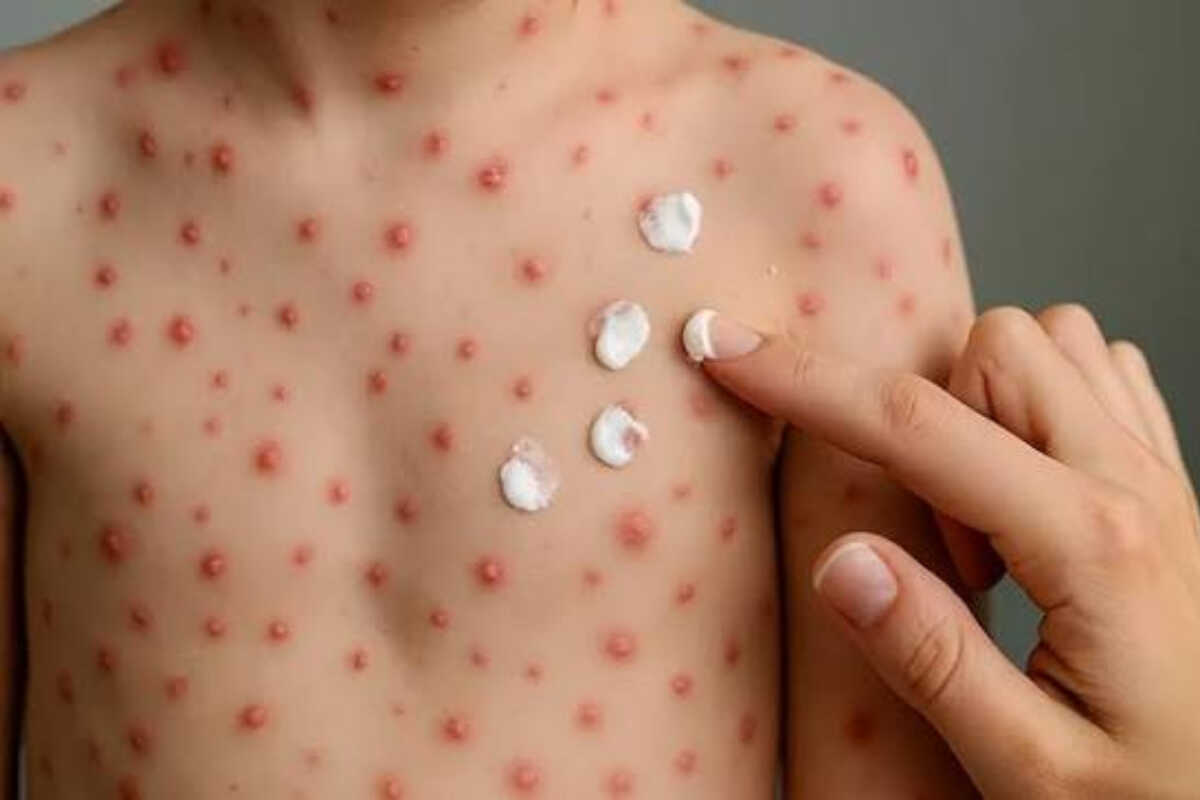
Measles cases have resurfaced as a concern in various countries. This disease, caused by viral infection, is highly contagious and typically affects children who have not received complete vaccination. In addition to high fever and red rash on the skin, some children also experience red eyes and sensitivity to light.
According to the Centers for Disease Control and Prevention (CDC), measles is often accompanied by conjunctivitis, or inflammation of the eyes. This condition causes the eyes to become red, watery, and sore when exposed to bright light. Sensitivity to light, or photophobia, is part of this inflammatory response.
The CDC explains that eye symptoms occur because the measles virus does not only attack the respiratory tract but can also affect other body tissues, including the eyes. This means that light sensitivity is not merely a minor complaint but rather part of the ongoing infection process.
In its clinical guidelines, the CDC notes that vitamin A does not prevent measles and is not a substitute for vaccination. However, in children already infected, high-dose vitamin A supplementation may be recommended to help reduce the risk of complications.
The World Health Organization (WHO) emphasises the same point. The WHO recommends vitamin A supplementation in children with measles, particularly in regions with malnutrition risks. The aim is to reduce the risk of serious complications, including eye damage, and to improve recovery prospects.
It should be emphasised that vitamin A is administered in specific medical doses and under the supervision of healthcare professionals.
Carrots contain beta-carotene, which the body converts into vitamin A. Generally, this intake is beneficial for eye health and immune function. However, the vitamin A content from consuming ordinary carrots is not equivalent to the therapeutic doses used in treating measles.
Neither the CDC nor the WHO identifies carrot consumption as a specific therapy for alleviating photosensitivity caused by measles. Nutrition remains important, but medical treatment and monitoring remain the primary steps.
Global health authorities emphasise that vaccination is the most effective way to prevent measles. If a child shows symptoms of measles accompanied by light sensitivity in the eyes, consultation with a healthcare facility remains necessary.
Health information should be viewed based on scientific evidence. Carrots are healthy to consume, but in the context of measles, medical care remains the primary priority.
Fifteen U.S. states have sued the Trump administration over reduced recommendations for childhood vaccines. The policies of Robert F. Kennedy Jr. are considered unscientific and risky.
Vaccines such as RSV, hepatitis A, hepatitis B, dengue, and meningococcal are administered based on specific risks.
Whooping cough cases in the United States exceeded 25,000 throughout 2025, surpassing pre-pandemic levels.
CDC Director Susan Monarez was removed from her position one month after taking office.
By February 2025, 68 child deaths from influenza had been recorded, with nine experiencing brain complications. The CDC emphasises the importance of flu vaccination.
In 2024, the first dose of measles-rubella (MR1) vaccine coverage was recorded at 92 per cent, whilst the second dose (MR2) only reached 82.3 per cent.
The Director of the Communicable Disease Control Directorate, the health authority for Western Australia in Perth, issued a measles alert for residents on 12 February 2026.