
Does Matcha Really Give You Glowing Skin? Here's What an IPB Expert Says
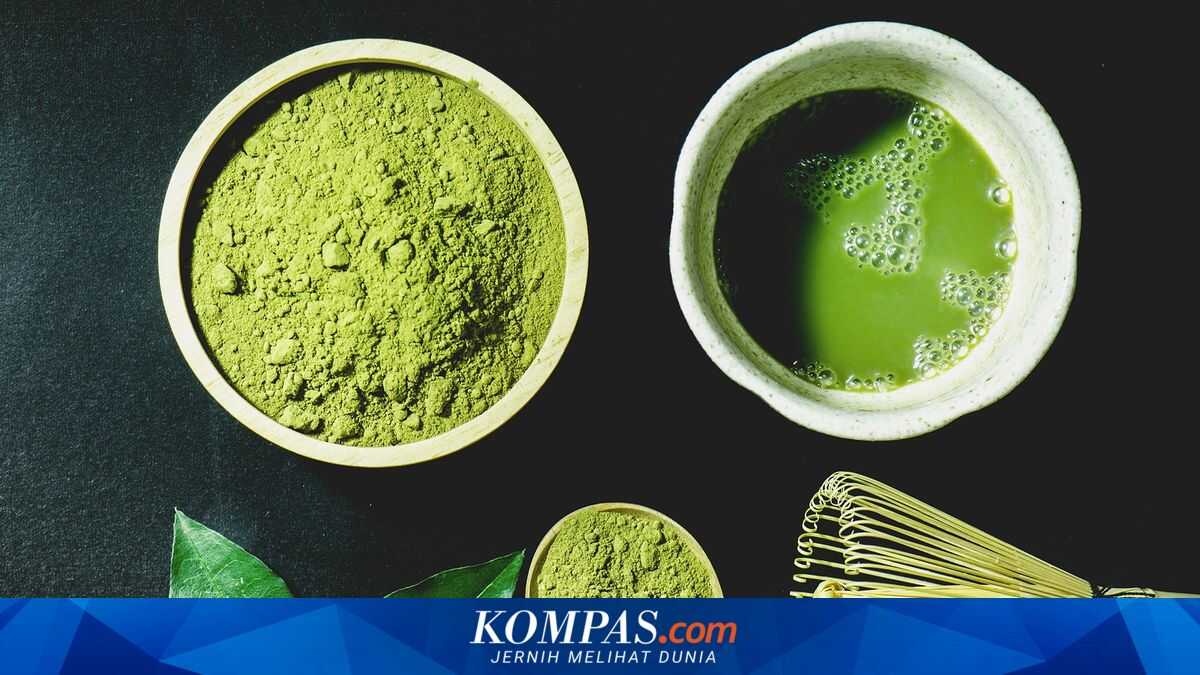
The trend of consuming matcha is becoming increasingly popular, especially among young people and health enthusiasts. This Japanese green tea powder is often claimed to be able to make skin glow, prevent acne, and even provide anti-aging effects. Many social media posts promote matcha as a “natural beauty secret.”
But is it true that matcha can really make skin brighter and healthier?
Professor Nuri Andarwulan, from the Department of Food Science and Technology at the Faculty of Engineering and Technology at IPB University, provides a science-based explanation of these claims.
According to Professor Nuri, matcha is not just ordinary green tea. Its production process is different and quite unique.
“Matcha is a green tea powder produced through a special process. There is a shading treatment for about three to four weeks before harvesting to increase its chlorophyll content (shade-growing). After drying, the leaves are ground very finely into a powder,” said Professor Nuri.
This shading process increases the levels of chlorophyll and several bioactive compounds in the tea leaves. Because matcha is consumed in its whole powder form—not just as a brewed drink—its nutrients are also consumed entirely.
“Matcha contains higher levels of catechins. The EGCG in matcha can reach more than 120 mg per gram, which is higher than ordinary green tea,” she explained.
Catechins, especially epigallocatechin gallate (EGCG), are powerful antioxidant compounds that have been widely studied for their potential health benefits.
Free radicals can appear due to exposure to ultraviolet (UV) rays, air pollution, stress, and an unbalanced lifestyle. If excessive, free radicals can damage collagen and elastin in the dermis—the middle layer of the skin that plays a role in maintaining firmness and elasticity.
This collagen damage triggers premature aging, dull skin, and the appearance of wrinkles.
“Polyphenol compounds help to neutralize free radicals, thereby reducing inflammation and maintaining collagen integrity,” said Professor Nuri.
In theory, by reducing oxidative stress and inflammation, skin condition can be better maintained. However, these benefits do not occur instantly.
Although rich in antioxidants, Professor Nuri emphasizes that the effectiveness of matcha in the human body is not as simple as it seems.
Phenolic compounds such as EGCG have relatively low bioavailability or absorption rate.