
Does Bleeding Invalidate a Fast?
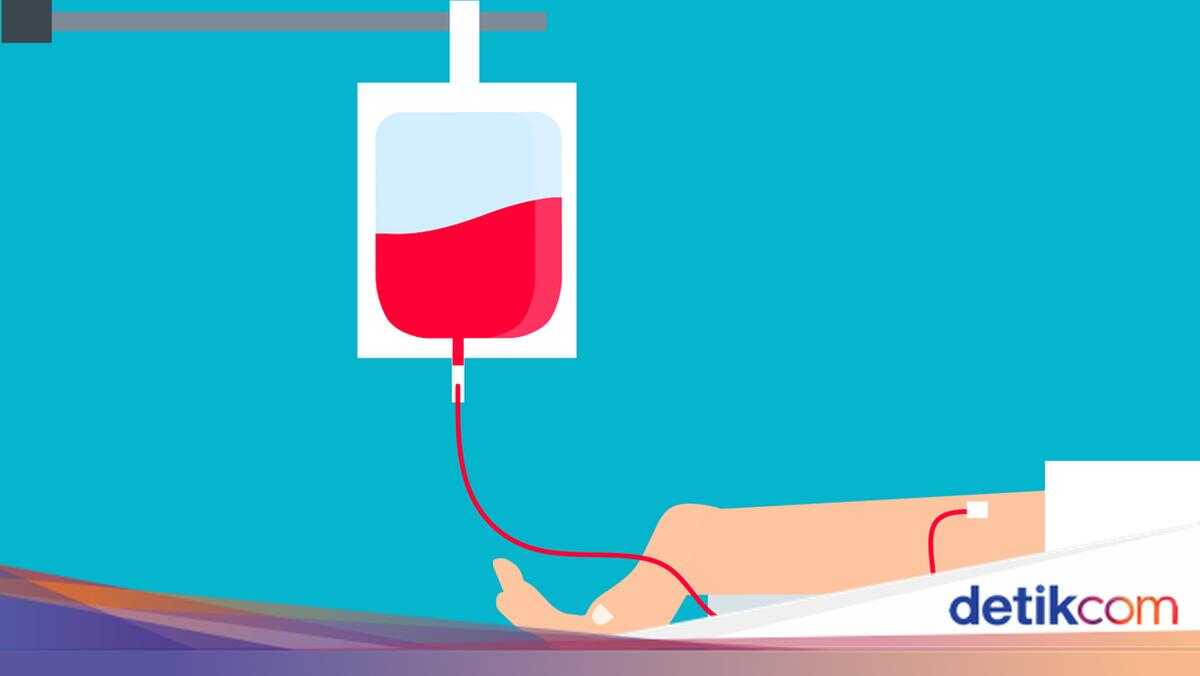
The human body, largely composed of blood, may experience bleeding. Does this invalidate a fast during Ramadan? It’s important to understand the cause of the bleeding, whether it’s a natural process or an incidental event. Knowing the cause will provide peace of mind while fasting.
According to various sources, here’s an overview of the rulings regarding bleeding during fasting.
Conditions of Bleeding That Invalidate a Fast
Women naturally experience a monthly cycle called menstruation. During this time, women experience bleeding from the shedding of the uterine lining due to the absence of fertilization. This is a normal condition that lasts for several days.
In addition to menstruation, there is also the postpartum period. This is a period of recovery after a woman has given birth. This phase is crucial because women experience bleeding after childbirth.
Both of these conditions are included in the 10 conditions that invalidate a fast, as mentioned in the book Matan Abi Syuja. In these conditions, a Muslim is not permitted to perform any obligatory worship, including fasting.
In fact, if menstruation occurs a few minutes before the time of Iftar (breaking the fast), then she is required to immediately break the fast. After being free from menstruation or postpartum bleeding, the Muslim woman must continue the fast (if it is still Ramadan) and make up for it on another day according to the number of days of fasting that were missed.
Sheikh Zakaria Al-Anshari, a scholar of the Shafi’i school of thought, wrote in the book Asna Al-Mathalib Syarah Rawdu At-Thalib about bleeding from the gums. If a person’s gums bleed, and then the blood is swallowed, then the fast is invalidated. However, if the gum bleeding occurs continuously, then it is obligatory for him to continue fasting while trying to stop the gum bleeding.
Conditions of Bleeding That Do Not Invalidate a Fast
In principle, introducing foreign objects into the body through openings such as the mouth, anus, genitals, and nose invalidates the fast. What if there is a wound caused by being cut by a sharp object, such as a knife or needle on a body part and requires treatment?
Muhammad Zainul Millah from the Ulum Islamic Boarding School in East Java, explained that this condition does not invalidate a person’s fast. His opinion was taken from Dar Ihya’il Kutub Al-Arabiyah that “If he puts medicine into the wound on the calf, or inserts a knife into it until it reaches the marrow, then his fast is not invalidated because it is not a body cavity. If he stabs himself, or someone else stabs him with his permission, and the knife is inserted into the inner part of the abdomen, then that invalidates the fast.”
What about blood donation? There are differing opinions on this. Some scholars forbid blood donation and consider it to invalidate the fast. However, others say it is makruh (disliked) or permissible if it does not cause harm.
If a person receives blood, then it will invalidate his fast. This is because the recipient of the blood donation will receive new substances from outside the body, which causes the fast to be invalidated.
The blood donor is not considered to have invalidated his fast because he has a valid reason or clear interest. The ruling on performing blood donation is the same as cupping, a health method that removes impure blood. However, the opinion that forbids blood donation or cupping is because it is feared that this condition will make the body weak, so the person will break his fast.