
Doctors warn of risks of blood sugar and cholesterol spikes after Eid
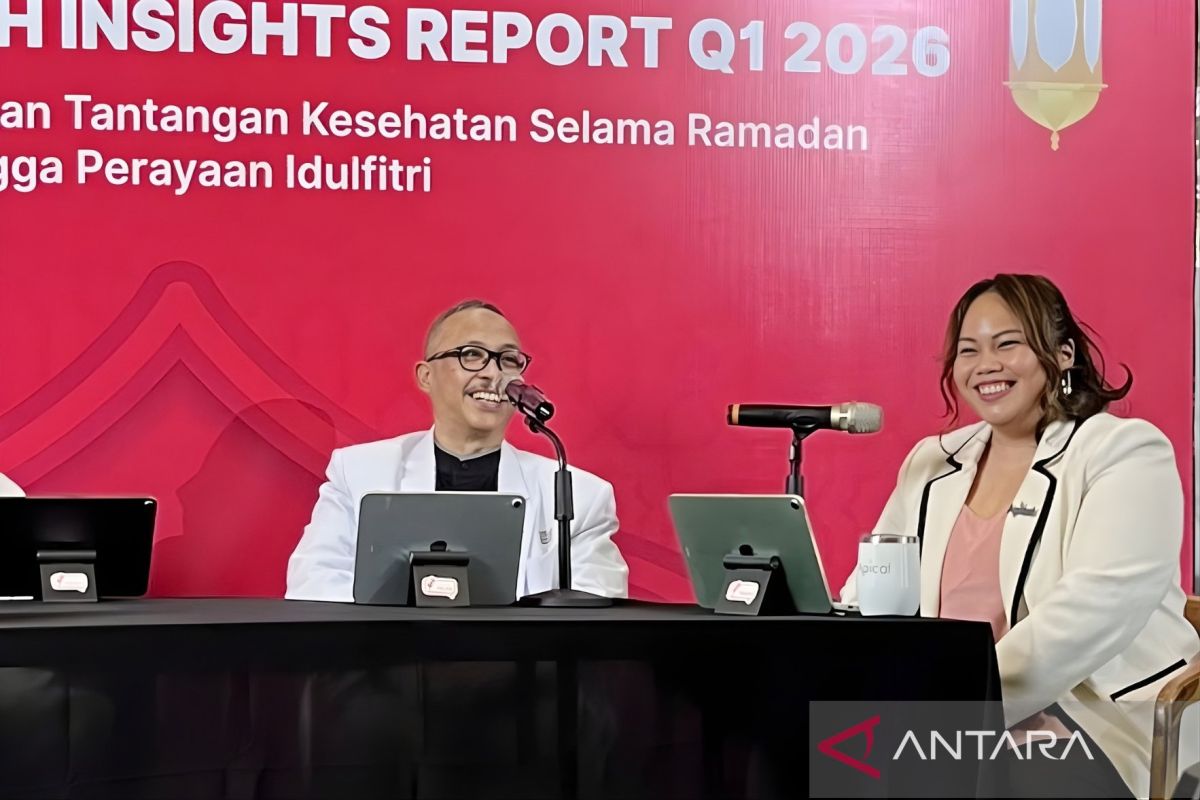
Jakarta — A specialist internal medicine physician at Halodoc, Dr Waluyo Dwi Cahyono, SpPD-KEMD, FINASIM, has cautioned the public against elevated blood sugar and cholesterol levels following the Eid al-Fitr celebration, citing significant dietary changes during the festive period.
According to him, alterations in eating patterns during Eid represent a primary factor in increased metabolic disorders. “Following Eid, intake of high-fat foods, coconut milk, sugar, and carbohydrates typically increases. If left uncontrolled, blood sugar and cholesterol levels can rise accordingly,” Dr Waluyo stated during Halodoc Talks titled “Transitioning Safely: Managing Ramadan Health Risks During Eid Festivities” in Jakarta on Tuesday.
He explained that a sudden spike in calorie intake over a short period can have significant effects, particularly for individuals with risk factors such as obesity, diabetes, or a history of elevated cholesterol. The body, which has previously adapted to fasting patterns, can experience metabolic changes when suddenly receiving excessive nutrient intake.
“The key is not prohibition, but portion control. Don’t fill everything with food. That’s what often triggers complaints after Eid,” said the physician, a graduate of Gadjah Mada University.
He also highlighted risks of digestive disorders such as constipation and diarrhoea resulting from high-fat and low-fibre food consumption. To prevent this, the public is advised to increase consumption of vegetables and fruits whilst maintaining adequate fluid intake.
Halodoc data from 2025 shows a significant surge in metabolic screening following Eid al-Fitr. In the week immediately after Eid, the number of cholesterol and blood sugar tests increased by up to 95 per cent compared to the average weekly figure during normal periods. In the second week, the surge remained at approximately 40 per cent.
According to Dr Waluyo, the increase in screening demonstrates growing public awareness, though preventative measures should still be implemented from the outset. He recommends that the public return to a balanced diet, limit high-fat and high-sugar foods, and engage in regular physical activity to stabilise metabolism following the extended holiday period.