
Doctors Warn Against Indiscriminate Use of High-Calorie Milk for Underweight Children
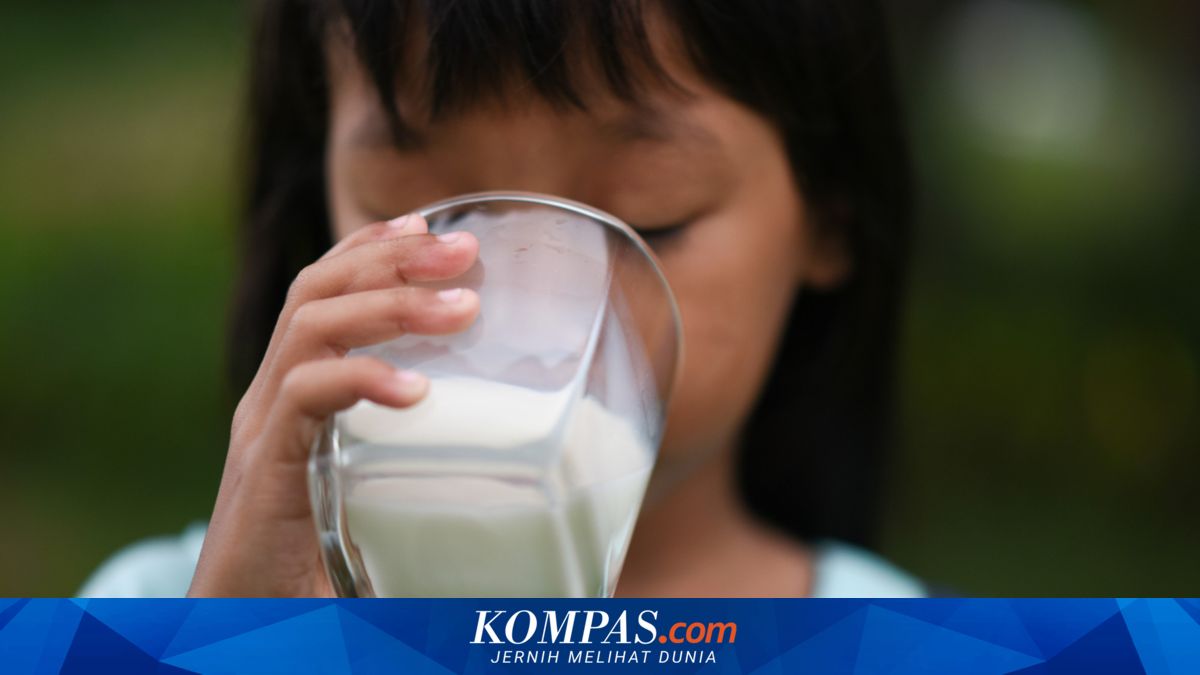
JAKARTA – Concerns over low weight gain in children frequently cause parental anxiety. On social media, the term “sutingkal” (high-calorie milk) remains popular amongst parents as a solution to boost children’s weight.
High-calorie milk falls within the category of Processed Foods for Special Medical Purposes (PKMK). Unlike standard infant formula, it possesses far higher energy density to meet the caloric requirements of children with delayed growth.
“High-calorie milk is a nutrient with higher calories than standard infant formula. Standard formula contains 0.7 calories per millilitre, whilst high-calorie milk must contain above 0.8 or even 1 calorie per millilitre,” explained Dr Ian Suryadi Suteja, Specialist Paediatrician, at a Health Corner event titled “Fighting Child Weight Gain: Right Nutrition, Thriving Growth” in Central Jakarta on Friday.
According to medical guidelines, three main conditions must be met for children to receive this intervention: weight gain stagnation for two consecutive months, stunting, or malnutrition.
Dr Ian explained that doctors conduct thorough evaluation before prescribing PKMK. If weight stagnation occurs for only one month, the underlying cause is typically investigated – for instance, whether the child has recently recovered from illness.
“We don’t immediately rush to use high-calorie milk. However, if we’ve already attempted intervention and educational approaches, and weight still hasn’t increased over two consecutive months, especially when the growth curve has declined, then it’s time to introduce PKMK,” Dr Ian stated.
Unsupervised use frequently results in intervention failure. Dr Ian recounted cases where parents purchased high-calorie milk independently, yet their children’s weight remained stagnant.
“The mixing method and preparation were incorrect, which is why the weight didn’t increase. This definitely has an impact, which is why it’s best to consult a doctor first,” he noted.
He emphasised that medical supervision is critical because high-calorie milk contains very high concentrations of protein, minerals, and vitamins that must be adjusted to the child’s physical condition. Without regular monitoring and after five months of unsupervised administration, a malnourished child had become obese.
“We should have stopped, but the parents didn’t follow up. Ultimately, the child became overweight, almost obese. Remember, normal weight is best. Being overweight isn’t good, but malnutrition isn’t good either,” Dr Ian said.
When administered correctly, high-calorie milk actually improves the child’s digestive tract structure. “With high-calorie milk administration, the child’s weight increases rapidly, stomach size and intestinal absorption improve. After nutritional improvement, the digestive system structurally improves. The child develops better appetite,” he explained.
With improved digestion, the child’s appetite is expected to remain stable even after terminating the milk therapy.