
Doctor explains the difference between stunting and being stunted in children
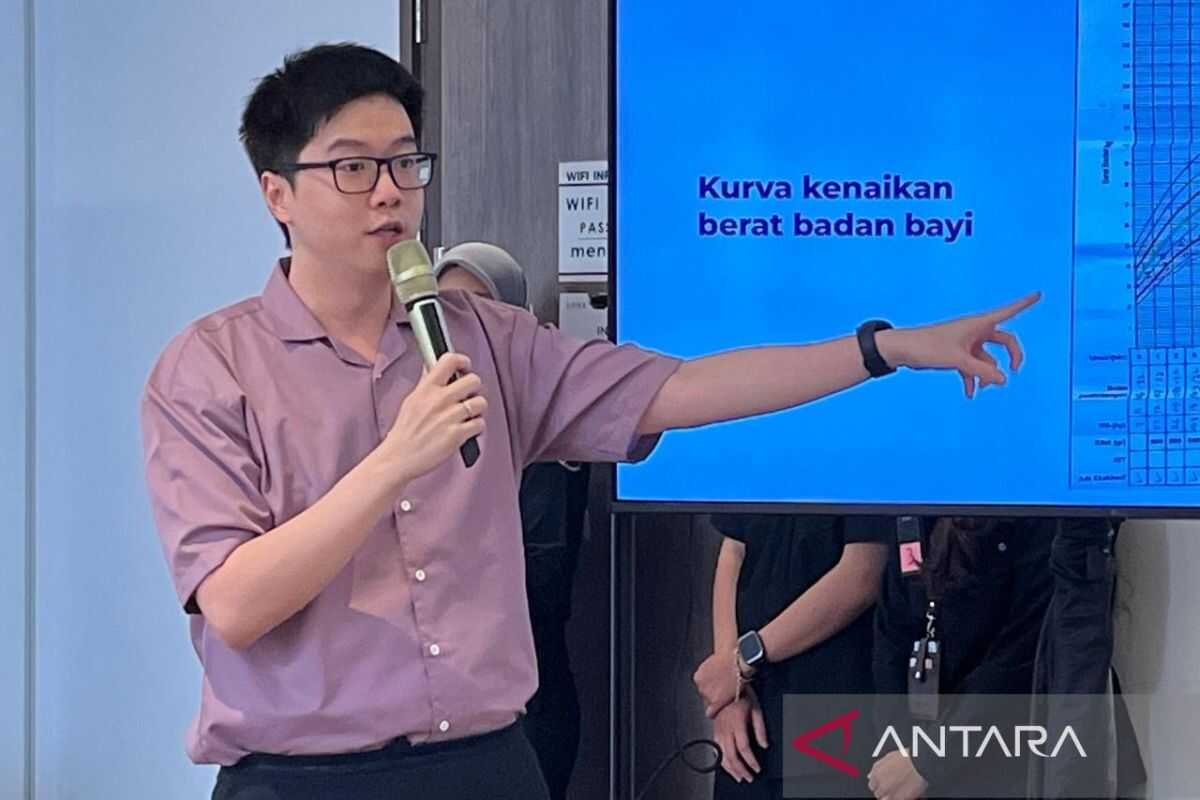
Jakarta — Dr. Ian Suryadi Suteja, M.Med Sc, Sp.A, a paediatric specialist, explained the difference between a child who experiences stunting and a child who is stunted or short in stature. In Jakarta during a health discussion on Friday, Dr. Ian said that stunting occurs due to chronic malnutrition, usually arising from insufficient nutritional intake or illness. Growth impairment caused by long-term malnutrition makes children who are stunted shorter in height than the average height of their peers. “Nutrition is not enough; it is not used to increase weight and height but rather is used for dealing with the disease mentioned earlier. So it relates to the nutrition that goes in and how the body utilises its energy,” he said. Meanwhile the condition of being stunted or short in stature, according to the Gadjah Mada University (UGM)-trained doctor, is not related to nutritional deficiency. “Stunted is perhaps related to genetics; if both parents are short, there may be a hormonal disorder, or there are certain syndromes that cause shortness, but that is not related to nutrition,” he explained. He stated that stunting in children remains a health problem in Indonesia to date. He reminded parents to actively monitor their child’s growth curve from birth in order to prevent stunting. “The way we address stunting is that we must monitor growth curves, which are important. Every month they should still visit a paediatrician up to one year, along with vaccinations, and check growth and development,” he explained.